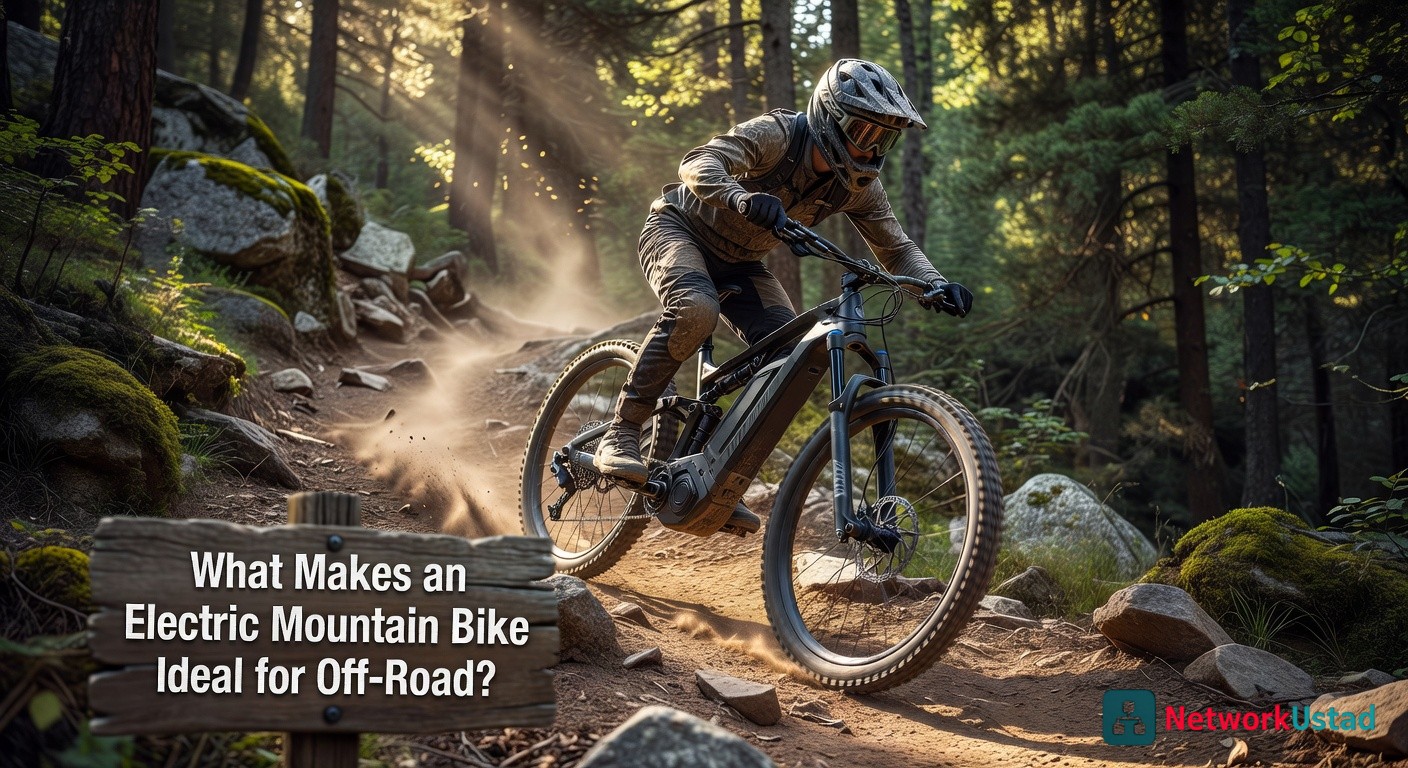
There’s something undeniably thrilling about charging down a rocky trail, navigating root-laden forest paths, or conquering steep mountain ascents. Off-road mountain biking pushes riders to their limits, and electric mountain bikes have transformed what’s possible on the trail. Over the past few years, e-MTBs have surged in popularity, attracting both seasoned riders seeking an extra edge and newcomers eager to explore terrain that once felt out of reach.
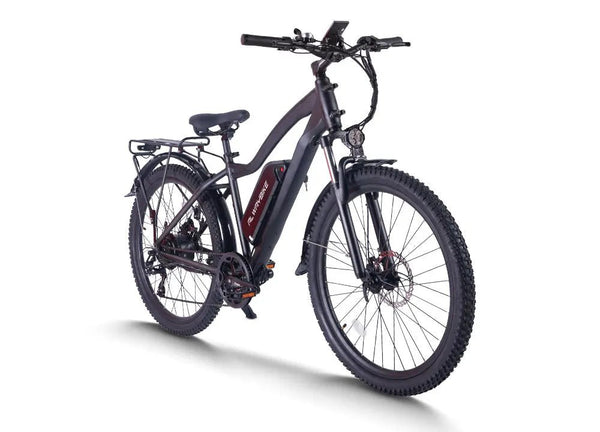
But not every electric bike is built for the demands of rugged off-road riding. The difference between a capable trail machine and an underpowered disappointment often comes down to a handful of critical features. High-torque motor technology determines whether you power through a steep climb or stall halfway up. Long-range batteries decide if you make it back before dark. Tire design influences grip on loose gravel and soft mud. And overall durability dictates how well the bike holds up after repeated punishment on rough ground.
This article breaks down each of these core elements to help mountain biking enthusiasts make informed decisions — whether you’re buying your first electric mountain bike or upgrading your current setup. We’ll also cover practical maintenance strategies to keep your e-MTB performing at its best, ride after ride.
Essential Features of an Ideal Electric Mountain Bike for Off-Road
Off-road electric mountain bikes occupy a different category entirely from their urban or commuter counterparts. Where a city e-bike prioritizes smooth pavement and lightweight convenience, a trail-ready e-MTB must withstand constant abuse — sharp rocks, sudden drops, waterlogged paths, and relentless vibration. That fundamental difference shapes every design decision, from the motor placement to the geometry of the frame itself.
At the core of any capable off-road e-MTB is a combination of four interconnected elements. High-torque motor technology gives riders the raw power needed to push through steep inclines and technical sections without losing momentum. Long-range batteries ensure that a single charge covers enough ground for a full day on the trail, not just a short loop. Fat-tire e-bikes bring a level of grip and stability that narrower tires simply cannot match on loose, uneven, or slippery surfaces. And underlying all of it is a frame and suspension system tough enough to absorb punishment while keeping the rider in control.
Frame and Suspension: The Backbone of Durability
Frame material directly affects how well a bike handles stress over time. Aluminum alloy remains the most common choice, offering a practical balance of strength, weight, and cost. Carbon fiber frames save significant weight and can be engineered for specific flex characteristics, though they come at a premium. On the suspension side, full-suspension designs — with both front fork and rear shock — absorb trail impacts more effectively, maintaining tire contact with the ground and reducing rider fatigue. Hardtail frames, which only have front suspension, are lighter and lower-maintenance, making them better suited to smoother dirt trails. For genuinely rough, technical terrain, full suspension is the stronger choice, as it dramatically improves traction and control when the ground beneath you is anything but predictable.
High-Torque Motor Technology: Powering Through Tough Terrain
When a trail pitches upward at a punishing angle or loose rocks scatter beneath your wheels, motor performance becomes the deciding factor between a clean line and a frustrating stall. High-torque motor technology delivers the immediate, forceful power output that off-road riding demands — not the gradual acceleration suited to flat city streets, but explosive response precisely when traction is most fragile.
The debate between mid-drive and hub-drive motors is central to any serious e-MTB conversation. Mid-drive motors, positioned at the bottom bracket near the bike’s center of gravity, work through the drivetrain and leverage the bike’s gearing system. This means they climb hills more efficiently, preserve battery charge on extended rides, and keep weight centered for better handling on technical sections. Hub-drive motors, mounted in the wheel, are mechanically simpler and generally less expensive, but they add rotational weight to the wheel itself, which noticeably affects handling on unpredictable surfaces. For genuine off-road use, mid-drive systems hold a clear advantage.
Torque ratings, measured in Newton-meters (Nm), indicate how much rotational force a motor generates. Trail riding typically demands at least 70–80 Nm to handle steep climbs without excessive battery drain. Some performance-oriented motors push beyond 90 Nm, offering a more aggressive power delivery suited to technical enduro-style terrain. Brands like Cemotobike have built their off-road e-MTB lineup around this principle, prioritizing sustained torque output over peak power figures. When evaluating motor specifications, look beyond peak power and focus on sustained torque output — a motor that maintains consistent force under load is far more valuable on a long climb than one that peaks briefly and fades. Also consider whether the motor’s cadence sensor or torque sensor responds to your actual pedaling input, as torque-sensing systems provide more natural, trail-responsive assistance.
Long-Range Batteries: Ensuring Extended Adventure Capability
Running out of power mid-trail is more than inconvenient — it turns an enjoyable ride into a grueling slog back to the trailhead. Long-range batteries are what separate a capable off-road e-MTB from one that limits your ambitions to short loops. Battery capacity is measured in watt-hours (Wh), and for serious trail riding, a minimum of 500Wh is a reasonable baseline. Larger packs in the 625–750Wh range offer the kind of range that supports full-day adventures across varied terrain without the anxiety of watching the charge indicator drop.
Where the battery sits on the frame matters as much as how large it is. Integrated downtube placement keeps weight low and centered, which preserves the bike’s handling balance — a critical factor when navigating technical descents or tight switchbacks. Externally mounted batteries can shift the center of gravity in ways that feel noticeably awkward at speed. Beyond placement, real-world range depends heavily on terrain steepness, rider weight, assist level, and temperature. Cold weather reduces battery efficiency considerably, sometimes cutting effective range by 20–30% compared to mild conditions.
To maximize battery lifespan and daily range, follow a few consistent habits. Avoid fully depleting the battery on every ride — keeping charge levels between 20% and 80% during regular use reduces long-term cell degradation. After a muddy or wet ride, let the battery dry before charging. For extended storage, maintain a charge around 50–60% rather than leaving it fully charged or completely empty. These practices, combined with using the appropriate assist level for the terrain rather than defaulting to maximum power, ensure your battery remains reliable across hundreds of charge cycles.
Fat-Tire Ebikes: Enhanced Stability and Traction on Rough Ground
Tire choice is one of the most immediately noticeable factors separating a capable off-road e-MTB from a bike that struggles the moment the ground turns loose or unpredictable. Fat-tire ebikes use significantly wider tires — typically ranging from 3.8 to 5 inches — that create a larger contact patch with the ground. That expanded footprint distributes the bike’s weight more evenly, allowing the tires to float over soft surfaces like sand, mud, and snow rather than sinking and losing momentum. On rocky terrain, the additional volume absorbs small impacts and provides a buffer that narrower tires simply cannot replicate.
Tread pattern plays an equally important role. Widely spaced, aggressive knobs channel mud away from the contact zone and bite into loose soil for forward traction, while a tighter center tread reduces rolling resistance on firmer ground. Riders who frequent varied terrain often benefit from a mixed-tread design that balances grip and efficiency. Tire pressure is another adjustment worth mastering — running lower pressure, sometimes as low as 6–10 PSI on fat tires, increases the contact area further and dramatically improves grip on technical surfaces. Higher pressure firms up the ride for faster-rolling hardpack trails.
When combined with a high-torque motor and a well-tuned suspension system, fat tires complete the traction equation. The motor delivers power, the suspension absorbs impact, and the tires translate both into reliable grip — giving riders the confidence to commit to technical lines without second-guessing every corner.
Maintenance and Servicing: Keeping Your Electric Mountain Bike Trail-Ready
An electric mountain bike subjected to regular off-road riding accumulates dirt, moisture, and mechanical wear faster than almost any other type of bicycle. Without consistent maintenance, small issues compound into costly failures — a neglected brake pad becomes a dangerous stopping problem, and an unchecked suspension seal becomes a full rebuild. Staying ahead of that curve requires both a reliable post-ride routine and a clear understanding of when professional help is necessary.
After every muddy or wet ride, rinse the frame, drivetrain, and suspension components with low-pressure water — never a high-pressure jet, which forces water into bearings and electrical connections. Dry the bike thoroughly, paying particular attention to the battery contacts and motor housing. Inspect brake pads for wear and check rotor alignment, since off-road riding accelerates pad degradation significantly. Squeeze each brake lever to confirm firm, consistent feel; any sponginess in hydraulic systems warrants a bleed. Check tire pressure before each ride and look for embedded debris or sidewall cuts that might cause a failure mid-trail. Bounce the front and rear suspension to confirm smooth, controlled travel without any clunking or stiffness that signals worn seals or low oil.
Motor and electrical components should be left to qualified technicians. Attempting to open a sealed motor housing without proper tools risks voiding warranties and damaging waterproofing. Schedule a professional service annually, or more frequently if you ride in harsh conditions regularly. For storage, keep the bike in a dry, temperature-stable environment away from direct sunlight, and maintain battery charge at 50–60%.
Routine Checks and DIY Solutions
Several maintenance tasks are straightforward enough to handle between rides. Lubricate the chain after every wet ride using a wet-condition lubricant, wiping away excess to prevent dirt accumulation. Check all bolts — stem, handlebar, saddle clamp, and rotor — with a torque wrench to manufacturer specifications, as trail vibration loosens fasteners gradually. Connect your e-MTB to its companion app or display unit periodically to check for available firmware updates, which manufacturers release to improve motor response and battery management; Cemotobike, for instance, provides over-the-air updates through its companion app that can refine both assist curves and battery efficiency over time. When handling battery terminals or display connectors, avoid metal tools that could short contacts, and always power the system off before inspecting electrical connections.
Building the Ultimate Off-Road E-MTB Setup
Choosing the right electric mountain bike for off-road riding comes down to understanding how a handful of critical features work together. High-torque motor technology gives you the climbing power and responsive assistance that technical terrain demands. Long-range batteries ensure your ambitions aren’t cut short by a depleted charge halfway through a ride. Fat-tire design delivers the grip, stability, and surface adaptability that narrower tires can’t match when conditions turn loose or unpredictable. And a durable frame paired with capable suspension ties everything together, keeping you in control when the trail gets rough.
For mountain biking enthusiasts, these aren’t optional upgrades — they’re the foundation of a bike that actually performs when it matters. Cutting corners on any one of these elements will show up eventually, whether it’s a motor that bogs down on steep climbs, a battery that leaves you stranded, or tires that lose confidence on wet roots.
Equally important is committing to regular maintenance. Even the most capable e-MTB degrades quickly without consistent care. Clean it after every demanding ride, inspect the components that take the most punishment, and schedule professional servicing before small issues become serious ones. Treat your bike well, and it will reward you with reliable performance across hundreds of rides. Prioritize these elements from the start, and off-road riding becomes exactly what it should be — an adventure without limits.