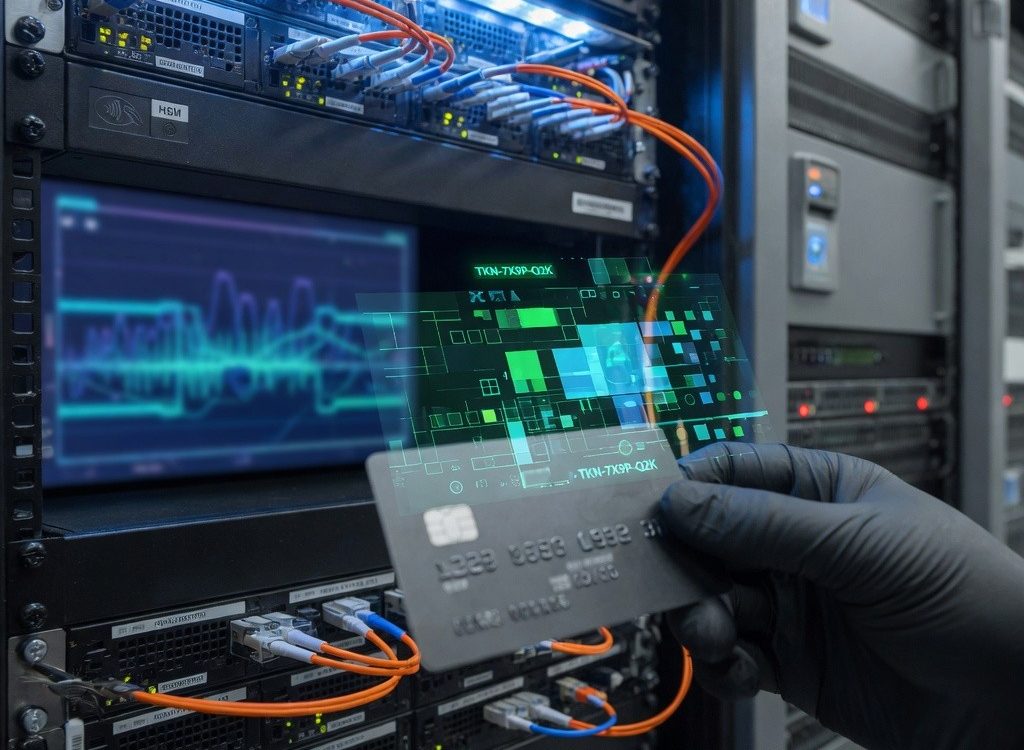
As a consumer or business owner handling online transactions, you rely on payment processors to keep your sensitive financial information secure every time you swipe a card, enter details online, or process a payment. These systems handle vast amounts of data daily, employing multiple layers of protection to prevent unauthorized access and breaches.
When you choose specialized services, such as an affordable credit repair merchant account, you benefit from tailored solutions designed for industries with unique compliance needs. Processors ensure that even in higher-risk sectors, your data remains safeguarded through advanced protocols.
Encryption: The First Line of Defense
You expect your card details to travel safely across networks, and encryption makes that possible. Payment processors use strong algorithms such as AES-256 to encrypt data at the point of entry. This means that even if intercepted during transmission, the information appears as unreadable code. Point-to-point encryption (P2PE) further secures the journey from your customer’s device straight to the processor’s secure environment, minimizing exposure at every step.
As you run your business, this technology reduces your liability. Processors handle the heavy lifting, ensuring compliance without requiring you to store raw data yourself.
Tokenization: Replacing Sensitive Information
Tokenization adds another reliable layer. Instead of storing actual card numbers, processors replace them with unique, nonsensitive tokens. You can process recurring payments or refunds using these tokens, but they hold no value to thieves. The original data stays locked in a highly secure vault managed by the processor.
This approach significantly shrinks your compliance burden. When you integrate with modern processors, you focus on your operations while they manage the complex security infrastructure.
PCI DSS Compliance Standards
Make sure you understand industry-wide rules like the Payment Card Industry Data Security Standard (PCI DSS). Reputable processors adhere strictly to these requirements, which cover everything from network security and access controls to regular vulnerability testing and policy maintenance. For detailed guidelines, refer to resources from the PCI Security Standards Council.
By partnering with compliant processors, you gain peace of mind knowing independent auditors verify their systems regularly. This framework helps protect you from fines and reputational damage following potential incidents.
Advanced Monitoring and Fraud Detection
You benefit from real-time monitoring tools that flag suspicious activities instantly. Machine learning algorithms analyze transaction patterns, detecting anomalies like unusual locations or high-velocity purchases. Processors also implement multi-factor authentication and biometric checks where appropriate, adding barriers against unauthorized access.
For deeper insights into broader cybersecurity practices, explore frameworks from the National Institute of Standards and Technology. These complement payment-specific measures, creating complete protection.
Secure Data Storage and Access Controls
Processors limit data storage through strict policies. You rarely need to keep full card details yourself; instead, they use segmented networks and role-based access so only authorized personnel reach sensitive areas. Regular penetration testing and security audits ensure vulnerabilities are addressed promptly.
Your Role in Maintaining Security
While processors provide effective tools, you play an important part by selecting reputable partners, keeping software updated, and educating your team on best practices. Strong passwords, employee training, and prompt incident response plans strengthen the overall ecosystem.
The Future of Payment Security
Emerging technologies like quantum-resistant cryptography and enhanced tokenization promise even stronger defenses. As threats evolve, processors continuously invest in innovation to stay ahead.
payment processors create a fortified environment through encryption, tokenization, rigorous standards, and proactive monitoring. By understanding these mechanisms, you make informed choices that protect your financial data effectively while enabling smooth transactions. Whether managing everyday operations or specialized accounts, these safeguards allow you to operate confidently in the digital economy.