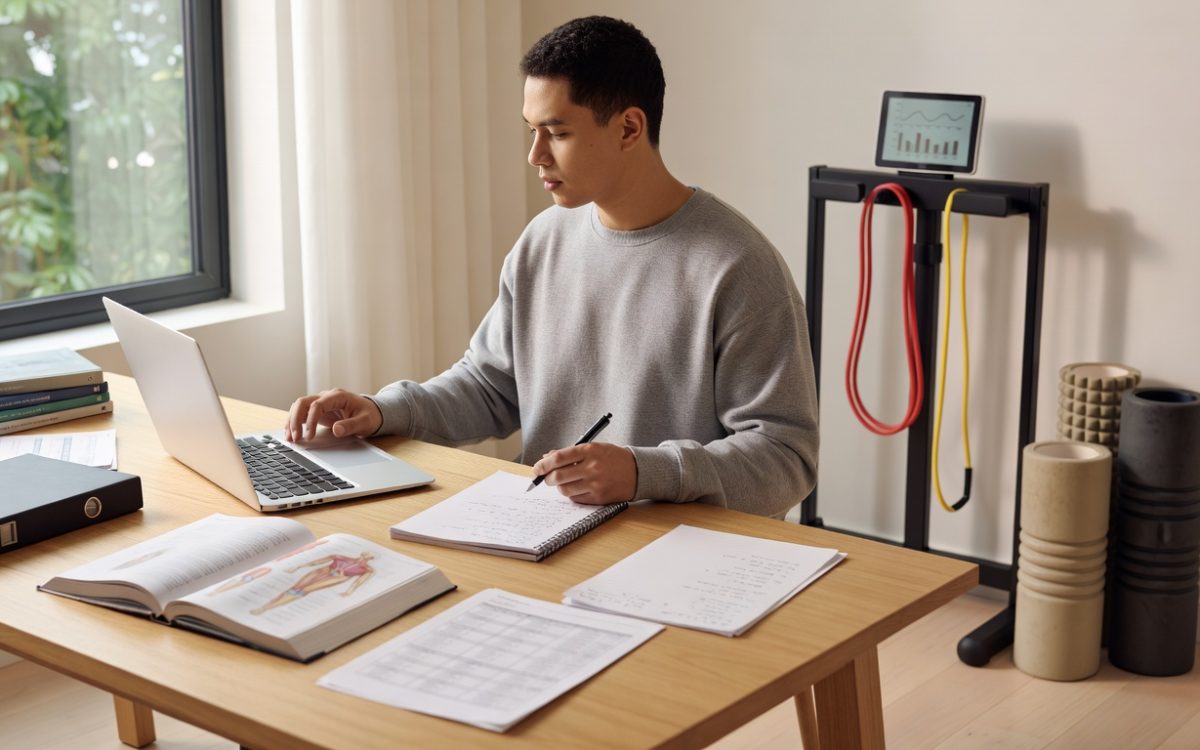
Picture this: it’s six weeks after knee surgery, and the physical therapy clinic feels miles away. Every step hurts, the prescribed exercises seem vague, and the hardest part isn’t the pain — it’s not knowing whether anything you’re doing is actually working. For millions of people navigating injury recovery at home, this uncertainty is the real obstacle.
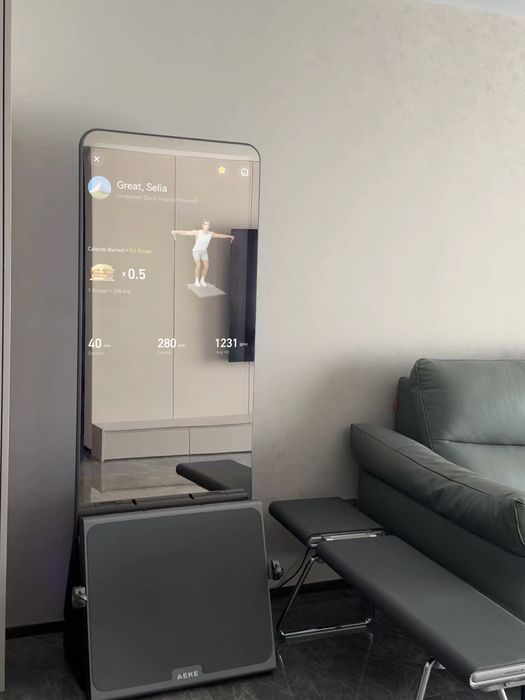
An indoor gym home changes that equation entirely. Rather than improvising with a yoga mat and a few random stretches, a purposefully built home rehabilitation space gives you control over your recovery environment, your equipment, and your outcomes. The challenge, however, lies in striking the right balance: pushing hard enough to rebuild strength without aggravating sensitive joints, and staying motivated when progress feels invisible.
This article is your practical roadmap. Whether you’re recovering from a knee replacement, rotator cuff repair, or a chronic joint condition, you’ll learn how to select the right equipment that protects vulnerable joints, structure a training plan that drives real strength recovery, and use simple tracking methods to turn vague effort into measurable results. Safe, consistent, and goal-driven rehabilitation is entirely achievable — right from your own home.
Understanding Safe Rehabilitation Training and Joint Concerns
Safe rehabilitation training at home isn’t simply about avoiding pain — it’s about creating conditions where your body can rebuild without setback. In a clinical setting, a therapist monitors your form, adjusts resistance, and catches compensatory movements before they become habits. At home, you become your own safeguard, which means understanding the principles behind safe movement matters as much as the exercises themselves.
Joint concerns vary significantly depending on your injury. Knee recoveries demand attention to alignment and load distribution — even a slightly collapsed knee during a squat can strain healing ligaments. Shoulder repairs require strict control of range of motion, particularly in overhead positions where the rotator cuff is most vulnerable. Hip and lower back conditions often involve managing both mobility and stability simultaneously, since weakness in one area transfers stress to another. Recognizing which joints need protection shapes every decision you make in your home gym, from equipment selection to exercise sequencing.
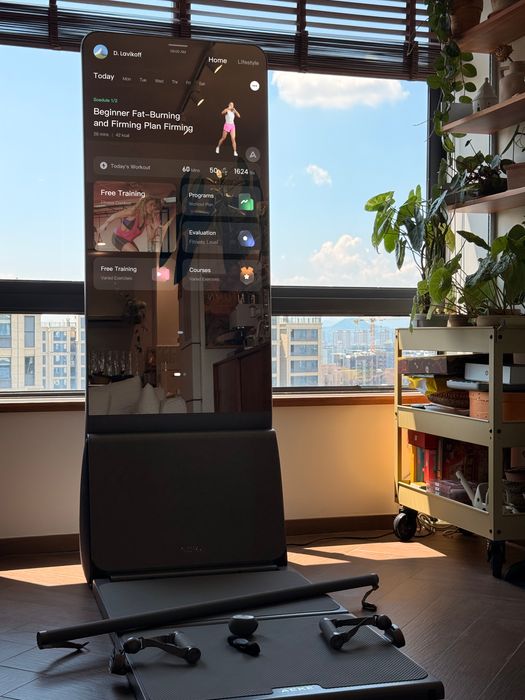
The cornerstone of safe home rehabilitation is low-impact, controlled movement. This means prioritizing exercises where your joints move through a deliberate, manageable range rather than relying on momentum or gravity. Seated resistance work, supported bodyweight movements, and guided cable exercises all fit this model. Equally important is gradual progression — increasing difficulty only when current exercises feel stable and pain-free, not simply when a calendar says it’s time.
Proper form cannot be negotiated away for the sake of heavier weight or more repetitions. A mirror, a phone camera, or even a video call with your physical therapist can serve as your form-check system at home. When movement quality drops, that’s the signal to reduce load, not push through. This discipline, more than any single piece of equipment, is what makes home rehabilitation genuinely effective.
Selecting Home Exercise Equipment for Strength Recovery and Safety
Choosing the right equipment for a home rehabilitation gym isn’t about buying the most expensive gear — it’s about matching tools to your specific recovery needs. Three criteria should drive every purchase decision: adjustability, stability, and low-impact design. Adjustable equipment grows with your recovery, letting you increase resistance incrementally rather than jumping between fixed weights. Stability matters because wobbly or poorly designed equipment forces your injured joints to compensate, creating exactly the kind of uncontrolled stress you’re trying to avoid. Low-impact design means prioritizing equipment that supports smooth, guided movement over anything that relies on momentum or ballistic force.
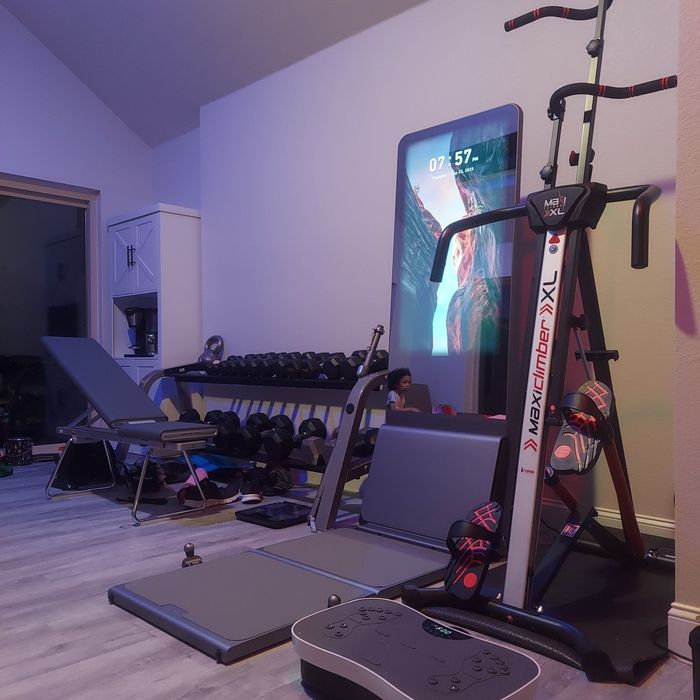
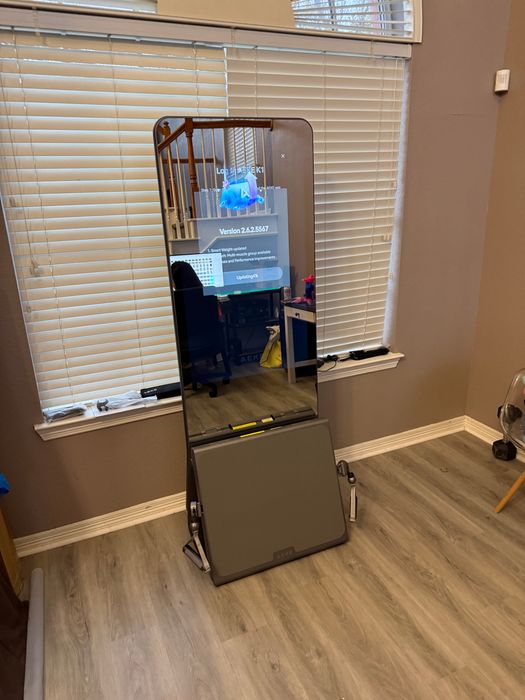
Budget and space are real constraints worth planning around honestly. A focused selection of versatile, multi-use equipment will serve you better than a crowded room of single-purpose machines. Resistance bands, a stability ball, an adjustable dumbbell set, and a sturdy mat can occupy a corner of a bedroom and cover the majority of rehabilitation needs. If space and budget allow, a compact cable machine adds significant value for controlled, joint-friendly pulling and pushing movements — brands like AEKE have developed compact cable systems specifically designed with small-space users in mind, making this option more accessible than it once was. Prioritize quality over quantity — one well-built, stable piece of equipment outperforms three flimsy alternatives every time.
Low-Impact Equipment for Sensitive Joints
Resistance bands are arguably the most rehabilitation-friendly tool available. They provide variable resistance that increases gradually through a movement, reducing peak joint stress compared to free weights. Stability balls support seated and supine exercises that require core engagement without loading the spine or hips excessively. Foam rollers serve double duty — they release muscle tightness that builds around injured joints and improve circulation before and after training sessions. Together, these three form the foundation of any joint-sensitive home gym, offering enough variety to target the entire body while keeping stress on vulnerable structures well within safe limits.
Strength Recovery Tools: From Basic to Advanced
Adjustable dumbbells are the workhorse of strength recovery. Starting at very low weights and incrementing in small steps allows you to apply the progressive overload principle without overwhelming healing tissue. For those further along in recovery, a compact cable machine introduces functional pulling and pushing patterns — rows, pulldowns, and cable curls — that closely mimic real-world movement while keeping joint angles controlled. AEKE’s functional trainer models, for instance, are frequently noted for their smooth pulley action and stable footprint, qualities that matter considerably when joint protection is the priority. Bodyweight stations, particularly those with dip bars and suspension straps, add versatility for upper body and core work. The key with all of these tools is using them within a controlled range of motion first, building confidence and tissue tolerance before increasing load or complexity.
Implementing a Rehabilitation Training Plan for Measurable Results
A rehabilitation training plan only works when it’s built around where you actually are in recovery, not where you wish you were. The most effective home plans divide recovery into three phases: an early phase focused on pain-free movement and restoring basic range of motion, a middle phase introducing light resistance and functional patterns, and a later phase emphasizing progressive strength loading and real-world movement integration. Moving between phases should be earned through consistent, pain-free performance — not rushed by impatience.
A sample weekly structure for the early phase might look like this: three sessions per week, each lasting 20 to 30 minutes, alternating between upper body and lower body focus with one full-body mobility session. Each session opens with a five-minute warm-up — gentle joint circles, light band pull-aparts, or seated marching — to increase circulation and prepare tissue for load. The core workout uses resistance bands or bodyweight movements kept within a comfortable range, with two to three sets of 10 to 15 repetitions per exercise. Every session closes with a five-minute cool-down of static stretching and diaphragmatic breathing, which reduces post-exercise inflammation and promotes recovery.
As you transition into the middle and later phases, introduce adjustable dumbbells and cable-based movements while keeping the same warm-up and cool-down structure. Increase session frequency to four days per week and begin incorporating compound movements like supported squats, seated rows, and step-ups. The guiding rule throughout every phase: if an exercise produces sharp or lingering pain beyond mild muscle fatigue, reduce the load or substitute a gentler variation immediately.
Tracking Progress: From Baseline to Goals
Measurable results require a starting point. On day one, record your baseline: pain level on a 1 to 10 scale, range of motion in the affected joint using a simple goniometer app on your phone, and the resistance level you can handle for key exercises with clean form. These three metrics become your benchmarks. A simple notebook or a free app like Google Sheets works perfectly — the tool matters far less than the consistency of recording. Review your numbers every two weeks rather than daily, since rehabilitation progress is best measured across weeks, not days. When your pain score drops, your range of motion increases, or you comfortably handle heavier resistance, that’s objective evidence your plan is working — and that evidence is what keeps you going when effort feels invisible.
Ensuring Long-Term Success and Overcoming Common Challenges
Even the most well-designed rehabilitation plan hits rough patches. Motivation tends to dip hardest around weeks three and four, when the initial urgency fades but full recovery still feels distant. The most effective antidote isn’t willpower — it’s structure. Scheduling your sessions at a fixed time, treating them with the same commitment as a medical appointment, removes the daily negotiation that drains motivation before you even start. Pairing a session with something enjoyable, like a favorite podcast or playlist reserved exclusively for training, creates a small but consistent reward that keeps you showing up.
Plateaus are equally common and equally discouraging. When progress stalls, the instinct is often to push harder — more weight, more repetitions, more frequency. In rehabilitation, that instinct usually backfires. A plateau more often signals that your body needs variation rather than volume. Swap one exercise for a slightly different movement pattern, adjust your grip, or change the tempo of your repetitions. These small modifications stimulate adaptation without overloading healing tissue.
Knowing when to modify or seek professional guidance is a critical skill. Sharp pain, swelling that doesn’t resolve within 24 hours after a session, or a sudden loss of range of motion are clear signals to pause and consult your physical therapist or physician before continuing. These aren’t setbacks — they’re information. Catching a problem early prevents weeks of lost progress.
Perhaps the most underrated strategy for long-term success is celebrating incremental wins deliberately. Lifted two more pounds than last week? Noted. Completed a session with zero pain? That matters. Rehabilitation is measured in small, compounding steps, and acknowledging each one builds the psychological momentum that sustains you through the full arc of recovery. Patience, paired with consistent action and honest self-assessment, is what transforms a home gym from a temporary fix into a genuine recovery tool.
Building Your Recovery, One Session at a Time
Recovering from injury is rarely linear, but it doesn’t have to be directionless. An indoor gym home gives you something that a clinic visit once or twice a week simply cannot: daily access to a controlled, purposeful environment where every session moves you forward. When your equipment is matched to your joint needs, your training plan reflects where you genuinely are in recovery, and your progress is tracked in real numbers, rehabilitation stops feeling like guesswork and starts feeling like a process you own.
The right resistance band or adjustable dumbbell set won’t replace your physical therapist, but it will extend their work into every day of your week. Addressing joint concerns through low-impact, guided movement — and building strength incrementally through honest progression — is how lasting recovery actually happens. And when you can look back at two months of recorded data and see your pain score drop from a seven to a two, or your range of motion return to near-normal, that’s not just a number. That’s proof.
Start small and start deliberately. Clear a corner, choose two or three foundational pieces of equipment, record your baseline today, and complete your first session this week. You don’t need a perfect setup to begin — you need a safe one. Build from there, trust the process, and let measurable results do what motivation alone never can: keep you going all the way through to full recovery.