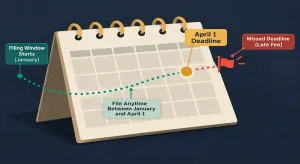
Motorcycle crashes cause serious injuries, costly medical bills, and tight legal deadlines for compensation claims. Every state sets a strict filing limit, and missing that deadline removes any chance of financial recovery. This legal deadline, known as the statute of limitations, differs based on where the accident happened.
A qualified motorcycle accident lawyer knows exactly how these deadlines function and why they matter for every claim. Missing this cutoff means losing the right to sue forever, regardless of how severe the harm. The following sections break down key deadlines, exceptions, and why acting quickly protects any future legal options.
Most States Allow Two Years for Claims
Most jurisdictions give injured riders two years from the crash date to file a lawsuit. This deadline begins on the collision date, not when injuries appear later. Victims who delay too long may see their cases dismissed permanently without another opportunity.
Some states, including California and Florida, limit this period to only two years for motorcycle accidents. Other locations, such as Maine and North Dakota, allow up to six years for certain injury claims. Checking local laws immediately after an accident remains an important step for every rider.
Discovery Rule Changes the Start Date
Some injuries appear weeks or months after a motorcycle crash. Internal organ damage, brain injuries, or internal bleeding may remain hidden during early medical evaluations. The discovery rule allows the legal deadline to begin once a victim becomes aware of the injury.
Courts usually require proof that the condition could not have been discovered earlier through proper treatment. This exception mainly applies to hidden injuries or medical misdiagnosis cases after collisions. Riders should never assume this rule applies automatically without legal guidance first.
Government Vehicles Bring Shorter Deadlines
Crashes involving police cars, mail trucks, or city vehicles create much stricter filing deadlines immediately. Many states require formal notice within ninety days instead of the usual two-year limit for private accidents. Claims against government entities also involve extra paperwork beyond a standard injury lawsuit.
Victims must identify the correct department, complete required forms, and prove timely document delivery. Missing these short deadlines can permanently block any chance of financial compensation. Separate rules may apply to federal vehicles, including military trucks or postal service vans on public roads.
Minors and Disability Extend the Clock
Children injured in motorcycle accidents receive added protection through tolling provisions that pause legal deadlines. The statute usually begins once the child reaches eighteen years of age. Adults declared mentally incompetent after crash-related brain injuries may also qualify for this legal protection.
Physical disabilities alone usually do not stop the deadline without a court ruling on mental capacity. Once the disability ends or the child becomes an adult, the standard filing period starts immediately. Families caring for injured riders should remember that this legal pause does not continue forever.
Professional Help Prevents Costly Mistakes
Attempting to calculate deadlines without legal training leads many riders to lose valid claims permanently. A motorcycle accident lawyer reviews police reports, medical records, and insurance correspondence to establish accurate filing dates. Legal counsel also identifies which exceptions might apply based on specific injuries or accident circumstances.
Professionals handle all court paperwork correctly, preventing rejections due to formatting errors or missing signatures. Attorneys know which government departments require special notices and how to serve them properly. Hiring representation early gives victims the best chance of preserving their right to sue.
Time works against injured riders who delay legal action after serious motorcycle collisions. Missing a filing deadline removes any chance of holding negligent drivers responsible for damages. Knowing local legal deadlines and possible exceptions helps protect important rights after an accident. Speaking with qualified legal counsel quickly after a crash can preserve every available option.