New System Manages Digital Alert Overload
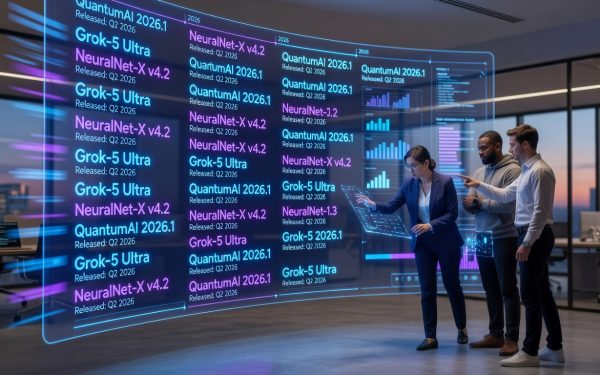
A new approach to managing the constant stream of digital alerts, often referred to as the “alert firehose,” is gaining traction among IT professionals and cybersecurity experts. This development focuses on intelligent filtering and prioritization mechanisms designed to reduce alert fatigue and improve response times for critical incidents.
The challenge of alert overload has grown significantly with the increasing complexity of IT infrastructures and the proliferation of monitoring tools. Security operations centers (SOCs) and network administrators frequently face hundreds or even thousands of alerts daily, many of which are false positives or low-priority notifications, obscuring genuine threats.
Addressing Alert Fatigue
Organizations have long struggled with the sheer volume of notifications generated by various systems, from network performance monitors to intrusion detection systems. This constant barrage can lead to alert fatigue, where operators become desensitized to warnings, potentially missing critical events. Reports from industry analysts consistently highlight alert fatigue as a major contributing factor to delayed incident response and increased security risks.
Recent advancements in machine learning and artificial intelligence are central to the new strategies. These technologies are being applied to analyze alert patterns, correlate events from disparate sources, and assign risk scores, allowing human operators to focus on the most relevant information. For instance, a system might learn to distinguish between routine system maintenance notifications and indicators of a genuine cyberattack.
Technology and Implementation
Several companies are now offering platforms that integrate these intelligent filtering capabilities. These systems typically ingest data from existing monitoring tools, apply algorithms to contextualize and prioritize alerts, and then present a refined, actionable view to human analysts. This shift aims to transform the reactive process of sifting through alerts into a proactive one where anomalies are identified and presented with greater clarity.
One such system, Sentinel AI, has been noted for its ability to significantly reduce the number of alerts requiring human review. “The goal is not to eliminate alerts entirely, but to ensure that every alert an analyst sees is meaningful and requires their attention,” stated Dr. Lena Khan, a lead researcher in cybersecurity analytics at a prominent tech firm. “By doing so, we’re seeing faster threat detection and more efficient resource allocation.”
The implementation of such systems often involves an initial training phase where the AI learns from historical alert data and human feedback. This iterative process allows the system to adapt to an organization’s specific environment and threat landscape. Organizations are also re-evaluating their alert policies and configurations to complement these new technologies, ensuring that only necessary data feeds into the intelligent filters.
Impact on Cybersecurity Operations
The move towards smarter alert management is expected to have a substantial impact on cybersecurity operations. By reducing the noise, security teams can decrease their mean time to detect (MTTD) and mean time to respond (MTTR) to actual threats. This efficiency gain can translate into stronger security postures and reduced operational costs.
The ongoing development in this area also includes integrating threat intelligence feeds and behavioral analytics to further refine alert prioritization. As systems become more sophisticated, they are expected to offer predictive capabilities, identifying potential issues before they escalate into full-blown incidents. This evolution marks a significant step in managing the ever-growing volume of digital information and securing complex digital environments.