The way we create video content is changing fast. Not long ago, producing a professional video meant booking a studio, hiring talent, and spending days in post-production. Today, AI digital human avatars are making that entire process obsolete — and the results are often indistinguishable from the real thing.
An AI digital human avatar is a photorealistic virtual presenter generated entirely by artificial intelligence. It can speak, gesture, and deliver your message with the same presence as a human on camera — without the scheduling conflicts, retakes, or production costs. Whether you’re a solo creator, a marketing team, or a global enterprise, this technology is reshaping how video content gets made.
This guide walks you through everything you need to know: what AI digital human avatars are, why they’re gaining traction across industries, how to create one from scratch, and where they deliver the most value. By the end, you’ll have a clear picture of how to put this technology to work for your own projects.
What Is an AI Digital Human Avatar?
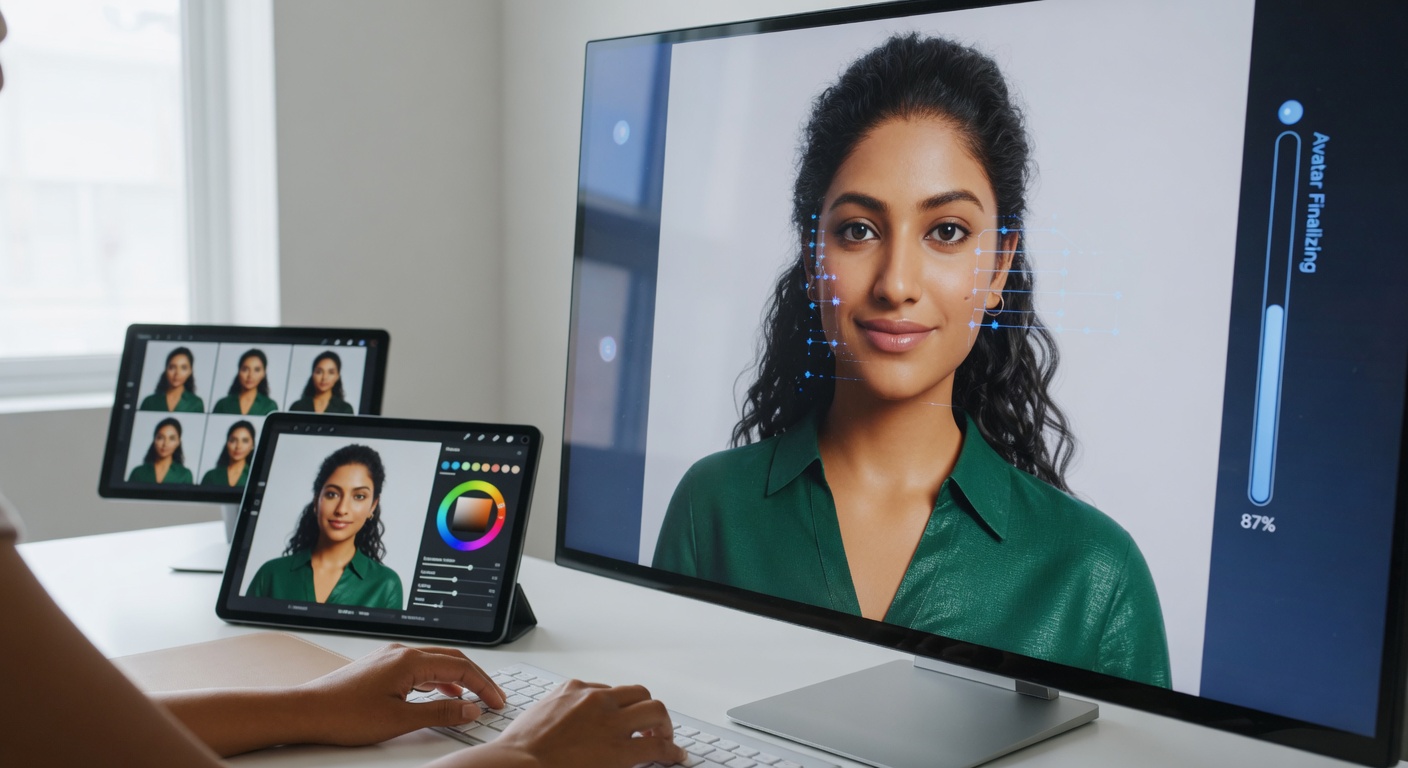
An AI digital human avatar is a computer-generated human figure that looks, moves, and speaks like a real person. Unlike animated characters or cartoons, these avatars are built from deep learning models trained on real human footage, which gives them a level of realism that feels natural on screen. They can be customized with different appearances, voices, languages, and expressions to match virtually any use case.
The technology behind these avatars combines several AI disciplines: generative video models, speech synthesis, lip-sync algorithms, and facial animation. When you input a script, the avatar reads it aloud with synchronized mouth movements, natural head turns, and subtle body language — all rendered automatically without any manual animation work.

Key Features That Define Modern AI Avatars
Modern AI digital human avatars go well beyond basic talking-head videos. The most capable platforms offer photorealistic skin texture and lighting, multi-language voice support, emotion and tone variation, and the ability to clone a real person’s likeness with their consent. Some systems also support custom backgrounds, branded overlays, and direct integration with video editing workflows. The result is a production-ready video asset that requires no camera, no crew, and no studio time.
Why Creators and Businesses Are Switching to AI Avatars
The shift toward AI digital human avatars isn’t just about novelty. It’s driven by real, measurable advantages that traditional video production simply can’t match at scale. Once you understand the economics and logistics, the appeal becomes obvious.
Cost and Time Savings
A single professionally produced video can cost thousands of dollars when you factor in talent fees, studio rental, equipment, and editing. AI avatars eliminate most of those line items. You write a script, select or build your avatar, and generate the video — often in under an hour. For teams that produce high volumes of content, such as onboarding videos, product updates, or localized marketing materials, the savings compound quickly. A project that once required a week of production can be turned around in an afternoon.
Consistency and Scalability
Human presenters have good days and bad days. Lighting changes, energy levels fluctuate, and re-recording a single line means scheduling another session. AI avatars deliver the same performance every time. You can update a script, regenerate the video, and have a revised version ready in minutes. This consistency is especially valuable for brands that need to maintain a uniform look and tone across dozens or hundreds of videos. Scaling from ten videos a month to a thousand doesn’t require hiring more people — it just requires more prompts.
How to Create Your AI Digital Human Avatar Step by Step
Creating an AI digital human avatar is more straightforward than most people expect. The process has been streamlined significantly over the past year, and most platforms guide you through each stage with minimal technical knowledge required.
Step One: Choose Your Avatar Style
Most platforms offer a library of pre-built avatars representing different ages, ethnicities, genders, and visual styles. Browse the available options and select one that fits your brand or content tone. Some platforms also allow you to create a custom avatar from a photo or video of yourself, which is useful if you want a digital version of your own likeness for consistent personal branding. The right avatar style sets the foundation for everything that follows, so take time to evaluate how different options align with your audience’s expectations.
Step Two: Write and Input Your Script
Once your avatar is selected, write the script you want it to deliver. Keep sentences clear and conversational — the same principles that apply to any spoken content. Paste the script into the platform’s text field. Most systems support multiple languages and allow you to adjust speaking pace, tone, and emphasis through simple controls or markup tags. Shorter paragraphs and natural pauses tend to produce better results, since the AI handles pacing more gracefully when the text mirrors how people actually speak.
Step Three: Customize Voice and Appearance
Select a voice that matches your avatar’s visual style and your content’s tone. Many platforms offer dozens of voice options across multiple languages and accents. You can also adjust the background, add branded elements, or choose a specific camera angle. Kling AI provides fine-grained controls over avatar expression and movement, giving creators more flexibility to match the video’s emotional register to the content — whether that’s a calm instructional tone or an energetic product pitch.
Step Four: Generate and Export
With your script, avatar, and settings in place, initiate the generation process. Depending on the platform and video length, rendering typically takes a few minutes. Once complete, preview the video to check lip sync, pacing, and overall quality. If adjustments are needed, edit the script or settings and regenerate. When satisfied, export the video in your preferred format and resolution for use across your channels. Most platforms support standard formats compatible with social media, presentation tools, and learning management systems.
Best Use Cases for AI Digital Human Avatars
AI digital human avatars are versatile enough to serve a wide range of industries and content types. Understanding where they perform best helps you prioritize where to deploy them first and build a workflow that delivers consistent results.
Marketing and Advertising
Product explainer videos, promotional campaigns, and personalized outreach are natural fits for AI avatars. Marketers can produce localized versions of the same video in multiple languages without re-recording anything — just swap the voice track and regenerate. This makes global campaigns significantly more accessible for teams without large production budgets. Personalized video messages, where the avatar addresses a viewer by name or references their specific situation, are also becoming a practical option as the technology matures.
E-Learning and Corporate Training
Training content has a notoriously short shelf life. Policies change, products get updated, and compliance requirements evolve. With AI avatars, updating a training video is as simple as editing the script and regenerating. Organizations can maintain a consistent instructor persona across all their learning materials without relying on a specific employee’s availability. This is particularly valuable for onboarding programs that need to scale rapidly, or for companies operating across multiple regions where language localization would otherwise require significant investment.
Social Media and Personal Branding
Creators who want to maintain a consistent posting schedule without appearing on camera themselves are finding AI avatars increasingly useful. You can build a recognizable digital persona, script your content in advance, and publish videos at a pace that would be impossible to sustain with traditional filming. For creators who are camera-shy or simply prefer to work behind the scenes, this opens up video as a viable content format without the personal exposure it traditionally requires. It also makes it easier to repurpose written content — blog posts, newsletters, or social captions — into video without additional production effort.
The Future of Video Starts with AI Avatars
AI digital human avatars have moved from a novelty to a practical production tool in a remarkably short time. The combination of photorealistic quality, fast turnaround, and low cost makes them a compelling option for anyone who creates video content at scale — whether that’s a solo creator building a personal brand or an enterprise team managing global communications.
The barrier to entry has never been lower. You don’t need a camera, a studio, or a production team. You need a script, a platform, and a clear sense of what you want to say. As the technology continues to improve, the gap between AI-generated and human-filmed video will keep narrowing — and the advantages of working with avatars will only grow. If you haven’t explored what’s possible yet, now is a good time to start.