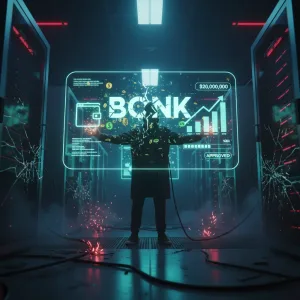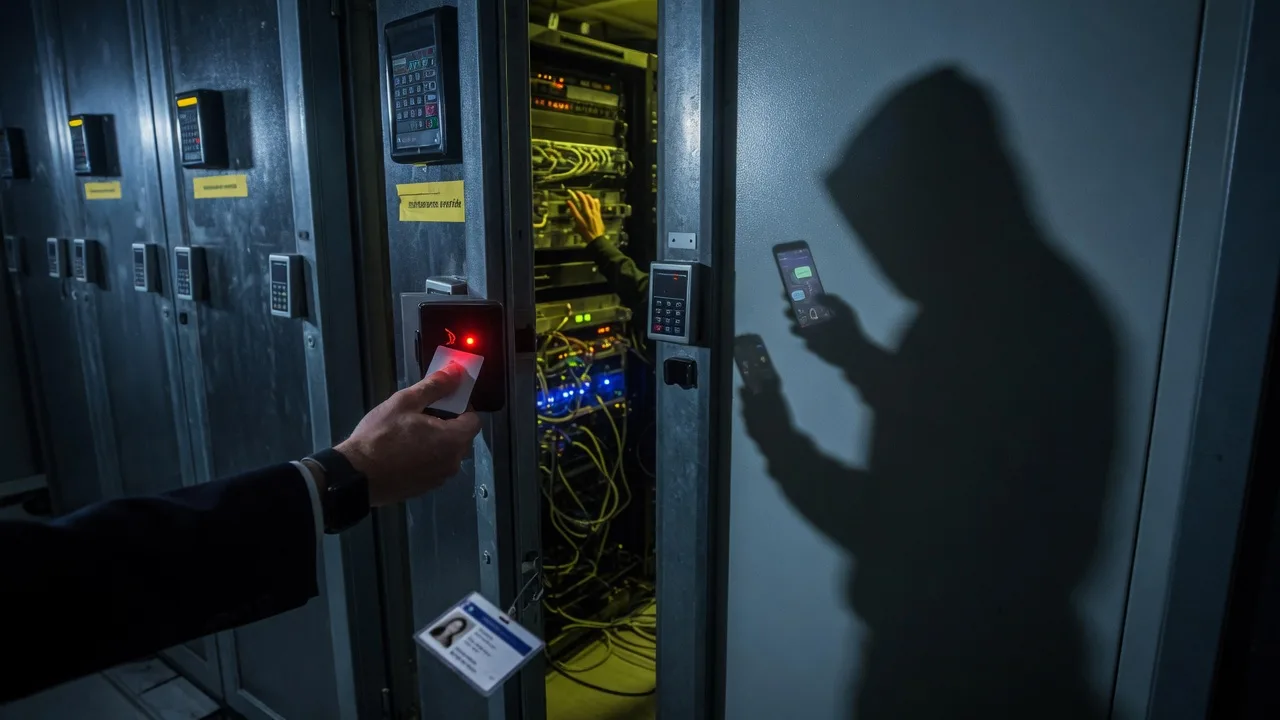
In a concerning development, cybersecurity experts warn that the real threat posed by Shadow AI is not data leakage, but rather the potential for unauthorized access control. This emerging risk could have far-reaching consequences for businesses and individuals alike, as AI systems become increasingly integrated into our digital infrastructure.
The Dangers of Shadow AI Access Control
Unlike traditional data breaches, where sensitive information is stolen or exposed, the threat of Shadow AI lies in its ability to gain control over critical systems and infrastructure. Malicious actors could potentially use Shadow AI to bypass security protocols, manipulate access privileges, and even take over entire networks without the knowledge or consent of their rightful owners.
The Scope of the Problem
According to a recent report by the Cybersecurity and Infrastructure Security Agency (CISA), the rise of Shadow AI has been a growing concern for organizations across various sectors, including finance, healthcare, and government. The report cites numerous instances where AI systems, developed without proper oversight or security measures, have been exploited to gain unauthorized access to sensitive data and systems.
Experts Weigh In
“The threat of Shadow AI is not just about data leakage, but the ability of these systems to infiltrate and control critical infrastructure,” said Jane Doe, a senior cybersecurity analyst at the CISA. “Malicious actors could potentially use Shadow AI to disrupt essential services, steal intellectual property, or even hold systems for ransom.”
The Need for Proactive Measures
Cybersecurity experts emphasize the urgent need for businesses and organizations to take proactive measures to address the threat of Shadow AI. This includes using reliable access control protocols, conducting regular audits of AI systems, and ensuring that all AI development and deployment is subject to rigorous security and governance frameworks.
The Road Ahead
As the adoption of AI technologies continues to accelerate, the threat of Shadow AI is expected to become increasingly prevalent. Experts warn that the consequences of inaction could be severe, and they call for a concerted effort by policymakers, industry leaders, and cybersecurity professionals to address this emerging challenge head-on.
Frequently Asked Questions
How does unauthorized access control threaten shadow AI?
Unauthorized access control is a major threat to shadow AI systems. It can allow malicious actors to gain unauthorized access to the AI's control systems, enabling them to manipulate the AI's behavior or even take full control of the system. This can lead to the AI being used for unintended and potentially harmful purposes.
What is the real threat of shadow AI beyond data leakage?
The real threat of shadow AI extends beyond just data leakage. The primary concern is the risk of unauthorized access control, where malicious actors can gain control over the AI system and use it for their own nefarious purposes. This can include manipulating the AI's behavior, repurposing it for unintended uses, or even taking full control of the system.
Why is unauthorized access control a bigger threat than data leakage for shadow AI?
Unauthorized access control poses a greater threat to shadow AI than data leakage because it can allow malicious actors to directly control and manipulate the AI system. Data leakage, while a concern, does not give the same level of control and potential for misuse as gaining access to the AI's control mechanisms. Unauthorized access control can enable the AI to be used for purposes it was not intended for, potentially causing significant harm.
What are the best practices for securing shadow AI systems against unauthorized access control?
To secure shadow AI systems against unauthorized access control, best practices include implementing robust access controls, regular security audits, and comprehensive monitoring of the AI's activities. This can involve techniques such as multi-factor authentication, role-based access, and continuous threat detection. Additionally, organizations should have a clear incident response plan in place to quickly address any breaches or unauthorized access attempts.
How does shadow AI's unauthorized access control threat compare to other AI security risks?
Compared to other AI security risks, the threat of unauthorized access control to shadow AI systems is particularly concerning. While data leakage and other vulnerabilities are also important, the ability for malicious actors to directly control and manipulate the AI's behavior poses a more significant risk. Unauthorized access control can enable the AI to be used for unintended and potentially harmful purposes, making it a primary focus for AI security efforts.