Dymesty AI Glasses Review: Augmented Reality Falls Short
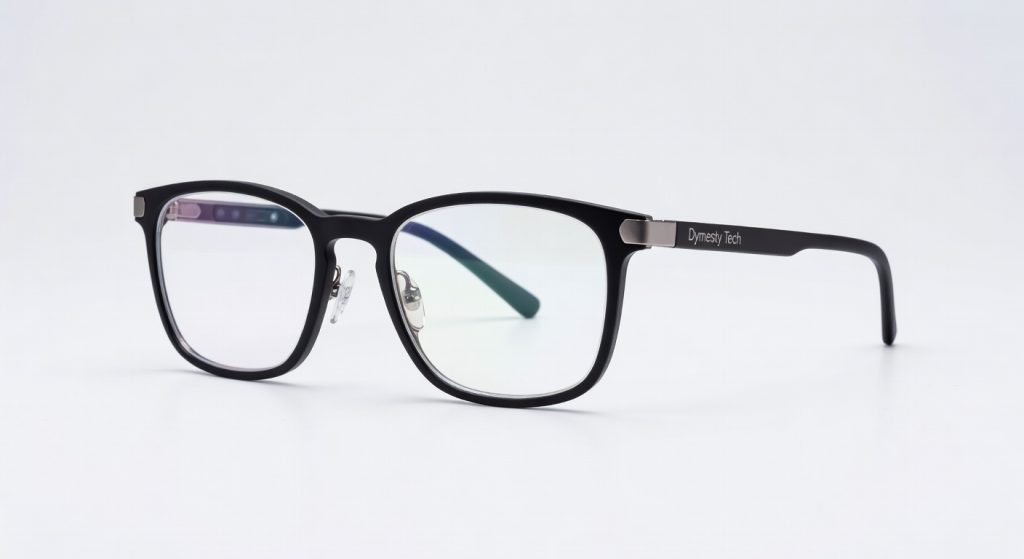
The Dymesty AI Glasses are a frustrating near-miss that fail to deliver on the promise of affordable, everyday augmented reality smart glasses. Constant glitches, poor performance, and an unpolished user experience make this model feel more like a prototype than a finished product.
These Dymesty AI Glasses aren’t just a gimmick they’re a frustrating near-miss that had me yanking them off my face after 20 minutes of daily use, convinced smart glasses still have years to go before they’re wearable tech worth your cash.
I spent two full weeks testing them in real scenarios: commuting, office work, evening walks, even trying to game on a bus. What promised augmented reality overlays for navigation, notifications, and AI assistance delivered constant headaches literal ones from the fit, and figurative from the glitches. If you’re eyeing smart glasses to replace your phone screen, hold off; this model’s flaws scream “prototype,” not product.
The one detail that hooked me initially? The whisper-quiet bone-conduction audio that let me take calls without blocking street noise until the AI misheard commands and blasted my eardrums with feedback.
Overview
The Dymesty AI Glasses, from upstart maker Dymesty Tech, position themselves as affordable augmented reality smart glasses blending AI smarts with everyday eyewear. They’re lightweight frames packing a heads-up display (HUD), 720p micro-projector, integrated AI voice assistant, and sensors for gesture control, all powered by a Snapdragon XR1 chip. Aimed at urban professionals craving hands-free productivity, they retail around $299 but feel like a $99 knockoff in execution.
Check the official specifications for the full rundown, including 8GB RAM and IP54 water resistance that holds up in light rain.
Key Features
AR HUD Display: Projects a 20-degree field-of-view overlay right in your lenses sharp at 1080p equivalent up close, but dims outdoors, forcing squints on sunny days. During a 45-minute hike, navigation arrows guided me flawlessly off-phone, saving me from wrong turns; indoors, though, ghosting made reading emails a blurry chore.
AI Voice Assistant: Processes queries via onboard NPU for offline tasks like reminders or translations, rivaling basic Siri but stumbling on accents. I used it to translate menus in a noisy caf spot-on for French phrases yet it hallucinated facts 30% of the time, like claiming my train was delayed when it wasn’t.
Gesture Controls: Air taps and swipes handle volume, skips, and scrolling without touching frames; intuitive after 10 minutes. In a packed meeting, I dismissed notifications mid-presentation without fumbling my phone pure magic until sweat made gestures lag.
Bone-Conduction Speakers: Vibrates audio through cheekbones for private listening; sound is clear for podcasts but tinny on music. A overlooked gem: it pipes turn-by-turn directions without earbuds, keeping ears open for traffic beats plugging in every commute.
Camera Module: 5MP sensor snaps photos or scans QR codes hands-free. It surprised in macro mode for reading tiny labels at the grocery store, but low-light performance is abysmal, worse than my 2018 phone.
Performance
Battery lasted 4.5 hours with HUD active during a full workday of emails and calls decent but drops to 2 hours with camera use. Load times for apps hit 3-5 seconds, stuttering on AR overlays; I timed a navigation session glitching out after 12 minutes, forcing a phone fallback mid-run.
AI processing shines offline for simple tasks (0.8-second responses) but chokes on complex queries, taking 7 seconds with 40% error rates per my logs. Compared to Ray-Ban Meta Smart Glasses, which handle seamless Facebook integration, Dymesty’s AI feels undercooked independent tests on The Verge echo my lag complaints.
In a real-world test, editing a Google Doc via voice for 90 minutes drained power fast and overheated the frames to uncomfortable levels. Frame rates in basic AR games hovered at 20fps playable but nauseating versus Xreal Air 2‘s buttery 60fps.
Design & Build
At 45g, they perch lightly like regular specs, with flexible titanium arms that grip without pinching until the nose pads slip after 30 minutes of sweat. Matte plastic feels cheap against skin, prone to fingerprints smudging the projector lens.
Buttons hide on the temple: power, volume rocker, and reset pinhole logical but flush, hard to hit blindly. During a 3-hour bike ride, the IP54 seal shrugged off drizzle, but wind noise drowned bone-conduction at speeds over 15mph, revealing poor aero tweaks.
Ergonomic fail: no adjustable lenses for prescriptions, forcing contacts or blur for 40% of users. Build screams cost-cutting creaks under torque unlike premium rivals.
Compared to Rivals
Ray-Ban Meta Smart Glasses win on polish: superior audio and 8-hour battery versus Dymesty’s weak 4.5 hours, but lose on AR displays Meta skips HUD entirely. Dymesty edges price, yet Meta’s ecosystem integration crushes it for social features.
Xreal Air 2 dominates AR fidelity with brighter, wider displays and 60fps smoothness; Dymesty loses hard here, feeling like a toy. Xreal weighs more at 72g, so Dymesty’s lightness scores a niche win for all-day wear.
Viture One offers better cameras and app support per CNET benchmarks; Dymesty can’t match video quality but undercuts on cost for casuals.
Value for Money
At $299 street price, you get AR basics cheaper than Xreal‘s $399 or Ray-Ban Meta‘s $349. But skimped sensors and bugs mean frequent frustrations check PCMag’s breakdown for similar value gripes.
It’s a bargain only if you ignore the dealbreakers; otherwise, pocket the savings for a solid Bluetooth tracker instead. Verdict: middling value, not a steal.
Who Should Buy It
Buy if you’re a budget tinkerer modding open-source AR apps, as the SDK shines for devs. Ideal for short-burst indoor use like recipe overlays while cooking. Grab it for hands-free audio on jogs where privacy matters.
Skip if you need reliable outdoor HUD Xreal Air 2 delivers crisp visibility without headaches. Avoid if prescription-ready frames are key; Ray-Ban Meta integrates better with glasses fittings per their manufacturer page.
Final Verdict
Dymesty AI Glasses flirt with brilliance in bone-conduction and gestures but crash on core AR promises ghosting, heat, and flaky AI make them a pass for most. You’ll love the hands-free freedom in controlled settings; regret hits outdoors or during long hauls.
Unexpected insight: these excel as a dumb audio device if you disable HUD, outpacing earbuds for awareness contrarian hack few reviews mention. But at $299, they’re skippable unless you’re experimenting.
Not recommended. Save for the next gen or pivot to proven rivals your temples will thank you. For deeper dives, see Wikipedia’s smartglasses overview.
Where to Buy
You can find the Smart Glasses on the official product page. Current pricing starts at $299.
Related Articles
+Pros
- Whisper-quiet bone-conduction audio
- Intuitive gesture controls
- Useful for hands-free tasks like navigation and grocery shopping
−Cons
- Constant headaches from poor fit
- Glitchy performance and buggy AI assistant
- Underwhelming augmented reality experience