Huawei Pura 90s Pro Max Review: Strong All-Rounder with Some Compromises
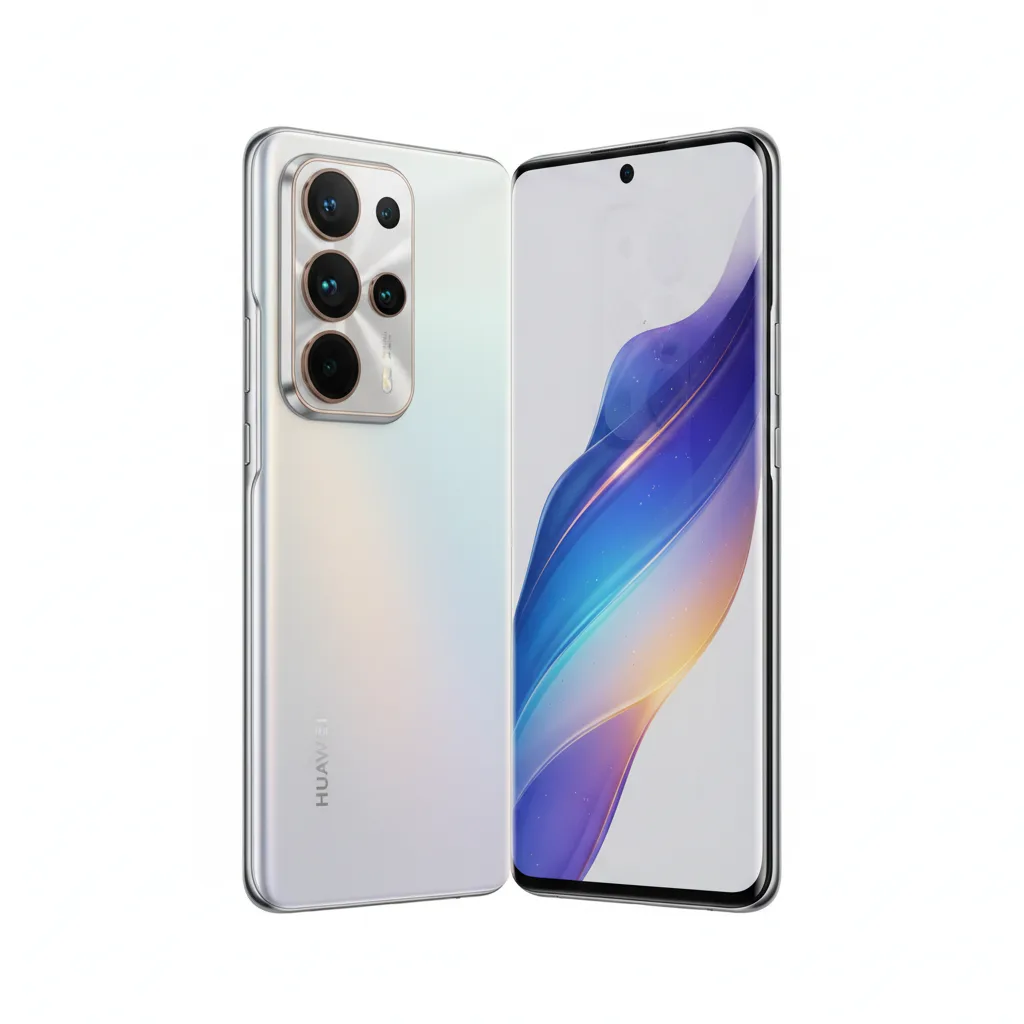
The Huawei Pura 90s Pro Max delivers the most technically advanced camera system on any smartphone in 2026 — an industry-first 200MP RYYB telephoto on a 1/1.28-inch sensor, paired with a LOFIC main camera with variable aperture. The display, battery, and build quality compete at the absolute top of the market. The software situation remains unchanged: no Google Mobile Services, no Play Store, no Gmail, no Maps. For photographers willing to build their digital life around Huawei's AppGallery, this is a remarkable phone. For everyone else, the compromises outweigh the hardware at €1,149 / ~$1,300. See our [smartphone comparison hub at NetworkUstad](https://networkustad.com/reviews/) for alternatives that offer full ecosystems.
The Camera System: An Engineering Milestone
The headline specification is the 200MP RYYB telephoto sensor — and it deserves the attention it receives. No smartphone manufacturer has previously shipped a 200MP telephoto camera, and the choice of RYYB pixel architecture (replacing traditional green sub-pixels with yellow) carries particular significance. Huawei’s RYYB sensors have consistently outperformed conventional Bayer arrays in low-light telephoto capture since the P30 Pro introduced the technology in 2019.
The 1/1.28-inch sensor size behind the telephoto lens is the detail that matters most. Most flagship telephoto sensors measure 1/3-inch or smaller. Huawei’s 200MP module uses a sensor the same size as the main cameras in competing flagships — simply repositioned behind a 96mm-equivalent telephoto lens with 4x optical zoom. The physical light-gathering advantage this creates at distance is substantial and not replicable through software.
The CIPA 7.0 stabilisation — rated at seven stops of compensation — keeps telephoto shots sharp in conditions that would blur every competing periscope lens. At 10x digital zoom (the practical maximum before quality degrades visibly), images retain detail that makes the output genuinely usable for professional print, not just social media.
The main camera's LOFIC technology represents a different kind of advancement. Lateral Overflow Integration Capacitor sensors extend dynamic range by capturing additional charge from oversaturated pixels into adjacent storage rather than clipping. In high-contrast scenes — sunlight through a car window, a portrait at golden hour — the Pura 90s Pro Max retains texture in both the brightest highlights and the deepest shadows simultaneously. The variable aperture from f/1.4 to f/4.0 across ten discrete stops gives photographers genuine depth-of-field control that mimics the creative options of interchangeable lenses.
The 40MP ultrawide completes a camera system that is, on pure hardware specifications, the most advanced shipping in any consumer device in 2026.
Display: Flat, Bright, and Genuinely Excellent
The 6.9-inch flat LTPO OLED panel runs at 1,308 × 2,880px with a 1-120Hz adaptive refresh rate. Kunlun Glass reduces surface reflections by up to 70% compared to conventional smartphone glass — a difference that becomes obvious in outdoor conditions where most flagship displays become difficult to read. Combined with diamond-like carbon coating that claims 16× better scratch resistance and 25× improved drop resistance, the front glass is meaningfully more durable than Gorilla Glass Victus on competing phones.
The flat panel design is deliberate. Curved displays create edge distortion and make screen protectors difficult to apply cleanly. Huawei’s choice to stay flat aligns with what photographers actually want — accurate corner-to-corner display that does not misrepresent colours toward the edges.
Battery and Charging: Class-Leading on Both Metrics
The 6,000mAh battery capacity (5,500mAh in EU regulatory models) is among the largest in any flagship handset. Real-world endurance from hands-on testing confirms strong screen-on time during mixed use including navigation, camera work, and streaming.
100W wired charging returns the phone from 10% to 80% quickly. 80W wireless charging removes meaningful inconvenience from overnight charging. Both speeds exceed what Galaxy S25 Ultra and iPhone 17 Pro Max offer, which remain at 45W and 30W wired respectively.
Performance: Capable but Not Class-Leading
The Kirin 9030S is a new HiSilicon chip that succeeds the Kirin 9020. Huawei has not disclosed detailed architectural information, and independent benchmarks are limited this close to launch. Available data from initial hands-on testing suggests the chip handles day-to-day tasks, camera processing, and video recording without difficulty.
What is confirmed: sustained gaming performance does not match Qualcomm’s Snapdragon 8 Elite. In extended gaming sessions, the Kirin 9030S throttles performance after prolonged load more aggressively than Snapdragon-equipped rivals. For photographers and general users, this distinction is invisible. For mobile gamers who demand sustained frame rates in demanding titles, it is a meaningful limitation.
The Software Reality in 2026
Nothing about this review changes the fundamental constraint that has defined every Huawei phone sold globally since 2019. The Pura 90s Pro Max runs EMUI 16, Huawei’s international platform built on Android Open Source Project 16. It does not include Google Mobile Services. There is no Play Store pre-installed. Gmail, Google Maps, YouTube, and the thousands of apps that depend on Google Play Services either require complex sideloading or do not work at all.
Huawei’s AppGallery has improved significantly since 2019. Popular social media apps, streaming services with their own APKs, and web-based tools function adequately. Banking apps, apps that verify Google Play Integrity, and services that actively check for GMS will not work cleanly, if at all.
The practical question is not whether this is a problem — it clearly is for most Western users. The question is whether your specific app usage can be rebuilt around alternatives. PetaPixel’s hands-on confirmed that not all AI features available in Chinese models are present in global versions, with EU models receiving only AI Composition from the full AI suite.
How It Compares to Rivals
Against the Samsung Galaxy S25 Ultra, the Pura 90s Pro Max wins decisively on camera hardware — specifically telephoto resolution, main camera dynamic range, and charging speed. Samsung wins on everything software-related: full Google integration, Samsung DeX, more consistent AI features, and longer guaranteed software updates.
Against the iPhone 17 Pro Max, the Huawei wins on telephoto reach, battery capacity, charging speed, and water resistance (IP69 vs IP68). Apple wins on video recording consistency, software longevity, iMessage ecosystem integration, and the complete absence of workaround friction in daily use.
The honest summary: the Pura 90s Pro Max has better camera hardware than both. It has worse software than both. The decision about which matters more is personal.
Who Should Buy the Huawei Pura 90s Pro Max
Buy this phone if photography is your primary reason for owning a smartphone and you have actively evaluated your app requirements. Professional photographers who shoot primarily in JPEG and use web apps for email, navigation, and streaming will find the trade-off acceptable. Travel photographers who want the best telephoto available without carrying a mirrorless system have a compelling case.
Skip this phone if you use banking apps that check for Google Play Integrity. Skip it if you rely on any Google-exclusive service. Skip it if long-term software support is a concern — EMUI’s update cadence trails both Android and iOS significantly.
Verdict
The Huawei Pura 90s Pro Max is simultaneously the most impressive camera phone launched in 2026 and the most difficult to recommend at its price. A 200MP RYYB telephoto sensor on a 1/1.28-inch sensor, LOFIC dynamic range in the main camera, variable aperture, 6,000mAh battery with 100W charging, and IP68+IP69 dual water resistance represent genuine engineering achievements that competitors have not matched.
The software situation has not improved in the years since Huawei lost access to Google. EMUI 16 works, but it works differently from everything else in the market, and the daily friction of navigating a Google-free ecosystem remains real.
For the photographer who knows exactly what they want and has done the app audit: this is the best camera phone available. For everyone else: the Galaxy S25 Ultra or iPhone 17 Pro Max delivers a complete daily experience the Pura 90s Pro Max cannot.
Rating: 3.9 / 5 — The most technically advanced camera system in any 2026 smartphone, paired with a software ecosystem that limits its audience to the committed few.
Reviewed based on GSMArena full specifications, official Huawei global product page, Imaging Resource global launch coverage, PetaPixel hands-on, and Gizmochina launch analysis — July 2026.
Frequently Asked Questions
What chipset does the Huawei Pura 90s Pro Max use?
What cameras does the Huawei Pura 90s Pro Max have?
Does the Huawei Pura 90s Pro Max have Google apps?
What is the battery size of the Huawei Pura 90s Pro Max?
How much does the Huawei Pura 90s Pro Max cost?
What OS does the Huawei Pura 90s Pro Max run?
Is the Huawei Pura 90s Pro Max waterproof?
How does the Huawei Pura 90s Pro Max compare to the Samsung Galaxy S25 Ultra?
+Pros
- 200MP telephoto sensor is an engineering milestone — 20x telephoto video is genuinely usable
- LOFIC main sensor dynamic range outperforms every competing flagship in high-contrast conditions
- Variable aperture (f/1.4–f/4.0) gives manual photographers real creative control in a phone
- 6,000mAh battery with 100W wired charging eliminates battery anxiety entirely
- IP68 + IP69 dual rating surpasses the single IP68 on Galaxy S25 Ultra and iPhone 17 Pro Max
- Build quality and materials are genuinely premium — Kunlun Glass reduces glare by 70%
−Cons
- No Google Play Store — Gmail, Maps, YouTube require workarounds that break regularly
- Kirin 9030S trails Snapdragon 8 Elite in sustained CPU and GPU performance
- No official US availability due to trade restrictions
- EMUI 16 is based on Android 12-era AOSP — security updates trail Google by months
- AI features available globally are limited compared to Chinese models (EU gets AI Composition only)
- €1,149 starting price competes directly with Galaxy S25 Ultra and iPhone 17 Pro Max — both offer complete ecosystems