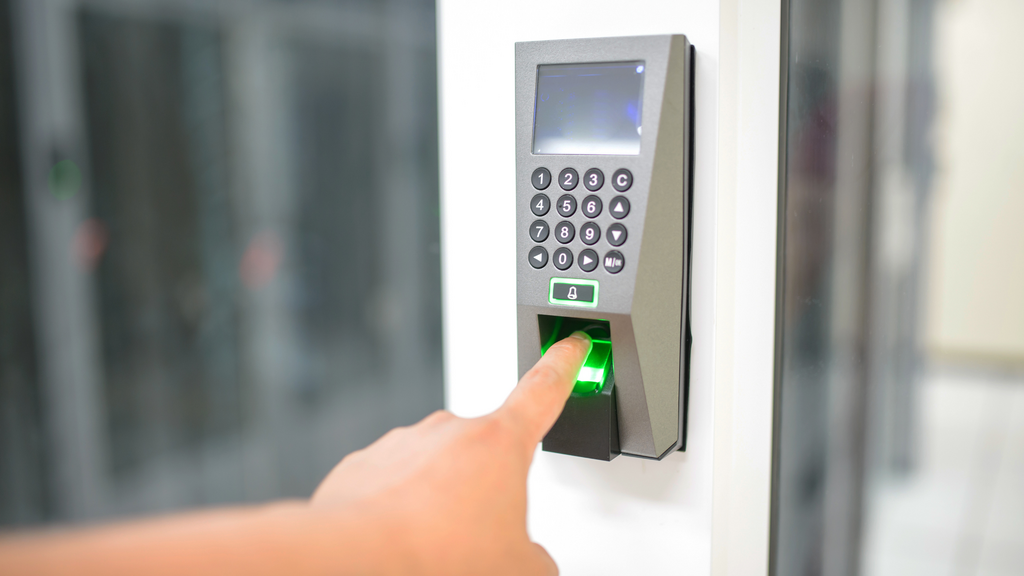
Buildings get broken into every day, not through shattered glass, but through the front door, using credentials nobody bothered to revoke. Physical threats have quietly evolved, and the distance between legacy entry systems and what modern security genuinely demands keeps growing.
Here’s the thing, though: smart authentication for physical security is closing that gap faster than most organizations realize, weaving together real-time analytics, intelligent verification, and layered access controls that protect people and property more effectively than anything built a decade ago.
Physical Security Has Changed. Have Your Systems Kept Up?
For years, businesses have relied on keys, cards, and PIN codes to secure their buildings. While these tools still serve a purpose, they were not designed for today’s security challenges. Lost badges, shared credentials, and outdated access permissions can create serious risks that often go unnoticed. As workplaces evolve and security threats become more common, organizations need smarter ways to manage who enters their facilities.
Modern access control technology goes beyond simple entry management by focusing on identity verification and real-time oversight. Combined with advanced physical security solutions, it helps create safer, more secure environments while making access easier to manage.
What Smart Authentication Actually Does Differently
Smart authentication for physical security doesn’t just replace a keycard with a fingerprint scanner. It shifts the entire logic of access, from static credential verification toward dynamic, context-aware identity confirmation. The question isn’t only who is presenting credentials. It’s whether granting access right now makes any sense at all.
Organizations building systems around this principle often rely on robust access control systems from platforms like Mercury Security, which layer intelligence across existing infrastructure, with no full hardware replacement required.
Biometrics: Not the Future, the Present
Biometric technology has matured considerably. Facial recognition, iris scanning, palm vein detection, and voice authentication- these aren’t sci-fi anymore. Encrypted template processing happens at the edge now, meaning no raw biometric images travel across networks or sit in centralized databases waiting to be breached.
Fortune 500 companies and smart building operators run these systems at real scale today. Privacy-first architectures ensure alignment with GDPR, CCPA, and BIPA, making the legal adoption path far less painful than many legal teams initially assume.
There’s also a problem biometrics solve permanently: credential sharing. You simply cannot lend someone your iris.
AI and Machine Learning: Security That Actually Thinks
Secure building authentication gets a genuine intelligence upgrade when AI enters the picture. These systems learn access patterns, flag time-of-day anomalies, and generate dynamic risk scores continuously, not based on rules someone wrote years ago.
Here’s a concrete example. An employee badges into a Chicago facility. Forty minutes later, the same credential attempts access in Dallas. The system flags it immediately. No human analyst needed. Adaptive authentication adjusts permissions in real time, responding to continuously updated threat assessments rather than waiting for a quarterly policy review.
AI-powered authentication is most powerful, though, when it isn’t operating in isolation.
Convergence: Where Digital and Physical Security Finally Meet
Merging identity and access management (IAM) with physical building security creates one unified, intelligent system rather than two separate platforms generating separate alerts that nobody correlates in time.
Cloud-connected controllers enable remote monitoring, automated provisioning, and real-time credential lifecycle management, covering employees, contractors, visitors, and IoT devices simultaneously.
Mobile and Wearable Credentials Are Already Here
One of the most practical upgrades in physical security today involves devices people already use every day. Smartphone-based authentication through NFC, Bluetooth, or QR codes is replacing traditional badge systems in many organizations. Smart wearables, digital badges, and connected devices also provide quick and convenient entry while maintaining strong security standards.
These modern access methods reduce the hassle of carrying separate credentials and make access management easier for both users and administrators. By following Zero Trust principles, every access request is verified before entry is granted, helping organizations strengthen security while creating a smoother and more efficient user experience.
Multi-Factor Authentication for Physical Spaces
MFA isn’t exclusively a digital-world concern anymore. Sensitive physical areas benefit significantly from requiring multiple verification factors before granting entry, and passwordless solutions eliminate the weakest link, which is human-chosen credentials, while paradoxically making the user experience smoother.
Automated audit trails and instant access revocation transform compliance reporting from a quarterly ordeal into a routine, manageable process.
Where Access Control Technology Is Heading in 2025
Three directions are worth watching closely. AI-integrated cameras now detect tailgating, monitor real-time occupancy, and send threat alerts without demanding constant human oversight. Blockchain-based permissioning creates tamper-proof audit logs that hold up under external scrutiny. Cloud-native, API-driven physical security solutions allow organizations to scale without committing to enormous infrastructure budgets upfront.
These aren’t pilot programs for well-funded enterprises. Security teams across industries are deploying them now.
One caveat worth stating plainly: even the most sophisticated technology has a vulnerability no algorithm fully patches. Human behavior. That’s why organizational culture matters just as much as hardware investment.
The Human Side of Security
Gamification, microlearning, and scenario-based training keep physical security protocols genuinely front of mind, without burning staff out on annual compliance sessions that nobody remembers two weeks later. Anonymous reporting channels make it psychologically safe to flag a suspicious access event without social awkwardness or workplace politics getting in the way.
When employees understand their role at access points, they become remarkably effective early-warning systems.
ROI at a Glance
| Benefit | Impact |
|---|---|
| Risk Reduction | Eliminates credential sharing and unauthorized access |
| Compliance | Automated audit trails, consistent policy enforcement |
| Operational Efficiency | Streamlined provisioning and rapid revocation |
| User Satisfaction | Frictionless, mobile-first entry experiences |
Start by honestly assessing your current gaps. Pilot smart authentication in high-risk zones first, then track measurable KPIs: access violations detected, credential incidents resolved, help desk tickets reduced.
Common Questions, Answered Directly
1. What trends are shaping physical security in commercial buildings right now?
AI-integrated cameras, mobile credentials, biometric authentication, and cloud-native platforms are leading adoption. Zero Trust frameworks, which verify every access attempt continuously, are becoming the baseline expectation, not a premium option.
2. Are biometrics genuinely more secure than access cards?
Yes. Biometrics verify identity, not possession. Edge-processed encrypted templates prevent data exposure while eliminating risks tied to lost cards or shared credentials entirely.
3. Can organizations upgrade without replacing all existing hardware?
Absolutely. Platforms supporting compatibility with existing access control systems, like Mercury Security’s controller ecosystem, let organizations upgrade authentication capabilities incrementally, preserving prior infrastructure investments.
4. What privacy considerations apply to biometric deployments?
Edge processing, encrypted templates, voluntary enrollment, and transparent opt-out policies address the core concerns. GDPR, CCPA, and BIPA compliance should guide every biometric deployment from day one, not get retrofitted later.
5. How do AI systems detect tailgating specifically?
They use 3D sensing combined with behavioral analytics to distinguish individual versus multiple people passing through an access point simultaneously, triggering immediate alerts when unauthorized tailgating is detected.
The Bottom Line
Physical security stopped being just about locks and cameras a long time ago. Today, it’s about intelligent systems that verify identity, adapt to emerging threats, and integrate across digital and physical environments without creating operational friction.
Organizations investing in smart authentication for physical security aren’t simply protecting buildings; they’re embedding resilience into every access point. The tools exist. The business case is well established. The only real question worth asking is how long you can reasonably afford to wait.