Technical careers used to have clearer lanes. A network engineer worked on networks. A developer wrote code. A technician handled equipment. An analyst looked at data. Simple enough.
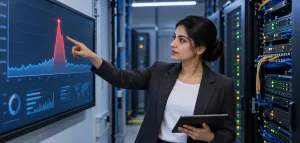
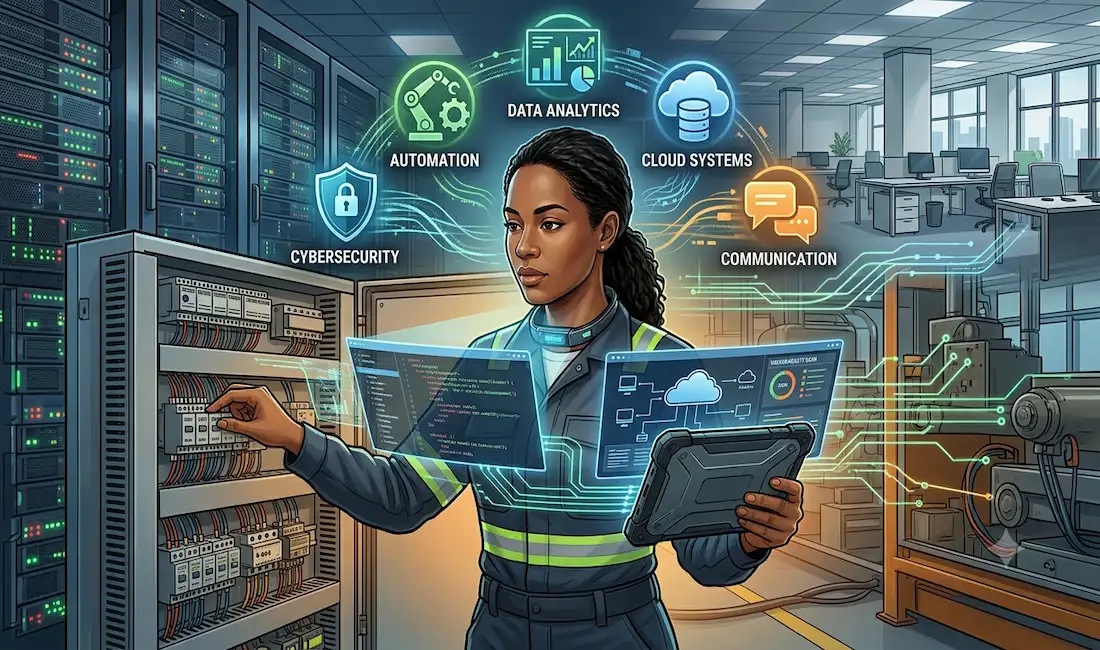
That setup still exists, but the walls between roles are thinner now. A lot thinner. Today, the person managing infrastructure may also need to understand cloud dashboards, automation scripts, cybersecurity basics, and compliance rules. The technician on-site may need to read sensor data, troubleshoot software alerts, and communicate with remote teams through digital platforms.
The shift is not just about “learning tech.” That phrase gets tossed around too much. It’s about blending hands-on technical knowledge with digital fluency. The most useful professionals are not always the ones with the longest list of certifications. Often, they are the ones who can connect systems, people, data, and decisions without freezing when something unfamiliar appears on screen.
That matters.
Digital Tools Are Now Part of Every Technical Job
Walk into almost any technical workplace and the same pattern shows up. Software is everywhere. Field teams use mobile apps for reporting. Engineers check cloud-based dashboards. Operations teams rely on ticketing systems. Managers want real-time updates, not a spreadsheet sent three days later.
Healthcare is a good example. A clinic may rely on a patient management system to handle bookings, records, billing, and communication between staff. That sounds administrative at first, but it also affects IT support, cybersecurity, data access, workflow design, and system uptime. One broken integration can slow down the whole operation. One weak password policy can expose sensitive information. The “technical” issue is rarely just technical anymore.
This is why employers increasingly look for people who can understand both the tool and the environment around it. Can the person troubleshoot the platform? Can they explain the issue without making everyone feel silly? Can they spot a security risk before it becomes a long afternoon of panic and coffee?
Those soft edges matter more than people think.
Automation Changed the Skill Mix
Automation did not remove the need for technical workers. It changed what good technical work looks like.
Repetitive tasks are easier to automate now. Network monitoring tools flag issues before users complain. Industrial systems collect performance data without someone standing beside the machine all day. AI tools can scan logs, summarize incidents, and suggest fixes. Helpful? Absolutely. Perfect? Not even close.
That gap creates demand for hybrid skills. A worker needs to know when to trust the tool, when to question it, and when to step in. Automation can point to a possible fault, but a skilled person still has to understand the real-world context. Is the sensor wrong? Is the network unstable? Did someone update a setting and forget to tell the team?
Classic.
This is where technical judgment becomes valuable. Digital tools can process information quickly, but humans still connect the dots. The best professionals use automation like a strong assistant, not a replacement brain.
Cybersecurity Is No Longer Someone Else’s Job
Cybersecurity used to sit in a separate corner of the business. The security team handled threats. Everyone else carried on. That model does not work anymore.
Every technical role now touches security in some way. Network teams manage access controls. Developers write code that attackers may try to break. Support staff handle user accounts. Field technicians connect devices that may sit on the same network as critical systems. Even a small mistake can create an opening.
No one expects every technical worker to become a full-time security analyst. That would be unrealistic, and honestly, exhausting. But basic cyber awareness is now part of being competent. Strong passwords. Multi-factor authentication. Patch management. Phishing awareness. Secure remote access. These are not fancy extras. They are table stakes.
For technical workers, this creates a clear advantage. The person who understands their core role and can think securely will always be more useful than someone who says, “That’s not my department.” It might have been someone else’s department ten years ago. Not now.
Field Roles Are Becoming Data Roles Too
Some people still imagine digital skills as office-based skills. Laptops. Dashboards. Headsets. Maybe a suspiciously expensive chair.
But field-based technical roles are changing just as quickly. Take an electrical instrumentation technician working across an industrial site where energy, manufacturing, and processing facilities depend on accurate measurement and control systems. The job still requires practical knowledge of instruments, wiring, calibration, and safety procedures. No app can replace that hands-on skill. But the role also involves digital control systems, diagnostic software, networked sensors, remote monitoring platforms, and data interpretation.
That blend is the point. The modern technician needs to understand what happens inside the equipment and what the data says about it. If the readings look wrong, they need to know whether the fault sits in the instrument, the connection, the software, or the process itself.
It’s not enough to be “good with tools” or “good with computers.” The stronger career path belongs to people who can move between both worlds without treating either one as a mystery.
Communication Is Becoming a Technical Skill
Here’s the part that often gets ignored: hybrid digital skills are not only about software. Communication is part of the package.
A technical worker may need to explain a system outage to a non-technical manager. A cybersecurity analyst may need to write a plain-language incident summary. A technician may need to document a fix so the next person does not waste two hours repeating the same steps. Clear writing saves time. Clear speaking prevents mistakes.
This is not glamorous work. Nobody posts a dramatic LinkedIn update about a well-written support note. But in real workplaces, communication keeps things moving.
The last time a team struggled through a messy technical handover, the problem usually wasn’t the equipment. It was the missing context. What changed? Who approved it? Which workaround failed? Where was the log saved? Tiny details. Big consequences.
Technical knowledge gets the job started. Communication gets it finished.
Learning Paths Are Becoming Less Linear
The old advice was simple: pick a field, study it, get certified, find a job, repeat as needed. That still works in some areas, but many careers now grow sideways before they grow upward.
A networking student may learn cloud security. A help desk worker may move into automation. A technician may study data analytics. A developer may learn infrastructure. These crossovers are no longer strange. They are normal.
The good news is that hybrid skills do not require mastering everything at once. That would be a fast route to burnout and possibly a dramatic relationship with caffeine. Better progress comes from stacking useful skills around a core profession.
Start with the base. Then add what makes the role stronger. For networking, that might mean Python scripting, cloud platforms, and security fundamentals. For industrial roles, it might mean data logging, control systems, and remote monitoring tools. For healthcare IT, it might mean privacy rules, workflow mapping, and system integration.
The goal is not to become a walking encyclopedia. It is to become adaptable.
The Strongest Careers Will Belong to Translators
The future of technical work favors translators. Not language translators, although that skill helps too. It favors people who can translate between machines and humans, between field problems and digital systems, between raw data and practical action.
That is the real reason hybrid digital skills matter. Technology keeps spreading across industries, but businesses still need people who can make it useful. Tools alone do not create better operations. Skilled people do.
Technical careers are not becoming less technical. They are becoming wider. The work now rewards curiosity, flexibility, and the confidence to learn outside one narrow lane. For anyone building a career in IT, engineering, cybersecurity, healthcare systems, or industrial technology, that is a strong signal.
Stay technical. Get digital. Learn to explain things clearly.
That mix travels well.