Nearly every guide to earning money online promises passive income “while you sleep” with unrealistic, precise dollar figures attached. The honest version is less dramatic but far more useful: most legitimate online income methods require real upfront effort, have genuine barriers to entry, and produce highly variable results depending on skill, niche, and consistency. This guide covers realistic methods, what current requirements and earnings actually look like, and one common “earning method” that’s worth avoiding entirely.
YouTube: Real Requirements, Real Earnings Ranges
YouTube monetization isn’t automatic just because you upload videos. To join the YouTube Partner Program and earn ad revenue, a channel needs 1,000 subscribers and 4,000 valid public watch hours in the past 12 months, or 10 million valid Shorts views in the past 90 days — an earlier-access tier exists at 500 subscribers plus 3,000 watch hours (or 3 million Shorts views), but it only unlocks limited features like Super Thanks and channel memberships, not full ad revenue. Most channels take 6 to 18 months of consistent uploading to reach full monetization.
Once monetized, actual earnings vary enormously by niche, not a flat per-video rate. Average revenue per 1,000 views (RPM) after YouTube’s cut runs roughly:
- Finance and business content: $15-$40
- Technology: $10-$25
- Education: $5-$15
- Lifestyle and vlogging: $3-$8
- Entertainment and gaming: $2-$5
Reaching $1,000 in ad revenue can require anywhere from 100,000 to 500,000+ views depending entirely on niche — there’s no guaranteed per-video income, and Shorts pay a small fraction of long-form RPM (roughly 5-15% of equivalent long-form rates), making Shorts more useful as a discovery tool that feeds long-form watch time than as a direct revenue source on its own. Realistic strategy: treat the first 6-12 months as genuinely unpaid work building an audience, and diversify beyond ad revenue with memberships, sponsorships, and affiliate links once you have one.
Freelancing
Freelancing — writing, design, development, virtual assistance, and dozens of other skill-based services — remains one of the more straightforward ways to convert existing skills into online income, through platforms like Upwork, Fiverr, and Freelancer.com. Unlike ad-revenue-based methods, freelance income is direct and immediate once you land a client, though building a client base and reputation on a new platform profile takes real time, and platform fees (typically 5-20% depending on the platform and contract type) reduce take-home pay. This is genuinely one of the more reliable entries on this list precisely because it doesn’t depend on an algorithm or audience size — it depends on delivering a service someone will pay for directly.
A realistic starting sequence looks like this: build a portfolio with a small number of genuinely strong examples (even unpaid sample work, if you’re starting with zero client history), set an initial rate lower than your long-term target specifically to secure early reviews and platform credibility, and gradually raise rates as your review history and portfolio grow. Most freelancers report that the first few projects are the hardest to land, purely due to lack of platform history, and that securing work becomes noticeably easier once a handful of positive reviews exist.
Selling Products Online
Selling physical or digital products — whether through your own store, an existing marketplace, or a dropshipping model — is a real business, not a passive side project, even though it’s frequently marketed as one. Building a product-based business involves sourcing or creating products, marketing them (commonly through social media promotion or paid ads), handling customer service, and managing fulfillment or digital delivery. It can be genuinely profitable, but “the customer orders while you sleep and it’s done with no work” understates the marketing, customer service, and inventory or fulfillment effort that actually goes into a functioning store — the order itself may arrive passively, but the business that generates that order doesn’t run itself.
Creating and Selling Online Courses
If you have genuine expertise in a subject, platforms like Udemy, Teachable, and Skillshare let you create and sell video-based courses without building your own website and payment infrastructure from scratch. This is a legitimate method, but success depends heavily on choosing a topic with real demand, producing genuinely useful content, and — particularly on marketplace platforms like Udemy — some baseline marketing effort, since these platforms host enormous numbers of competing courses and don’t guarantee discovery on their own.
Blogging and Website Ad Revenue
Running a blog or content website and monetizing it through display ads (via networks like Google AdSense or Mediavine) or affiliate links is a legitimate, long-standing method — but it faces the same reality as YouTube: meaningful traffic takes sustained content production over months or years, not a quick setup. Revenue scales with traffic and niche, similar to YouTube’s RPM variation, and a new site with minimal traffic will generate correspondingly minimal ad revenue regardless of how many ads are placed on it.
Investing in Stocks
Investing in the stock market is a genuine way to grow money over time, but it’s fundamentally different from the “earn money” methods above — it requires capital to invest in the first place, carries real risk of loss, and isn’t a way to generate income from zero starting capital. If you’re considering this, understand basic principles like diversification (spreading investment across multiple stocks or funds rather than concentrating risk in one company) before committing money, and treat any promise of guaranteed stock market returns with real skepticism, since no legitimate investment carries a guaranteed return.
Renting Property
If you own property beyond your primary residence, renting it — whether through a platform like Airbnb for short-term stays or a traditional long-term lease — is a legitimate income source. It’s worth knowing this isn’t the fully passive “money while you sleep” method it’s often presented as: short-term rental hosts handle guest communication, cleaning and turnover between stays, and need to stay current on local short-term rental regulations, which have tightened significantly in many cities in recent years, including outright bans or strict licensing requirements in some areas. Check local regulations specifically before assuming Airbnb-style rental is straightforwardly legal in your area.
Building and Publishing Mobile Apps
Developing and publishing a mobile app can generate income through ads, in-app purchases, or a paid download price, but this requires genuine technical skill (or paying a developer), ongoing maintenance as operating systems update, and — like most methods on this list — no guaranteed income figure. A successful app comes from solving a real problem or genuine entertainment value for users, not from simply publishing something and waiting.
Web Hosting Reselling
Purchasing a reseller hosting package and reselling hosting space under your own brand is a legitimate small business model, common among web developers who already build sites for clients and want to also handle their ongoing hosting. It requires understanding enough about web hosting to provide basic support to your resale customers, and success depends on actually acquiring paying customers, not simply having reseller access available.
Affiliate Marketing
Affiliate marketing — earning a commission by promoting someone else’s product through a unique tracking link — is a real, widely used income method, but it depends entirely on having an audience or traffic source to promote to in the first place (a blog, social media following, YouTube channel, or email list). It’s rarely a standalone starting method; it’s typically layered on top of one of the audience-building methods above once that audience exists.
A Method to Avoid: Paid CAPTCHA-Solving Work
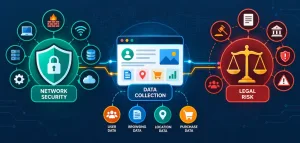
One commonly circulated “easy money” method involves getting paid to manually solve CAPTCHAs for companies running bulk, automated account-registration software across large numbers of websites.
This is worth flagging specifically rather than including as a neutral option: this type of work exists almost entirely to help automated systems bypass the anti-bot and anti-abuse protections that CAPTCHAs are specifically designed to enforce, and it’s overwhelmingly associated with spam account creation, fake engagement, and fraud rather than any legitimate business purpose.
Beyond the ethical concern, participating in this kind of work can expose you to genuine legal risk depending on what the accounts being created are ultimately used for, since you generally have no visibility into or control over that. This isn’t a “low-quality but harmless” side hustle — it’s worth avoiding entirely rather than treating as just another entry on an earning-methods list.
Comparing Methods by What They Actually Require
Rather than ranking these by potential earnings — which vary too much by individual execution to rank meaningfully — it’s more useful to sort them by what they actually demand upfront:
Require an existing skill, pay relatively quickly: freelancing, web hosting reselling, app development (if you already code).
Require building an audience first, pay slowly at first then potentially well: YouTube, blogging, affiliate marketing (which depends on one of these audiences existing).
Require capital to start: stock investing, purchasing inventory for a product-based store, buying a reseller hosting package.
Require an existing asset: renting property.
Require content creation plus some subject-matter expertise: online courses.
Most realistic online income strategies for someone starting from zero combine a skill-based method (freelancing) for near-term income with an audience-based method (a blog, YouTube channel, or social following) built alongside it for longer-term, more scalable income — rather than picking a single method and expecting it to be sufficient immediately.
Frequently Asked Questions
Which of these methods is genuinely the fastest way to earn money online? Freelancing, generally, since it doesn’t require building an audience or waiting for a monetization threshold — if you have a marketable skill, you can find paid work directly through a platform profile within days or weeks, even though building a strong ongoing client base takes longer.
Is it realistic to quit a job for any of these methods immediately? Almost never advisable as a starting point. Nearly every method here that scales well (YouTube, blogging, an online store) takes months to years to produce reliable income, and even freelancing typically needs a period of building a client base before it can reliably replace full-time income.
Do I need money to start any of these? Freelancing, blogging (with free or low-cost hosting to start), and affiliate marketing (once you have an audience) can all begin with minimal upfront capital. Stock investing, purchasing product inventory, and buying a reseller hosting package all require real starting capital.
Why do so many “make money online” guides promise unrealistic, specific dollar figures? Precise, guaranteed-sounding numbers (“$900 a month with no extra work”) are persuasive marketing regardless of whether they’re accurate — they’re common in this content category specifically because vague, honest ranges are less compelling than a confident, specific promise, even when the specific promise doesn’t hold up under scrutiny.
Setting Realistic Expectations
A pattern across every legitimate method above: none of them offer guaranteed, precise monthly income figures, and all of them require real upfront time, skill-building, or capital before producing meaningful returns. Be skeptical of any guide — including earlier versions of this one — that presents online income as an automatic, effort-free multiplication of a small daily action into a specific dollar figure.
The realistic path with any of these methods is choosing one that matches skills or resources you already have, treating the first months as an investment in building an audience, client base, or product rather than expecting immediate returns, and diversifying income sources once you have initial traction rather than depending on a single method or platform. For a broader list of specific online business ideas to start from home, or a deeper look at why diversification matters when investing in stocks specifically, both are worth reading alongside this overview.