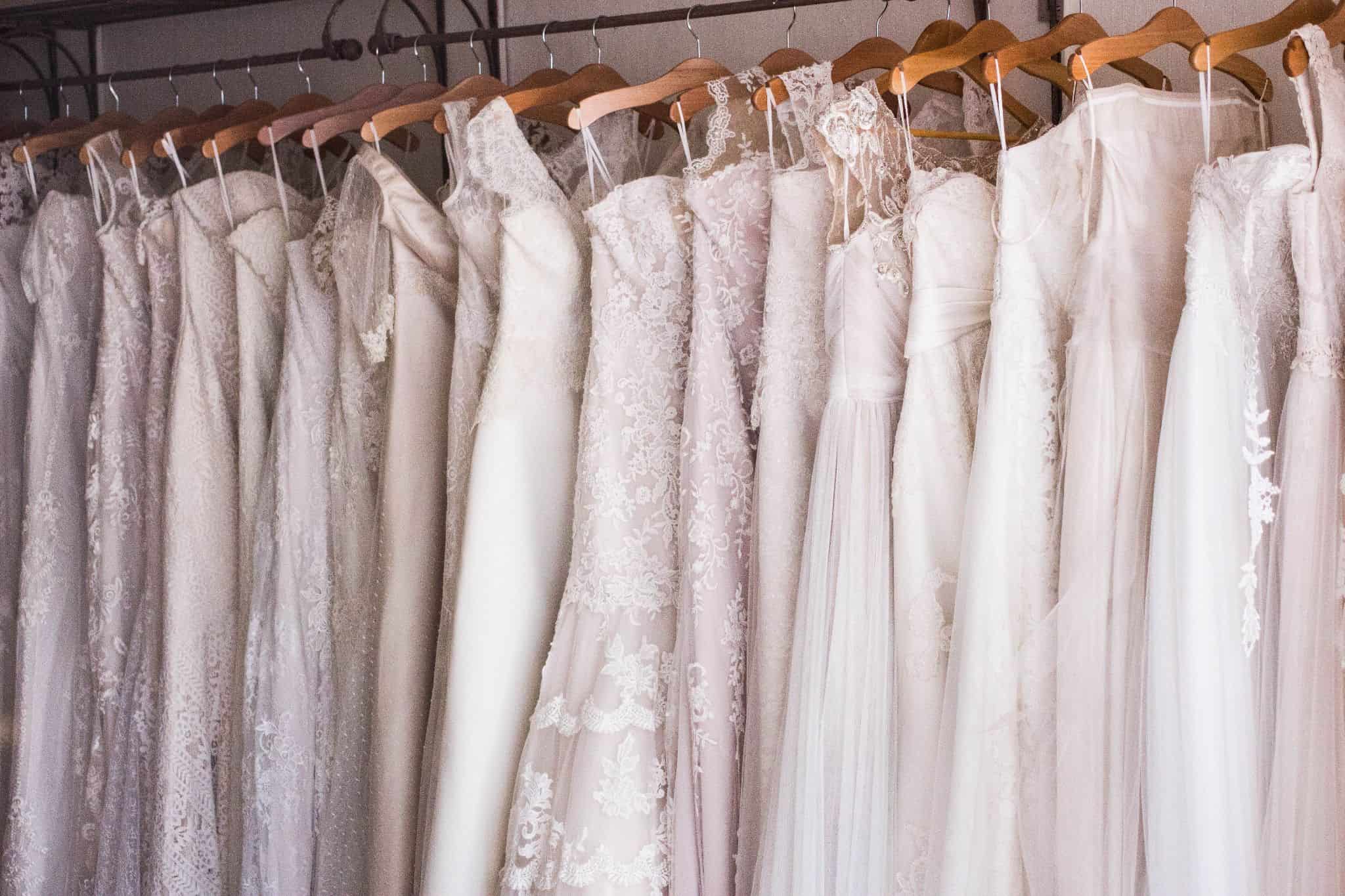
The average bride spends 11 months searching for her wedding dress, according to The Knot’s 2026 Real Weddings Study—and she tries on an average of 7 gowns before saying yes. That timeline begins long before the first appointment, with a quiet fact most bridal shops don’t advertise: the gown hanging on the rack is often a size 10 sample pinned to fit a size 2 body, and what you order may not arrive for six months. The wedding dress industry operates on a different clock than the rest of retail, and understanding those mechanics before you walk into a salon is the difference between a calm, measured purchase and a panic buy that bleeds into the budget. Long before the white wedding dress became a global standard, brides wore their best dress, regardless of color. The tradition of white, as detailed in this history of the wedding dress, took hold after Queen Victoria’s 1840 wedding, and the commercial machinery built around that single garment now generates over $18 billion annually in the United States alone.
The True Cost of a Wedding Dress: Beyond the Price Tag
The Knot’s 2026 data places the national average wedding dress cost at $2,400, but that figure masks a wide band. Sample sales from designers like Amsale and Watters can drop that to $800, while a custom Monique Lhuillier construction pushes past $12,000. More critical than the ticket price are the costs the sample doesn’t cover: alterations, which typically add $300 to $700 depending on the complexity of lace placement and hem length; a bustle for the train; and structural undergarments that can themselves cost $150. Bridal salons often require a 50% to 60% deposit at order, with the balance due at pickup.
What many brides miss is that the price of a wedding dress rarely includes preservation. Post-wedding cleaning and boxing run $250 to $450, and skipping that step means yellowing within five years as sugar from champagne and invisible perspiration oxidize the fibers. The same principles that guide choosing a dress to flatter your silhouette apply whether you’re selecting a cocktail ensemble or a bridal gown—a point explored in this guide to cocktail dress silhouettes.
Silhouette Science: How Cut Transforms Proportion
A wedding dress silhouette does the heavy lifting of visual balance. Designers classify gowns into seven primary shapes: A-line, ball gown, mermaid, fit-and-flare, sheath, empire, and tea-length. The A-line, with its fitted bodice and gradually flaring skirt, remains the most universally flattering, chosen by 38% of brides in David’s Bridal’s 2026 internal sales data. The mermaid silhouette, which hugs the body from chest to knee before flaring, demands a level of movement restriction that surprises many first-time wearers—sitting requires practice.
The table below distills what each cut does optically, so you can read the room before you read the rack.
| Silhouette | Best For | Avoid If |
|---|---|---|
| A-line | Pear, hourglass, apple shapes; elongates the torso | Rarely a misfire, but very petite frames may feel swallowed |
| Ball gown | Hourglass, pear; creates dramatic waist definition | Short-waisted brides; the volume shortens the leg line |
| Mermaid | Hourglass, athletic builds; celebrates curves | Straight figures that want hip curve without padding |
| Fit-and-flare | Hourglass, pear; more forgiving than mermaid | Apple shapes that prefer less midsection emphasis |
| Sheath | Tall, slender, rectangle shapes | Anyone needing structural support or waist definition |
| Empire | Petite, pear, apple; raises the visual waist | Large busts—can look tented without expert darting |
Fabric That Lies: What Satin, Tulle, and Crepe Actually Do
Silk mikado, a blended heavyweight satin, anchors structured ball gowns and holds its shape through a 12-hour day. In contrast, silk charmeuse slinks and catches every nuance of the body beneath—beautiful on a hanger, unforgiving in daylight. Crepe, a matte fabric with slight crosswise stretch, has become the dominant choice among minimalist designers like Alyssa Kristin and Lela Rose because it moves like a second skin without the sheen of satin. Tulle, the netting that builds volume in skirts, varies wildly: soft Italian tulle drapes closer to chiffon, while stiff American tulle creates the rigid bell shape of a classic ball gown.
The fabric choice for a wedding dress also dictates the alteration timeline. Lace appliqués on illusion netting require hand-stitching that can take a seamstress 15 hours, which is why salons book final fittings no later than two weeks before the wedding date. A gown ordered in January for a June ceremony typically arrives in April, leaving a narrow window that disappears if the shipment is delayed.
The Fit Timeline: Why Last-Minute Alterations Fail
Bridal sizing runs two to three sizes smaller than ready-to-wear. A bride who wears a street size 6 will consistently measure as a 10 or 12 in a designer wedding dress. Shops order based on the largest measurement—bust, waist, or hip—not the average, which means almost every gown requires surgical-level tailoring. That process typically spans three fittings: the first to pin, the second to check, the third to perfect. Compressing those into a single month creates gowns that gap at the bust or puddle at the hem.
The 2026 WeddingWire survey found that 22% of brides who scheduled alterations fewer than four weeks before the ceremony reported significant stress related to fit. The most preventable mistake is buying a sample gown two sizes too large because the sale price was compelling. Tailors can reduce a wedding dress by two sizes, but beyond that, the original design lines distort and pattern matching on lace seams breaks.
The Second Dress Phenomenon: Reception Gowns and After-Party Shifts
A growing share of 2026 brides—34% according to Brides magazine’s annual poll—now purchase a second, shorter wedding dress for the reception. These gowns, often tea-length or mini, allow freedom for dancing and carry a substantially lower price point, averaging $400. Designers like BHLDN and Jenny Yoo have launched dedicated “second look” capsules in direct response. The trend parallels the South Asian tradition of multiple bridal outfits, though without the ceremonial transitions. Pre-wedding events like the haldi ceremony call for a different aesthetic entirely, and these haldi dress ideas illustrate how regional traditions layer color and meaning into the wider wedding wardrobe.
Sustainability in Bridal Fashion: Pre-Owned, Rented, and Recycled Options
A wedding dress worn for ten hours can sit in a box for decades. That reality has pushed the pre-owned market to a compound annual growth rate of 12% since 2022, with platforms like Stillwhite and Nearly Newlywed reporting a 40% increase in listings year over year. Rental services such as Rent the Runway’s bridal vertical now carry gowns from designers who once refused to participate in the sharing economy, including Vera Wang White and Temperley London. The carbon footprint of a single new wedding dress—approximately 22 kg of CO₂ equivalent according to the Green Bridal Study—drops to near zero for a rented or resold gown.
For brides who want a new dress with a smaller footprint, labels like Reformation and Wear Your Love produce made-to-order gowns from deadstock silk and organic cotton. The caveat: turnaround times stretch to 14 weeks, and custom alterations after delivery still apply.
Shopping Psychology: How to Avoid Decision Fatigue
Bridal stylists at Kleinfeld Bridal report that the ideal entourage size is two trusted voices. Groups of four or more produce what the store internally calls “opinion noise”—a scatter of conflicting reactions that often pushes the bride toward the safest, most anonymous choice rather than the gown she lingered on with her hand on the beaded bodice. Decision fatigue sets in after the fourth appointment, when every white dress begins to look identical. The antidote is a “stop clause” agreed upon in advance: a rule that you will purchase when a specific set of criteria is met, such as under-budget, on-timeline, and scoring an 8 or higher on a personal confidence scale.
This mental framework matters because the wedding dress decision feeds into a larger cascade of logistical choices. A complete checklist of things needed for completing a nice wedding places the gown at the center of a timeline that touches photography, venue lighting, and even meal timing—a late-arriving dress can delay the entire dinner service.
A wedding dress is the most photographed garment a woman will ever own, and the one she will spend the least time wearing. Every seam, every bead, every layer of crinoline exists for a day that lasts 18 waking hours and leaves behind a garment that will likely never be worn again. That knowledge, if held lightly, becomes the best filter for every choice that follows: it makes the case for renting instead of buying, for choosing the dress that feels like your own skin rather than a costume, and for budgeting not for the fantasy of the gown but for the reality of the person inside it.