Mold growth in your home can cause respiratory symptoms, aggravate allergies, and degrade indoor air quality. It can also result in structural damage to the walls and ceilings of your home. It is important to work with qualified professionals to quickly identify mold problems, inspect for hidden mold, and restore your home to a safe condition. Here are 6 simple steps you can take to prevent mold from growing inside your home:
Keep your house areas clean and dry
Maintaining a clean home is one of the best ways to prevent mold growth. Mold spores are naturally present in the air. Home cleaning can help prevent mold growth. Dusting, vacuuming, and sweeping expose surfaces to the air; this process helps keep mold spores from growing.
Mold may also grow on indoor surfaces that are damp. That is why keeping your house areas dry all the time is very important.
Vacuum carpets weekly
Carpet mold can be a big problem in some homes. This mold not only looks unattractive, but it can become so severe that it can even affect your health and pose a risk for asthma and allergies. That is why vacuuming is very important and should be done regularly.
If you want to prevent mold, you must vacuum your carpets at least once a week. This is not hard to do and can halve your cleaning time since the dirt and dust will not be resting on the carpet when you vacuum.
Open your windows
Good ventilation is necessary for controlling mold growth. Most of the mold growth inside our homes is caused by excess moisture.
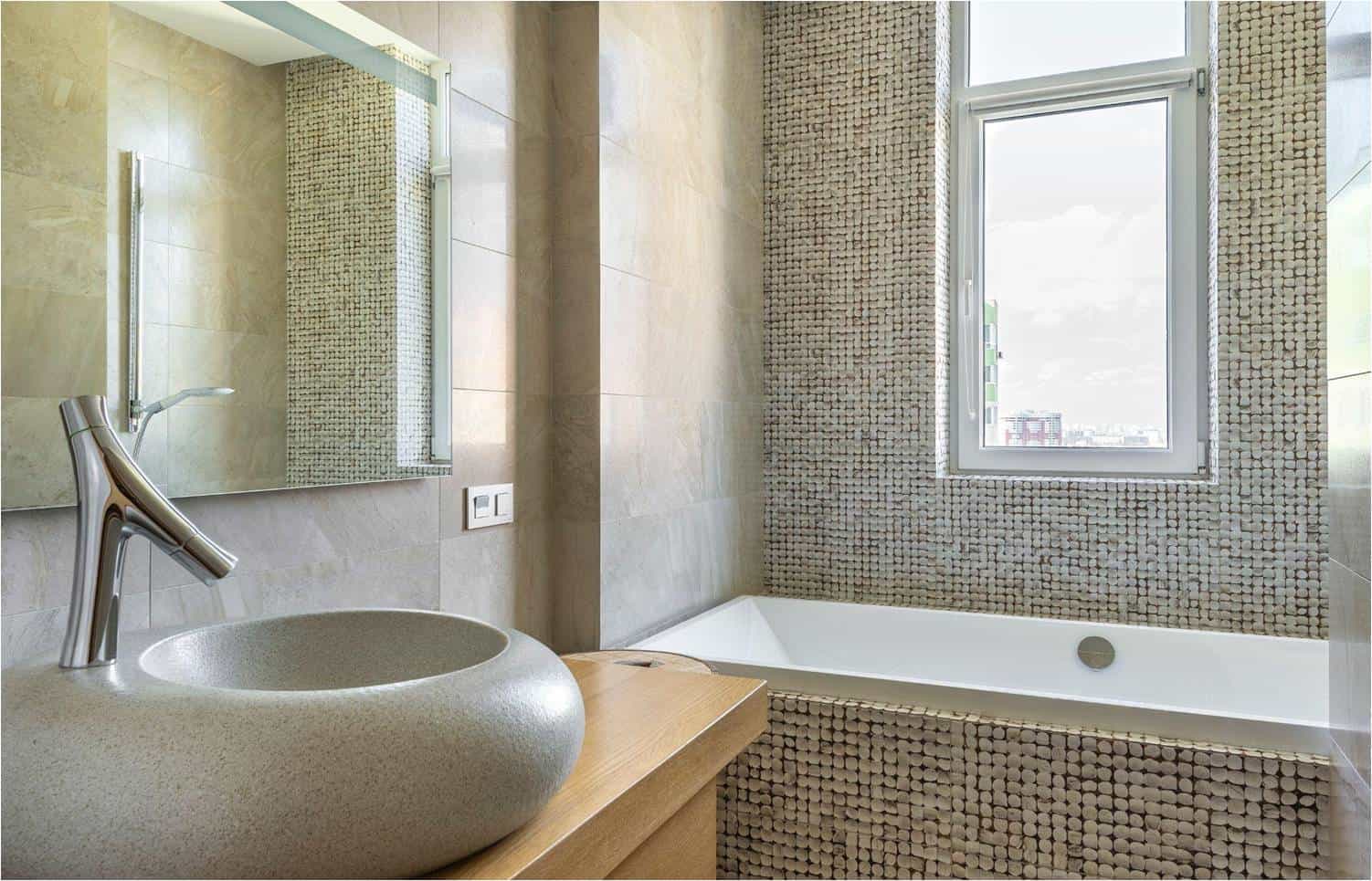
Mold typically thrives in moist, warm environments, such as bathrooms, kitchens, and basements. Opening a window in the bathroom when showering or bathing is a good way to let in the fresh air and reduce moisture in the bathroom.
Fix leaks right away
If you notice mold growing in your home, it is normally because you have plumbing leaks. Fix these leaks as soon as possible. Doing so will not only stop mold from spreading in that area, but also save you money on energy bills.
Discoloration and foul odor are among the top signs of mold growth in your home. If you notice a musty smell in a room, it probably means there is a leak in that area of your house, which needs to be fixed by a plumber right away.
Use ceiling fans
Air circulation around your home is an important part of keeping it healthy. Surrounding your ceiling with fans helps keep the air circulating, helping to prevent mold growth and allergens from collecting in the air. Ceiling fans are also a good solution for cooling off hot summer days.
Up to 40 percent of household mold can be found in your bathroom, but ceiling fans can help control humidity, reducing the chances of mold forming indoors.
Turn your air conditioning system on
One of the most important benefits of staying free of mold throughout your home is having clean air. Mold wants a nice, damp environment to grow, so if you have mold in your home, chances are it is living near leaks or open windows. Since air conditioning removes moisture from the air, it helps prevent mold growth by keeping your indoor air dry. Air conditioning creates a comfortable environment that is less likely to attract unwanted mold growth.
Upgrade your AC system for better indoor air quality
Upgrade your air conditioner today to operate with a better filtration system; do not hesitate to ask for the help of your trusted local HVAC company. You can get quality consultations today when you talk to the pros. Call a professional air conditioner repair now!
FAQs
How can keeping my house clean and dry prevent mold?
Maintaining cleanliness through dusting, vacuuming, and sweeping exposes surfaces to air, hindering mold spore growth. Keeping areas dry prevents damp conditions where mold thrives, improving overall indoor air quality and reducing health risks like allergies.
Why should I vacuum carpets weekly to avoid mold?
Vacuuming removes dirt and dust that can harbor mold, cutting cleaning time in half and preventing health issues such as asthma or allergies. Regular weekly vacuuming keeps carpets dry and unattractive to mold, especially in high-traffic areas.
How does opening windows help control mold growth?
Opening windows provides ventilation to reduce excess moisture, particularly in moist areas like bathrooms during showers. This lets in fresh air, curbing warm, damp environments where mold thrives in kitchens, basements, or bathrooms.
What should I do if I notice signs of mold from leaks?
Fix leaks immediately to halt mold spread and save on energy bills. Look for discoloration, foul odors, or musty smells indicating hidden leaks—call a plumber right away to address the source and prevent further structural damage.
How do ceiling fans and air conditioning prevent mold?
Ceiling fans circulate air to control humidity and prevent allergen buildup, especially in bathrooms where 40% of mold occurs. AC removes moisture for dry indoor air, creating an uncomfortable environment for mold near leaks or windows.