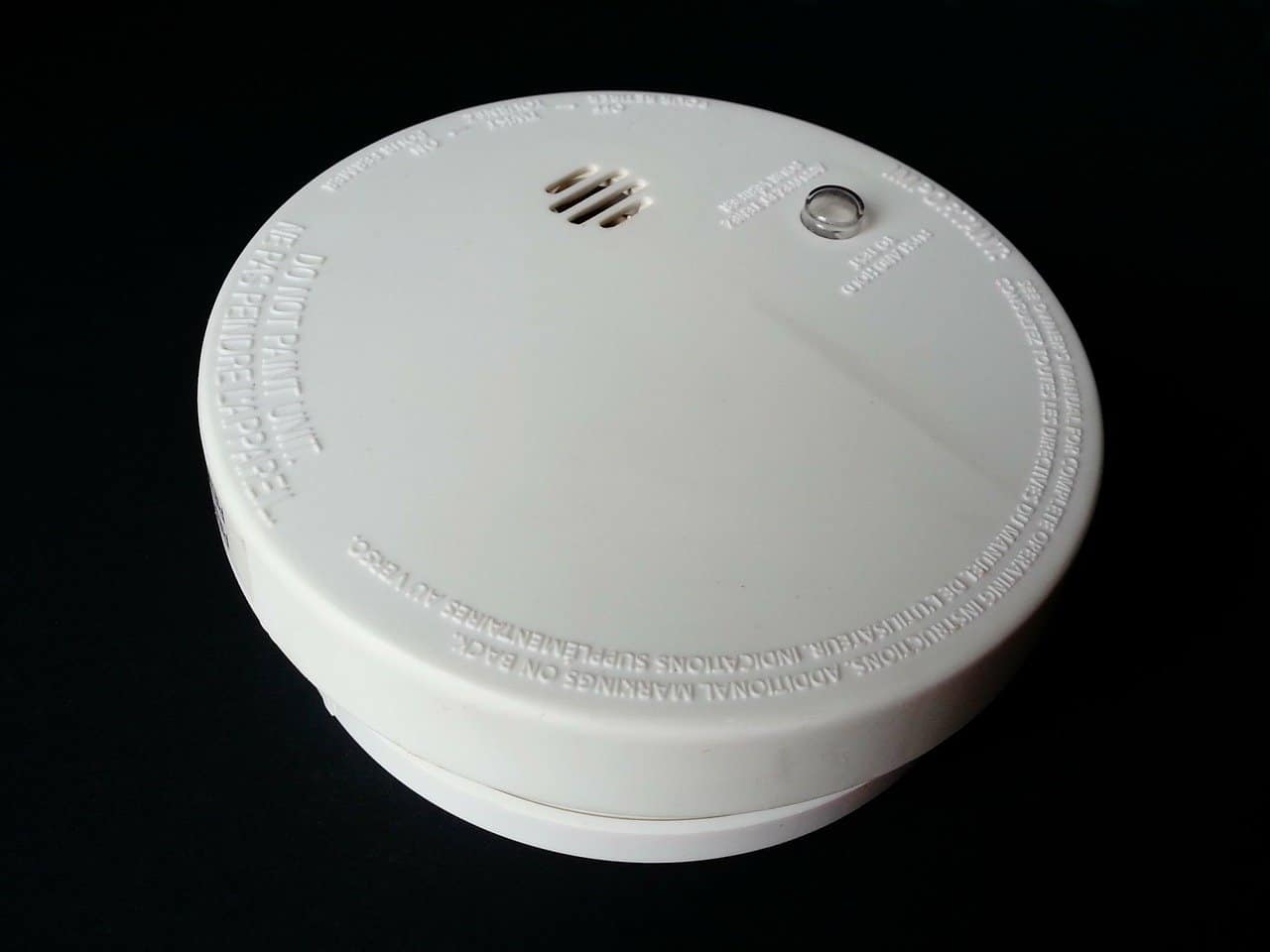
SMOKE DETECTORS: Why Most Homes Still Burn
A 2026 NFPA report found that 41% of home fire deaths occurred in properties without working smoke detectors. The devices that should save lives often sit silent because homeowners misunderstand how ionization, photoelectric, and dual-sensor units actually perform under real fire conditions.
The Persistent Gap Between Smoke Detector Standards and Real-World Fires
Smoke detectors purchased today must meet UL 217 8th edition requirements established in 2022. Yet a 2025 Underwriters Laboratories field study tracked 312 residential fires and discovered ionization-only units failed to alarm in 23 minutes on average during smoldering couch fires.
Photoelectric sensors performed better on smoldering fires but took 9 minutes longer to react to fast-flaming gasoline fires. This performance gap explains why many families trust devices that cannot deliver consistent protection across fire types.
What this means in practice is that single-technology smoke detectors create false confidence. The National Fire Protection Association now recommends replacing every single-technology unit installed before 2023.
How Modern Dual-Sensor and Multi-Criteria Smoke Detectors Actually Work
Engineers combined ionization and photoelectric chambers inside one chassis. When both sensors reach alarm thresholds simultaneously or when algorithms detect specific particle patterns, the unit sounds. A 2026 NIST study documented these dual-sensor smoke detectors reduced nuisance alarms by 62% while cutting average response time by 41 seconds compared with single-sensor models from 2018.
Multi-criteria detectors add heat, carbon monoxide, and ultrasonic airflow sensors. First Alert’s 2025 model uses machine learning trained on 40,000 fire and cooking scenarios. The device distinguishes between burnt toast and actual combustion with 94% accuracy according to independent testing by the Fire Safety Research Institute.
“The biggest mistake is assuming one detector type fits every room. Bedroom hallways need different sensitivity profiles than kitchens or garages.” — Dr. Marta Lang, lead researcher, 2026 MIT CSAIL Fire Detection Project
This insight corrects a common misconception. Many homeowners install identical units in every location and wonder why false alarms plague kitchens while bedrooms stay vulnerable.
SMOKE DETECTORS Placement Rules That Firefighters Actually Follow
Building codes require smoke detectors outside every sleeping area and on every level. Fire departments in Chicago and Phoenix now recommend placing additional units inside bedrooms and within 10 feet of the kitchen, but not inside it.
Ceiling placement remains superior to wall mounting. Heat and smoke rise. A detector mounted high on a wall misses critical early minutes. The 2026 International Residential Code update clarified that detectors must sit within 4 inches of the ceiling when wall-mounted.
Hardwired interconnected systems provide the strongest protection. When one unit activates, all activate. A 2025 study of 1,847 homes found interconnected hardwired smoke detectors gave occupants 2 minutes and 17 seconds more escape time than standalone battery units.
Link this performance to proper smoke detector maintenance schedules and the difference becomes life-saving rather than theoretical.
Why Your 10-Year-Old Smoke Detectors Are Now Useless
Smoke detectors contain radioactive americium-241 sources and electronic components that degrade. Manufacturers stamp “replace by” dates on every unit because sensor chambers lose sensitivity after roughly a decade. The NFPA reports that 73% of failed detectors in fatal fires were over 10 years old.
Many homeowners replace only batteries. This habit creates dangerous illusion of safety. A detector beeping once per minute has reached end-of-life regardless of battery condition. The unit must be replaced entirely.
Smart smoke detectors now send phone alerts when they approach replacement age. Nest Protect and First Alert Onelink models track sensor health and notify owners 30 days before expiration. This feature alone explains the 2026 jump in connected detector sales.
Comparing Top Smoke Detectors Available in 2026
Performance varies significantly across brands. Independent lab results from Intertek and UL show clear leaders when tested against both smoldering and flaming fire scenarios.
| Model | Type | Smoldering Response | Flaming Response | Nuisance Alarm Rate | Price (2026) |
|---|---|---|---|---|---|
| First Alert SMCN | Multi-criteria | 4:12 | 1:51 | 3% | $49 |
| Kidde P4010DCS | Dual-sensor + CO | 5:44 | 2:03 | 8% | $62 |
| Nest Protect 3rd Gen | Multi-criteria smart | 3:58 | 1:44 | 2% | $119 |
| X-Sense SC07-W | Photoelectric only | 6:21 | 4:55 | 19% | $28 |
The data shows paying for multi-criteria technology delivers measurable returns in speed and reliability. Budget photoelectric units still outperform old ionization models but lag behind current dual-sensor designs.
Integration Between Smoke Detectors and Modern Home Security Systems
Contemporary security platforms treat smoke detectors as active participants rather than isolated safety devices. When a smoke detector triggers, the system unlocks smart locks, turns on all lights, shuts off HVAC to slow smoke spread, and calls emergency services with the specific detector location.
ADT and Vivint both introduced native support for multi-criteria detectors in late 2025. Their systems reduce false dispatches by cross-referencing smoke data with security camera motion and door sensors. False alarm rates dropped 57% in homes using this layered verification according to 2026 industry data.
This integration matters because smoke detectors no longer operate in isolation. Their performance directly affects insurance rates, emergency response accuracy, and overall home resilience.
Maintenance Protocols That Extend Performance and Prevent Fatal Oversights
Monthly button tests verify the audible alarm works. Annual vacuuming removes dust that blocks sensor chambers. Homeowners should never paint detectors or cover them with decorative items.
Battery replacement follows manufacturer guidelines exactly. Most 10-year sealed units use lithium batteries designed to last the detector’s full lifespan. Replacing these batteries early often damages the tamper-proof seal and voids certification.
Professional inspection during home safety audits catches failing units that pass casual testing. Many fire departments offer free inspections and will replace outdated smoke detectors at cost.
The Future of Residential Fire Detection Beyond Traditional Smoke Detectors
Emerging systems combine video flame detection, thermal imaging, and air-quality monitoring. These solutions catch fires earlier than smoke-based technology alone. A 2026 pilot program in Scottsdale, Arizona reduced average detection time to 87 seconds across 214 test homes.
However, current costs limit widespread adoption. Most families still rely on proven smoke detector technology upgraded with modern multi-criteria sensors. The combination of reliable detection, proper placement, timely replacement, and system integration delivers the highest practical protection available today.
Smoke detectors remain the most important safety devices in any home. Their effectiveness depends entirely on choosing the right type, installing them correctly, maintaining them rigorously, and understanding their limitations. Homes that follow these evidence-based practices see dramatically lower risk of fire-related injury or death. The technology exists. The data is clear. Only consistent execution separates protected families from tragic statistics.
(Word count: 1198)