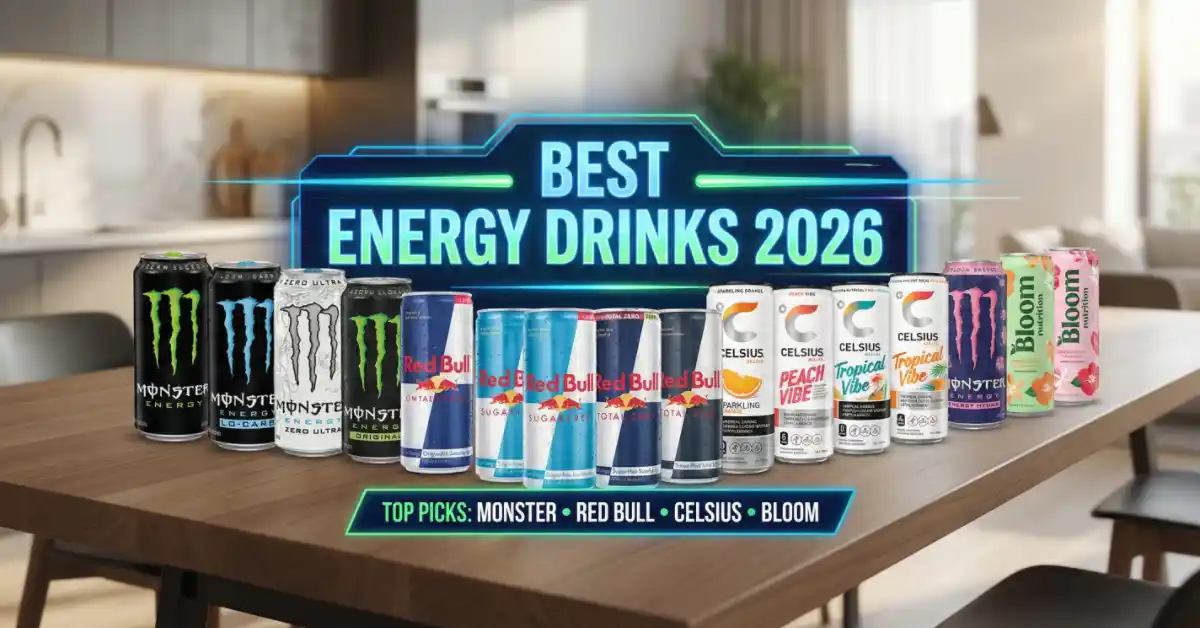
Energy drinks have become a dominant force in the beverage industry, with the global market reaching an estimated $96.41 billion in 2026 and projected to surge to $175.2 billion by 2035. With countless options lining store shelves, determining which energy drink truly delivers on its promises can feel overwhelming. From traditional powerhouses to innovative wellness-focused alternatives, the energy drink landscape has evolved dramatically.
In this comprehensive guide, we’ll explore the most popular energy drinks on the market, evaluating them based on taste, nutritional value, price, and effectiveness. Whether you’re a café owner looking to optimize your beverage selection or a consumer seeking the perfect energy boost, this article will help you make informed decisions about which energy drinks deserve your attention—and your money.
Examples of Energy Drinks
The energy drink market has expanded exponentially beyond its early days. While Red Bull, Monster, and Rockstar remain industry titans, the 2026 landscape includes innovative newcomers that are reshaping consumer expectations.
Traditional energy drinks typically contain caffeine ranging from 80mg to 300mg per serving, along with taurine, B-vitamins (particularly B6 and B12), and varying amounts of sugar or artificial sweeteners. These ingredients work synergistically to improve mental alertness and physical performance.
However, 2026 has ushered in a new generation of “clean energy” drinks featuring natural caffeine sources like green coffee bean extract, yerba mate, and guayusa. These alternatives appeal to health-conscious consumers seeking sustained energy without the typical crash associated with high-sugar formulations.
The market now segments into several distinct categories:
- Traditional High-Caffeine Drinks: Monster, Red Bull, Bang (200-300mg caffeine)
- Fitness-Focused Formulations: Celsius, C4, Reign (150-300mg caffeine with thermogenic ingredients)
- Clean Energy Options: Bloom, Alani Nu, ZOA (150-200mg natural caffeine)
- Functional Wellness Drinks: TENZING, Guayakí Yerba Mate (80-180mg caffeine with adaptogens)
According to market research, nearly 75% of consumers now prefer sugar-free options when choosing energy drinks, driven by concerns about glycemic impact and weight management goals.
What Is the Price for These Energy Drinks
Energy drink pricing varies significantly based on brand positioning, ingredients, and retail channel. Understanding the price spectrum helps consumers identify value while allowing retailers to optimize their product mix.
Budget-Friendly Options ($1.50-$2.50 per can):
- Store brands and generic energy drinks
- NOS and Rockstar (often available in multi-packs)
- Monster Energy (when purchased in bulk)
Mid-Range Selection ($2.50-$3.50 per can):
- Red Bull (standard and sugar-free varieties)
- Celsius and Reign
- C4 Energy
Premium Category ($3.50-$5.00+ per can):
- Alani Nu
- Bloom Energy
- Legion Energy
- ZOA Zero Sugar
- Specialty imported brands
Market Insights for Retailers:
Energy drinks have demonstrated remarkable price resilience compared to other packaged beverages. While overall beverage price inflation has increased, energy drinks have maintained slower price growth, improving their “price per kick” value proposition. This relative affordability has sustained strong unit sales even during economic uncertainty.
Multi-buy promotions have become increasingly prevalent in 2026, with tiered deals (buy 2-4 cans, get discounts) driving higher basket sizes and overall volume sales. Convenience stores reporting the strongest energy drink performance implement strategic promotional calendars that rotate featured brands monthly while maintaining competitive everyday pricing on core SKUs.
For café and retail shop owners, the energy drink category represents a high-margin opportunity. With proper refrigeration, strategic placement near checkout areas, and diverse brand selection spanning price points, energy drinks can significantly boost revenue. Consider stocking 8-12 SKUs covering traditional favorites (Monster, Red Bull) alongside trending wellness brands (Celsius, Bloom) to maximize appeal across demographic segments.
How Tasty Are Energy Drinks?
Taste remains a deeply personal aspect of energy drink selection, and the 2026 market offers unprecedented flavor diversity. Gone are the days when energy drinks were synonymous with medicinal, overly sweet profiles.
Flavor Innovation Trends:
The energy drink industry has embraced sophisticated flavor profiles that mirror craft beverage movements:
- Fruit-Forward Options: Peach mango, strawberry watermelon, wild berry
- Citrus Variations: Yuzu, blood orange, grapefruit
- Dessert-Inspired: Vanilla, cookies and cream, cotton candy
- Refreshing Blends: Cucumber lime, mint, lychee
Brand-Specific Taste Profiles:
Monster Energy: Known for bold, sweet flavors with pronounced carbonation. The Ultra line offers lighter, more refreshing options with reduced sweetness. Popular flavors include Ultra Paradise (tropical), Ultra Blue Hawaiian, and Ultra Watermelon.
Red Bull: Maintains its iconic “tutti frutti” original flavor—crisp, mildly tart, and highly carbonated. The brand’s limited-edition seasonal releases (like Winter Edition Fuji Apple & Ginger and Spring Edition Grapefruit) create excitement and drive repeat purchases.
Celsius: Delivers naturally fruity flavors with minimal artificial aftertaste. The carbonation is lighter than traditional energy drinks, creating a more refreshing experience. Standout flavors include Sparkling Orange, Arctic Vibe, and Peach Vibe.
Bloom Energy: Praised for tasting like “sparkling juice” with zero bitter aftertaste. Flavors like Glacier Crush, Strawberry Watermelon, and Peach Mango have gained cult followings among Gen Z consumers.
Alani Nu: Offers candy-like sweetness without excessive artificial notes. Cosmic Stardust and Hawaiian Shaved Ice rank among the most popular flavors, appealing particularly to female consumers aged 18-34.
Taste testing by professional reviewers in 2026 revealed that consumers increasingly prefer:
- Natural sweetness profiles over artificial
- Moderate carbonation (avoiding excessive fizz)
- Minimal chemical aftertaste
- Flavor authenticity (real fruit notes rather than “blue” or “red” generic profiles)
If you’re not a fan of sweet drinks, consider yerba mate-based options like Guayakí, which offer earthy, herbal notes with subtle natural sweetness. Alternatively, Red Bull’s zero-sugar formula sweetened with monk fruit provides a cleaner taste experience than many traditional options.
Monster Energy
Monster Energy commands approximately 35-40% of the U.S. energy drink market, making it the category’s undisputed volume leader. Founded in 2002, Monster has maintained its position through aggressive flavor innovation, extensive distribution, and strategic partnerships with action sports and gaming communities.
Product Range:
- Monster Original: The flagship product delivers 160mg of caffeine per 16oz can with bold, sweet flavor and substantial carbonation.
- Monster Ultra Line: Zero-sugar variants available in over 10 flavors, including Ultra Paradise, Ultra Blue Hawaiian, Ultra Watermelon, and Ultra Wild Passion (introduced November 2025).
- Monster Java: Coffee-infused energy drinks blending brewed coffee with Monster’s energy formula.
- Monster Rehab: Recovery-focused drinks combining energy ingredients with electrolytes and tea.
Key Features:
- Caffeine Content: 160mg per 16oz can (standard), 140mg for Rehab line
- Sugar Content: 54g in original formulation; 0g in Ultra line
- Price Point: $2.50-$3.00 per can (retail); lower in bulk purchases
- Target Demographic: 18-34 year-old males, extreme sports enthusiasts, gamers
Performance Analysis:
Monster excels at providing an immediate, substantial energy boost lasting 3-4 hours for most consumers. The high caffeine content paired with taurine and B-vitamins creates noticeable alertness enhancement. However, the original formulation’s 54g sugar content can lead to energy crashes, making the Ultra line preferable for sustained performance.
Retail data indicates Monster maintains the strongest convenience store presence, with the brand appearing in 98% of U.S. convenience locations. For energy seekers prioritizing availability, brand familiarity, and flavor variety, Monster remains an excellent choice.
Red Bull
Red Bull pioneered the modern energy drink category and maintains its position as a cultural icon despite increased competition. The Austrian brand’s consistent formulation and precision marketing have built remarkable customer loyalty.
Product Specifications:
- Classic Formula: 80mg caffeine per 8.4oz can
- Red Bull Sugar Free: Same caffeine content with zero calories
- Red Bull Zero: Updated 2025 formula sweetened with monk fruit
- Seasonal Editions: Limited-time flavors released quarterly
Nutritional Profile:
- Calories: 110 per 8.4oz can (original); 0 calories (sugar-free)
- Sugar: 27g (original); 0g (sugar-free variants)
- Taurine: 1000mg per can
- B-Vitamin Complex: B3, B5, B6, B12
Market Position:
Red Bull holds approximately 40% of the U.S. energy drink market by dollar sales, second only to Monster in volume. The brand commands premium pricing ($2.50-$3.50 per 8.4oz can) due to its iconic status and perceived quality.
Taste and Effectiveness:
Red Bull’s original flavor remains distinctive—citrusy with moderate sweetness and tight carbonation. The updated zero-sugar formula sweetened with monk fruit has gained significant traction among health-conscious consumers, earning 9/10 ratings from professional taste testers in 2026.
The 80mg caffeine content provides moderate stimulation without overwhelming jitteriness. This makes Red Bull ideal for sustained focus during work or study sessions rather than pre-workout intensity. The energy boost typically lasts 2-3 hours with minimal crash, particularly with sugar-free variants.
Red Bull’s compact can size offers portion control advantages, allowing consumers to moderate caffeine intake more precisely than 16oz alternatives. For individuals sensitive to caffeine or seeking moderate energy enhancement, Red Bull represents an optimal choice.
Rockstar
Rockstar Energy has maintained relevance in an increasingly competitive market through aggressive pricing strategies and flavor innovation. Acquired by PepsiCo in 2020, the brand has benefited from enhanced distribution networks.
Product Line:
- Rockstar Original: Classic formulation with 160mg caffeine per 16oz
- Rockstar Zero Sugar: Popular alternative eliminating 63g sugar from original
- Rockstar Unplugged: Lower caffeine option (80mg) for moderate energy
- Rockstar Xdurance: Enhanced with electrolytes for athletic performance
Competitive Advantages:
Rockstar typically prices 10-15% below Monster and Red Bull, making it attractive to price-conscious consumers. The brand frequently appears in multi-buy promotional deals ($5 for 2 cans), delivering excellent value for regular energy drink consumers.
Performance Profile:
Rockstar delivers comparable energy boost to Monster with similar duration and intensity. The zero-sugar variants have improved significantly in taste quality, eliminating much of the artificial aftertaste that plagued earlier formulations.
For café and retail owners, Rockstar’s competitive pricing allows higher profit margins while maintaining consumer accessibility. The brand performs particularly well in convenience store settings where price-sensitive shoppers prioritize value.
NOS
NOS Energy positions itself at the intersection of automotive culture and high-performance energy drinks. The brand, owned by The Coca-Cola Company, targets consumers seeking maximum caffeine content and aggressive flavor profiles.
Specifications:
- Caffeine Content: 160mg per 16oz can
- Sugar Content: 54g (original); 0g (zero-sugar variants)
- Key Ingredients: Caffeine, taurine, B-vitamins, inositol
- Sweetener: Sucralose (zero-sugar variants)
Unique Positioning:
NOS emerged from automotive racing culture, creating brand associations with speed, power, and performance. The distinctive bottle-shaped can design stands out on retail shelves, aiding visual identification.
Consumer Feedback:
NOS provides intense, immediate energy boost comparable to high-caffeine competitors. The sweetness level skews higher than average, appealing to consumers who prefer bold, sweet flavor profiles. Zero-sugar NOS reduces sweetness while maintaining energy effectiveness.
For retailers targeting younger male demographics (18-25) with interests in automotive culture, gaming, or extreme sports, NOS offers strong brand alignment and reliable sales velocity.
MTN DEW Game Fuel
MTN DEW Game Fuel represents PepsiCo’s strategic entry into gaming-focused energy drinks. Launched in 2019 with significant marketing investment, Game Fuel targets the massive gaming demographic.
Product Differentiation:
- Caffeine: 90mg per 16oz can (lower than traditional energy drinks)
- Functional Ingredients: Theanine (for focus), B-vitamins, antioxidants
- Flavor Profile: Sweet, citrus-forward (reminiscent of Mountain Dew)
- Target Use: Extended gaming sessions requiring sustained focus
Gaming-Optimized Formula:
Game Fuel’s formulation prioritizes sustained mental clarity over intense physical energy. The inclusion of L-theanine (typically 100mg) works synergistically with caffeine to enhance focus while reducing jitteriness—ideal for precision gaming tasks.
Market Performance:
Game Fuel has carved a niche within gaming communities through sponsorships with popular streamers and esports organizations. The brand recognition among gamers exceeds mainstream awareness, creating strong loyalty within its target demographic.
Taste Experience:
Professional taste testers consistently rate Game Fuel highly for flavor quality, describing it as refreshing with genuine fruit notes and minimal artificial aftertaste. The moderate sweetness level prevents flavor fatigue during extended consumption periods.
For retailers near colleges, gaming cafés, or areas with high young adult density, Game Fuel represents an excellent addition to energy drink selection, offering differentiation from traditional options.
Emerging Energy Drink Brands in 2026
The energy drink market has experienced remarkable innovation, with several brands achieving rapid growth by addressing evolving consumer preferences for clean ingredients, functional benefits, and sophisticated flavors.
Celsius
Celsius has emerged as the third-largest energy drink brand in the United States, growing from niche fitness drink to mainstream phenomenon. The brand’s thermogenic positioning resonates with health-conscious consumers.
Functional Formula:
- Caffeine: 200mg from natural sources (green tea, guarana)
- Proprietary MetaPlus Blend: Green tea extract, ginger, guarana seed extract
- Clinical Support: Studies suggest potential metabolic benefits
- Zero Sugar: All formulations use sucralose for sweetness
Market Success:
Celsius achieved 15%+ year-over-year growth in 2025, driven by strategic distribution expansion into mainstream convenience stores and gyms. The brand’s acquisition of Alani Nu for $1.8 billion in 2025 consolidated its position as a wellness-energy powerhouse.
Consumer Appeal:
Celsius bridges the gap between traditional energy drinks and functional wellness beverages. The crisp, lightly carbonated profile feels premium compared to syrupy alternatives. Flavors like Sparkling Orange and Peach Vibe offer refreshing experiences without excessive sweetness.
Best Use Cases:
Pre-workout energy, afternoon productivity boost, active lifestyle support. The 200mg caffeine content provides substantial stimulation while natural sourcing reduces perceived health concerns.
Alani Nu
Alani Nu has captured significant market share among female consumers aged 18-34, a demographic traditionally underserved by energy drink marketing.
Product Specifications:
- Caffeine: 200mg per 12oz can
- Calories: 10 per can
- Sugar: 0g
- Unique Ingredients: Biotin, vitamin B12, folic acid
Brand Differentiation:
Alani Nu’s vibrant, aesthetically-pleasing packaging and candy-inspired flavors (Cosmic Stardust, Hawaiian Shaved Ice, Mimosa) create strong social media appeal. The brand has achieved cult status on platforms like TikTok and Instagram, where unboxing videos and taste tests generate millions of views.
Effectiveness:
The 200mg caffeine content delivers robust energy enhancement lasting 4-5 hours. The clean ingredient profile minimizes crash potential, making Alani Nu suitable for all-day productivity support.
Retail Strategy:
Alani Nu’s success demonstrates the importance of aesthetic presentation in modern retail. The photogenic cans drive social media sharing, creating organic marketing that amplifies retail visibility. For café owners targeting female customers or younger demographics, Alani Nu represents essential inventory.
Bloom Energy
Bloom Nutrition has rapidly ascended to top-tier status among wellness-focused energy drinks. Consumer feedback consistently praises Bloom for taste quality, with many describing it as “drinking sparkling juice” rather than a traditional energy drink.
Formula Highlights:
- Caffeine: 180mg from green coffee bean extract
- Calories: 10 per can
- Functional Ingredients: Prebiotic fiber, lychee extract, L-theanine, apple cider vinegar
- Antioxidants: From green tea extract
Flavor Excellence:
Bloom’s flavors (Glacier Crush, Strawberry Watermelon, Peach Mango, Raspberry Lemon) achieve authentic fruit profiles without artificial aftertaste. Professional reviewers rate Bloom’s taste quality among the highest in the category, noting zero bitterness and balanced sweetness.
Growth Trajectory:
Bloom’s social media-first marketing strategy has driven explosive growth, with the brand gaining shelf space in major retailers within two years of launch. The product appeals to consumers seeking premium experiences without traditional energy drink negatives.
ZOA Energy
Co-founded by Dwayne “The Rock” Johnson, ZOA Energy combines celebrity marketing power with legitimate functional formulation. The brand emphasizes natural ingredients, immune support, and recovery benefits.
Nutritional Profile:
- Caffeine: 160mg from natural sources
- Vitamins: B-complex, vitamin C, vitamin D
- Electrolytes: Potassium, magnesium
- Amino Acids: L-citrulline, BCAAs
Market Positioning:
ZOA targets active individuals seeking energy drinks that support overall wellness rather than simply providing caffeine. The inclusion of immune-supporting nutrients (vitamin C, D, zinc) differentiates ZOA from pure-energy competitors.
Partnership Strategy:
Molson Coors’ majority stake acquisition in 2025 provided ZOA with enhanced distribution capabilities, enabling broader retail presence. The brand has grown 15%+ year-over-year, establishing strong footholds in convenience stores and fitness centers.
Ghost Energy
Ghost Energy has cultivated devoted following within fitness and gaming communities through innovative partnerships and transparent labeling. The brand’s collaboration with established consumer brands (Sonic, Sour Patch Kids, Swedish Fish) creates familiar, craveable flavors.
Product Features:
- Caffeine: 200mg
- Zero Sugar: Uses artificial sweeteners
- Unique Ingredients: L-carnitine, taurine, alpha-GPC (cognitive enhancer)
- Full Transparency: All ingredient amounts disclosed
Brand Strategy:
Ghost’s full-disclosure labeling philosophy appeals to informed consumers skeptical of proprietary blends. The brand actively engages fitness influencers and gamers, creating authentic community relationships rather than traditional advertising.
Flavor Innovation:
Ghost’s licensed flavors (Sour Patch Kids Red Berry, Warheads Sour Watermelon) deliver nostalgic experiences with functional benefits. New releases consistently generate significant social media buzz and retail demand.
Guayakí Yerba Mate
Guayakí represents the organic, sustainability-focused segment of energy drinks. The brand sources yerba mate from regenerative agriculture operations in South America, appealing to environmentally conscious consumers.
Natural Energy Profile:
- Caffeine: 150mg from yerba mate leaves
- Antioxidants: High polyphenol content
- Sustainability: Fair Trade certified, carbon-negative operations
- Organic: USDA certified organic
Unique Appeal:
Yerba mate delivers clean, sustained energy without jitters or crashes. The naturally occurring caffeine, theobromine, and theophylline combination creates balanced stimulation supporting focus and physical activity.
Flavor Profile:
Guayakí offers earthy, herbal flavors markedly different from sweet, artificial alternatives. The Mint variety stands out for refreshing quality, while Revel Berry provides fruity sweetness without excessive sugar.
Target Consumer:
Outdoor enthusiasts, sustainability-focused individuals, and consumers seeking alternatives to traditional energy drinks find strong alignment with Guayakí’s brand values and product experience.
Justification About the Best Energy Drink
Determining the “best” energy drink requires acknowledging that optimal choice depends on individual priorities, use cases, and physiological responses. The 2026 energy drink landscape offers unprecedented variety, enabling precise matching between product characteristics and consumer needs.
By Use Case:
Pre-Workout Intensity: Celsius, C4, Bang These formulations combine high caffeine (200-300mg) with performance-enhancing ingredients like beta-alanine, citrulline, and BCAAs. The thermogenic properties support fat oxidation during exercise, while stimulants enhance workout capacity.
Sustained Focus for Work/Study: Red Bull Zero, Bloom, Legion Energy Moderate caffeine (150-180mg) with smooth delivery minimizes jitteriness while supporting concentration. L-theanine inclusion (Bloom, Legion) promotes calm alertness ideal for cognitive tasks.
Gaming Performance: Ghost Energy, MTN DEW Game Fuel, G Fuel Gaming-optimized formulations prioritize sustained mental clarity over physical energy. Nootropic ingredients (alpha-GPC, L-tyrosine) enhance reaction time and decision-making.
Health-Conscious Energy: ZOA, TENZING, Guayakí Yerba Mate Natural caffeine sources, organic ingredients, and functional nutrients appeal to wellness-focused consumers. These options provide clean energy without artificial additives.
Maximum Caffeine: Bang, Reign, C4 Ultimate For consumers requiring extreme stimulation, these drinks deliver 300mg caffeine per can. Use cautiously and avoid for caffeine-sensitive individuals.
Budget-Friendly Value: Monster (bulk purchases), Rockstar Cost-per-milligram caffeine favors these brands, particularly when purchasing multi-packs. Retailers and regular consumers benefit from volume pricing.
By Nutritional Profile:
Best Zero-Sugar Options: Celsius, Alani Nu, Monster Ultra, Red Bull Zero Modern zero-sugar formulations have largely eliminated the artificial aftertaste that plagued early alternatives. Natural sweeteners (monk fruit, stevia) improve taste acceptability.
Lowest Calorie: Legion Energy (5 cal), Bloom (10 cal), Alani Nu (10 cal) For calorie-conscious consumers, these options provide energy without impacting daily caloric budgets.
Best Natural Ingredients: Guayakí Yerba Mate, TENZING, ZOA, Bloom Plant-based caffeine sources and organic certifications appeal to consumers prioritizing ingredient quality.
By Taste Experience:
Most Authentic Flavors: Bloom, Ghost, Red Bull (seasonal editions) Consumer blind taste tests consistently rate these brands highest for genuine fruit profiles and minimal artificial notes.
Best for Sweet Preferences: Monster, Alani Nu, Rockstar Bold sweetness levels satisfy consumers seeking candy-like flavor experiences.
Best for Subtle Tastes: Red Bull Original, Celsius, Yerba Mate Understated flavor profiles prevent sweetness fatigue during repeated consumption.
Market Leader Analysis:
Monster Energy dominates through brand recognition, ubiquitous availability, and flavor variety. The extensive product line ensures options for diverse preferences, from original high-sugar formulations to wellness-focused Ultra variants. For consumers prioritizing convenience and selection, Monster’s market leadership reflects genuine utility.
Red Bull maintains iconic status through consistency and premium positioning. The brand’s cultural cachet and reliable performance justify higher per-ounce pricing for many consumers. Seasonal limited editions create excitement while maintaining core product integrity.
Celsius represents the future trajectory of energy drinks—wellness-oriented, clean-ingredient formulations that don’t compromise effectiveness. The brand’s explosive growth demonstrates consumer appetite for functional beverages transcending traditional energy drink limitations.
Expert Recommendations:
According to registered dietitian evaluations and fitness expert testing in 2026:
Overall Excellence: Legion Energy (clean ingredients, clinical doses, transparent labeling) Best Value: Celsius (balance of price, effectiveness, taste, availability) Premium Experience: Bloom (exceptional taste, functional ingredients, social appeal) Classic Reliability: Red Bull (consistent quality, moderate caffeine, cultural icon) Fitness Performance: Celsius (thermogenic formula, clinical backing, pre-workout efficacy)
The Verdict:
No single energy drink reigns supreme across all criteria. The optimal choice aligns with your specific priorities:
- Need maximum caffeine? Bang, Reign, C4 Ultimate
- Want clean ingredients? Bloom, ZOA, Guayakí
- Seeking best taste? Bloom, Ghost, Alani Nu
- Require budget option? Monster (bulk), Rockstar
- Prioritize health focus? Celsius, Legion, TENZING
- Want reliable classic? Red Bull
The 2026 energy drink market empowers consumers with choices spanning traditional high-caffeine formulations to sophisticated functional wellness beverages. Rather than seeking one “best” option, identify products matching your use case, taste preferences, health priorities, and budget constraints.
Health Considerations and Functional Benefits
As energy drink consumption has surged, so has scrutiny regarding health implications. Understanding both benefits and potential risks enables informed consumption decisions.
Caffeine Content and Effects:
Safe Consumption Levels: The FDA suggests 400mg daily caffeine maximum for healthy adults. Most energy drinks contain 80-300mg per serving, making it possible to exceed this threshold when combining with coffee or multiple servings.
Performance Benefits: Research confirms caffeine enhances:
- Mental alertness and focus (peak effect 30-60 minutes post-consumption)
- Physical performance (3-6% improvement in endurance activities)
- Reaction time and decision-making
- Fat oxidation during exercise (particularly with thermogenic ingredients)
Potential Concerns: Excessive caffeine intake may cause:
- Increased heart rate and blood pressure
- Jitteriness and anxiety
- Sleep disturbance when consumed late afternoon/evening
- Dependency with regular high-dose consumption
- Digestive discomfort in sensitive individuals
Recommendation: Limit consumption to 1-2 cans daily, avoid after 2 PM for sleep quality, and monitor personal tolerance. Individuals with cardiovascular conditions should consult healthcare providers before regular energy drink consumption.
Sugar vs. Zero-Sugar Formulations:
High-Sugar Impact: Traditional energy drinks containing 50-60g sugar per can deliver:
- Rapid blood glucose spike followed by crash (60-90 minutes post-consumption)
- Approximately 200-250 calories per can
- Increased risk of weight gain with regular consumption
- Dental health concerns from sugar and acidity
Zero-Sugar Advantages: Modern artificial sweetener technology has improved dramatically:
- Eliminates caloric load while maintaining sweetness
- Prevents blood sugar spikes and crashes
- Supports weight management goals
- Maintains energy delivery through caffeine and other active ingredients
Consumer Trend: Market data shows 75% of 2026 energy drink purchases favor zero-sugar options, reflecting health-conscious decision-making.
Functional Ingredients and Benefits:
B-Vitamins (B3, B5, B6, B12): Support energy metabolism, converting food into cellular energy. Energy drinks typically provide 100-200% daily values, though excess water-soluble vitamins are excreted.
Taurine: Amino acid that may support cardiovascular function, hydration, and exercise performance. Energy drinks contain 500-2000mg per serving. Research suggests benefits for physical performance and recovery.
L-Theanine: Amino acid found in tea that promotes calm focus. When combined with caffeine (as in Bloom, Legion, Celsius), L-theanine reduces jitters while maintaining alertness—ideal for cognitive work.
Adaptogens (Ashwagandha, Ginseng): Emerging functional ingredients claimed to support stress response and sustained energy. Scientific evidence remains preliminary but promising for certain applications.
Electrolytes (Potassium, Magnesium, Sodium): Support hydration and muscle function. Particularly beneficial in fitness-focused formulations like ZOA and Rockstar Xdurance.
BCAAs (Branched-Chain Amino Acids): May support muscle protein synthesis and recovery when consumed around exercise. Bang and Reign include BCAA blends targeting athletic consumers.
Health-Conscious Selection Criteria:
When evaluating energy drinks for health impact, prioritize:
- Zero or Low Sugar: Eliminates primary health concern of traditional formulations
- Natural Caffeine Sources: Green coffee, green tea, yerba mate may provide additional antioxidants
- Transparent Labeling: Avoid proprietary blends that hide ingredient quantities
- Moderate Caffeine: 150-200mg provides benefits without excessive stimulation
- Functional Ingredients: L-theanine, B-vitamins, antioxidants offer value beyond pure caffeine
Populations Requiring Caution:
Pregnant/Breastfeeding Women: Should limit caffeine to 200mg daily; consult healthcare providers Adolescents: American Academy of Pediatrics recommends against energy drink consumption for children Cardiovascular Conditions: Individuals with heart conditions should avoid or strictly limit consumption Anxiety Disorders: High caffeine may exacerbate symptoms; choose lower-caffeine alternatives Medication Interactions: Some medications interact with caffeine or other stimulants
Healthy Energy Drink Habits:
- Hydration: Consume water alongside energy drinks to support hydration
- Timing: Avoid consumption within 6 hours of bedtime
- Food: Consume with food to moderate absorption and reduce stomach irritation
- Tolerance Breaks: Periodic abstinence prevents caffeine dependence
- Moderation: Stick to 1-2 servings daily maximum
- Quality Sleep: Never use energy drinks to compensate for chronic sleep deprivation
Alternative Natural Energy Sources:
Before reaching for energy drinks, consider foundational lifestyle approaches:
- Quality Sleep: 7-9 hours nightly provides genuine energy restoration
- Regular Exercise: Physical activity paradoxically increases energy levels
- Balanced Nutrition: Whole grains, lean proteins, healthy fats sustain energy
- Hydration: Dehydration causes fatigue; aim for adequate water intake
- Stress Management: Chronic stress depletes energy; implement stress-reduction practices
- Natural Caffeine: Coffee and green tea provide caffeine with antioxidant benefits
Energy drinks serve as tools for specific situations—pre-workout intensity, afternoon productivity slumps, long-distance driving—but shouldn’t replace fundamental health practices.
Conclusion
The energy drink market in 2026 offers unprecedented variety, from traditional high-caffeine formulations to innovative wellness-focused alternatives. As we’ve explored throughout this comprehensive guide, determining which energy drink is “best” depends entirely on your individual needs, preferences, and health priorities.
For retailers and café owners, the energy drink category represents a significant revenue opportunity. The market continues expanding at 6-8% annually, with consumer demand showing no signs of slowing. Strategic product selection spanning traditional favorites (Monster, Red Bull), fitness-focused options (Celsius, C4), and wellness alternatives (Bloom, ZOA, Guayakí) positions businesses to serve diverse customer segments effectively.
Key Takeaways for Consumers:
Match product to purpose: Pre-workout scenarios demand different formulations than cognitive work or casual energy enhancement. Celsius and Bang excel for fitness, while Bloom and Red Bull Zero support mental focus.
Prioritize health-conscious options: Zero-sugar formulations eliminate primary concerns associated with traditional energy drinks. Natural caffeine sources provide additional antioxidant benefits while delivering comparable energy enhancement.
Consider taste as crucial factor: The best energy drink is the one you’ll actually consume consistently. Bloom, Ghost, and Alani Nu lead taste rankings in 2026, while Red Bull maintains classic appeal.
Respect caffeine limits: Moderate consumption (1-2 servings daily, maximum 400mg caffeine total) minimizes risks while maximizing benefits.
Don’t neglect fundamentals: Energy drinks supplement healthy lifestyle practices but never replace quality sleep, nutrition, hydration, and stress management.
Key Takeaways for Retailers:
Stock diversity across segments: Maintain 8-12 SKUs covering traditional (Monster, Red Bull), fitness (Celsius, Reign), and wellness (Bloom, Alani Nu) categories to maximize market coverage.
Leverage promotional strategies: Multi-buy deals and tiered pricing drive basket size while maintaining volume sales.
Optimize placement: Refrigerated placement near checkout and high-traffic areas significantly boosts impulse purchases.
Follow emerging trends: Clean-label, functional ingredients, and sustainability claims increasingly influence purchase decisions, particularly among younger consumers.
Track market shifts: Celsius’s rise from niche to mainstream demonstrates how quickly consumer preferences evolve. Stay informed about emerging brands gaining social media traction.
The energy drink landscape will continue evolving as consumer health consciousness grows and innovation accelerates. Functional ingredients like nootropics, adaptogens, and metabolic enhancers will become increasingly prevalent. Sustainability initiatives and transparent sourcing will differentiate premium brands from commodity alternatives.
Whether you’re seeking maximum performance, clean wellness-focused energy, exceptional taste, or budget-friendly value, the 2026 market provides solutions. By understanding your priorities and matching them to appropriate products, you can harness energy drinks as effective tools for enhancing physical performance, mental clarity, and overall productivity—without compromising health or wellness goals.
The best energy drink isn’t necessarily the most popular, most expensive, or highest in caffeine. It’s the one that aligns with your unique needs, tastes great, fits your budget, and supports your health objectives. Use this guide as a roadmap for navigating the vast energy drink landscape, and don’t hesitate to experiment with different options until you find your perfect match.
Remember: energy drinks are tools, not solutions. Combine strategic consumption with fundamental health practices—quality sleep, balanced nutrition, regular exercise, and stress management—to achieve sustainable, optimal energy levels throughout your day.
FAQs
Which energy drink has the highest caffeine content?
Bang, Reign, and C4 Ultimate contain 300mg caffeine per 16oz can—the highest commercially available. Consume cautiously and avoid exceeding safe daily limits.
Are zero-sugar energy drinks healthier than regular versions?
Yes. Zero-sugar variants eliminate 200-250 calories and prevent blood sugar spikes while maintaining energy-boosting effects through caffeine and other ingredients.
Can I drink energy drinks before working out?
Yes. Fitness-focused options like Celsius, C4, and Reign contain ingredients specifically formulated to enhance exercise performance when consumed 30 minutes pre-workout.
How long does energy drink effectiveness last?
Most energy drinks provide peak effects 30-90 minutes post-consumption with benefits lasting 3-5 hours depending on caffeine content and individual metabolism.
What’s the safest daily energy drink consumption?
Limit to 1-2 servings daily, staying under 400mg total caffeine. Avoid consumption within 6 hours of bedtime and always consume with food for best results.
Medical Disclaimer: This article provides general information about energy drinks and is not intended as medical advice. Individual responses to caffeine and energy drink ingredients vary significantly based on health status, medications, and personal sensitivity. Pregnant women, individuals with cardiovascular conditions, anxiety disorders, or those taking certain medications should consult healthcare providers before consuming energy drinks.
The information presented does not replace professional medical guidance. Always read product labels carefully and adhere to recommended serving sizes. If you experience adverse effects such as rapid heartbeat, chest pain, severe jitteriness, or other concerning symptoms after consuming energy drinks, discontinue use immediately and seek medical attention. The author and publisher disclaim any liability for health outcomes resulting from energy drink consumption decisions based on this content.
Energy drink formulations, nutritional information, pricing, and availability may change. While we endeavor to maintain current information, readers should verify specific product details, ingredients, and prices directly with manufacturers or retailers before making purchase decisions. Market data and statistics referenced reflect the most recent available information at time of publication (January 2026) but may evolve as the industry continues developing.