A used-car listing can look convincing even when the mileage, trim, or title information belongs to a different vehicle. A vehicle identification number, or VIN, gives you a way to check that the car in front of you is the one described in the paperwork. Once you have the right number, you can use it to decode the vehicle and look up records tied to it.
A VIN check before buying a used car involves several steps. A decoder helps identify the vehicle. A history report can flag title and odometer records. An inspection helps you assess the car’s condition today. Use each check to answer the question it can actually resolve.
Start Your VIN Check Before Buying a Used Car
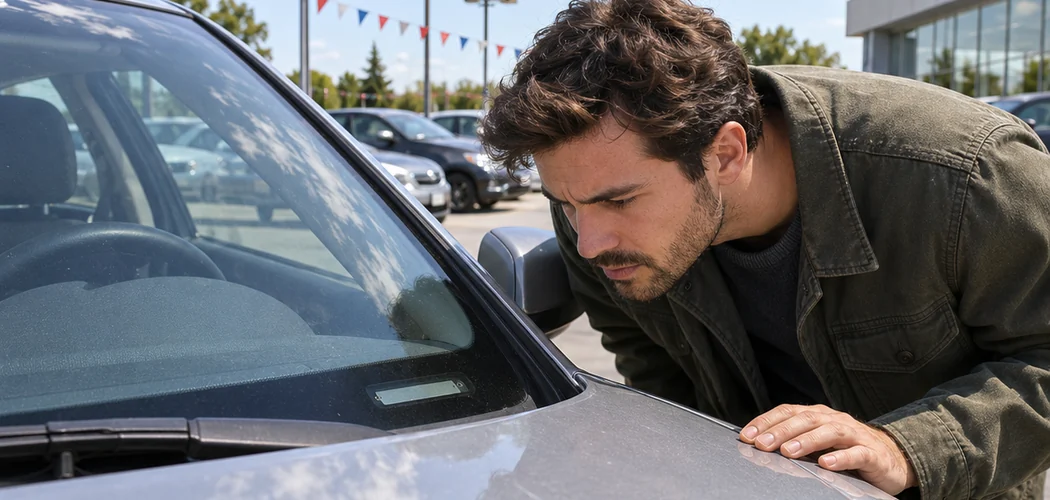
Look through the windshield on the driver’s side for the VIN plate near the dashboard. Check the manufacturer label in the driver’s door opening if it is available. Compare the number with the title or electronic title documentation, the seller’s listing, and any report the seller has provided.
Read each character from the car rather than copying the listing. If a character is hard to see, ask for a clear photo or check it in daylight. For most U.S. vehicles from model year 1981 onward, expect a standard 17-character VIN. Older vehicles can have identifiers that a modern decoder does not handle.
If the listing is off by one character, ask the seller to correct it and run a fresh report. If the title shows a different VIN from the vehicle, pause the purchase until the discrepancy is resolved through the appropriate title office. The explanation may be a data-entry error, but you need documentation that ties the title to the car.
Decode the Vehicle and Compare It With the Listing
Use the NHTSA VIN Decoder to see information encoded in the number. Compare the reported model year, make, model, and any available engine or body details with the listing. Depending on the vehicle, the decoder may leave some fields blank or list several possibilities. Confirm trim and equipment on the vehicle and its documentation.
For example, a listing may advertise an all-wheel-drive model while the information you can verify points to a front-wheel-drive version. Ask the seller to identify the vehicle’s configuration and show where the listing got its description. Check the specific features that affect your decision, such as seating, drivetrain, or towing equipment. A photo of a badge alone may be insufficient to verify an option.
The digits and letters help identify the vehicle as manufactured. Later events such as a title brand, mileage entry, insurance total loss, or collision repair are recorded separately when they are reported. That is why entering a VIN into a decoder and buying a history report answer different questions.
Check Title Brands, Mileage, and Total-Loss Records
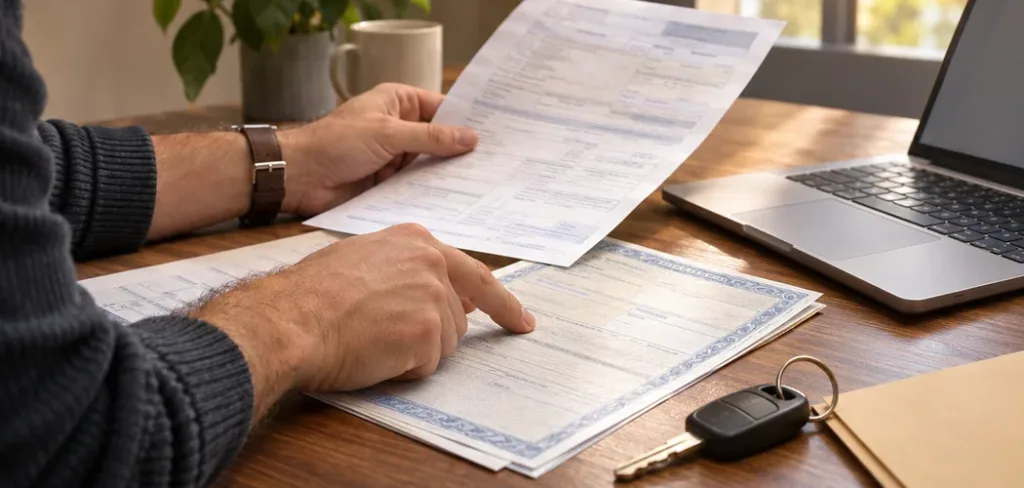
The U.S. Department of Justice’s NMVTIS consumer guide explains what its vehicle history records cover and directs readers to approved providers. Review what the provider includes and what it charges before ordering. A free decoding result can appear alongside a separate paid history product.
| Report item | What to compare |
|---|---|
| Title information | Compare the VIN and title details with the documentation the seller can provide. |
| Title brands | Look for recorded designations such as salvage, junk, or flood. Ask for records explaining the designation and any later repairs. |
| Odometer entries | Compare the dates and readings with the dashboard, service invoices, and inspection records. |
| Junk, salvage, or total-loss entries | Ask what happened and whether repair records and photographs are available. Confirm any registration or insurance questions before buying. |
| Gaps in the record | Ask for dated service or ownership documentation that can help explain the missing period. |
Read the report as a timeline. If the car showed 110,000 miles two years ago and the dashboard shows 85,000 today, start by checking whether both records match the VIN and use the same unit. Ask for dated service records and documentation for any instrument cluster replacement. A single discrepancy can have several explanations. Get an explanation you can verify before setting a price.
A report without a damage entry cannot rule out unreported collisions or repairs. NMVTIS does not provide a detailed repair history. A seller’s maintenance folder and a mechanic’s inspection can help fill some of those gaps.
Arrange an Independent Prepurchase Inspection
Choose a mechanic you trust and tell them what you already know. Bring the VIN, the listing, and the report. If the paperwork mentions a previous repair or a mileage discrepancy, point it out before the appointment so the mechanic can focus on the relevant area.
Ask for a written summary of what needs attention now and what may need work soon. Routine wear, such as tyres near replacement, can affect the price you are willing to pay. A serious unresolved problem can change whether the car fits your needs at all. Use the inspection findings together with the title and history records.
If the seller cannot accommodate an inspection immediately, ask whether there is another time or an independent mobile inspection option. Keep any deposit and refund conditions in writing. If you cannot verify a material claim about the vehicle, leave room to walk away.
A Final Checklist Before You Pay
- Match the VIN on the vehicle to the listing and title paperwork.
- Decode the VIN and verify the equipment you are paying for.
- Run a history report through an approved provider and check the date of the report.
- Review mileage in order, and ask for documents that explain inconsistencies.
- Check open recalls through NHTSA’s recall lookup, which serves a different purpose from the decoder.
- Get an independent inspection and discuss any unresolved findings with the seller.
Keep a copy of the report, inspection, and paperwork you relied on. If a mismatch remains, resolve it before money changes hands. The strongest used-car decision comes from records that agree with each other and with the car you inspected.