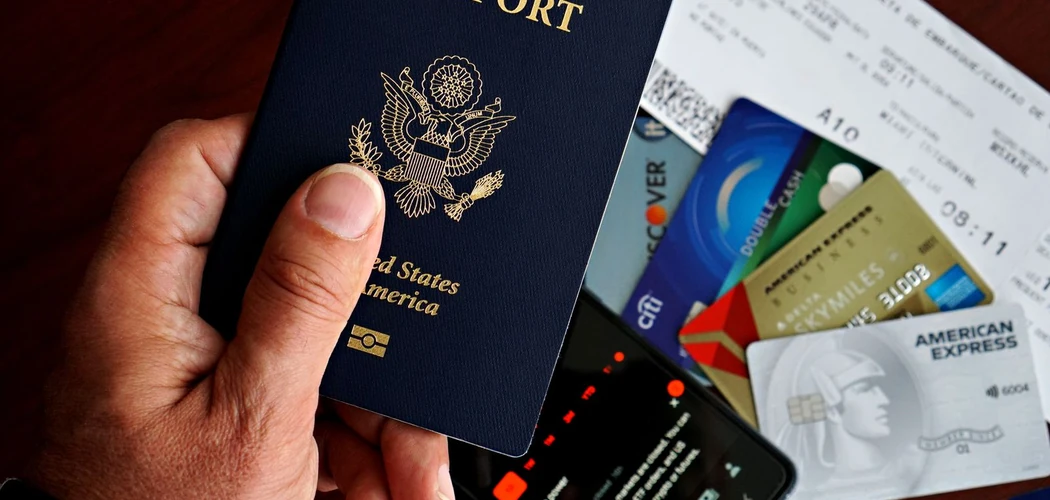
The U.S. K-1 fiancé visa process starts with a petition filed by the U.S. citizen. The foreign fiancé then applies for the visa and, if admitted to the United States in K-1 status, must marry the petitioner within 90 days of arrival. Applying for permanent residence after marriage is a separate step. Each stage has its own paperwork, and a document that answers one agency’s question may serve a different purpose later.
Many mistakes come from treating these stages as one application. A couple may start filling out a visa form before the petition is approved or assume the marriage deadline starts when the consulate issues the visa. Others gather evidence for the initial petition but leave themselves too little time to obtain the civil documents requested by the embassy. Working from the instructions for each stage can prevent those misunderstandings.
U.S. K-1 fiancé visa mistakes at each stage
| Stage | Who acts | What to verify |
|---|---|---|
| Petition | The U.S. citizen files Form I-129F with USCIS. | Check the current form, filing instructions, eligibility rules, and required evidence. |
| Visa application | The foreign fiancé follows instructions from the assigned U.S. embassy or consulate. | Complete DS-160, gather required records, and follow local interview and medical instructions. |
| Travel and entry | The visa holder applies for admission at a U.S. port of entry. | Check the printed visa expiration date and keep a record of the actual admission date. |
| Marriage and adjustment | The couple marries within 90 days of admission. The foreign spouse can then apply to adjust status. | Keep proof of the legal marriage and prepare the separate adjustment application and financial documentation. |
The State Department’s K-1 visa guide explains the consular stage and what happens after USCIS approves the petition. The assigned embassy or consulate can give additional instructions, including document and interview requirements. Check those instructions for the post handling your case.
1. Filing before you understand the eligibility rules
The U.S. petitioner must be a citizen. Both partners must be legally free to marry when the petition is filed and remain so. If either was previously married, collect the final decree, annulment or death certificate that shows how that marriage ended. An informal separation or a pending divorce can leave a person legally married.
Generally, you must have met in person at least once in the two years before filing Form I-129F. Count backward from the intended filing date. If your last visit was close to the two-year cutoff, check the actual dates before relying on a trip to meet the rule. Travel confirmations, dated photos and other records can help document when and where you met.
USCIS can waive the meeting requirement in limited cases, including extreme hardship to the U.S. citizen petitioner or a conflict with strict, long-established customs of the foreign fiancé’s culture or social practice. The USCIS Form I-129F instructions describe the conditions and the supporting evidence. A long-distance relationship or a preference to avoid travel does not by itself establish one of those grounds.
If you have already married, check the options for a spouse before starting a fiancé petition. The routes start from different facts and use different paperwork. For broader background, see NetworkUstad’s overview of U.S. marriage and family immigration topics.
2. Submitting inconsistent records or relying on volume
Compare each person’s name, dates and address history across the forms and underlying documents. For example, a person may use one surname socially and another on a passport. An older civil record may use a different transliteration. Enter the information as directed on each form and account for relevant variations where the instructions call for them.
Build a simple timeline before collecting relationship evidence. Note the date you met, visits you made, and any previous marriages and their end dates. Then pair important events with records that support them. If you use a photograph from a visit, identify the people, location and approximate date where useful. A smaller set of clear records can be easier to interpret than a large collection of unlabeled screenshots.
Check the current USCIS form edition, filing fee and address before sending the petition. Keep a complete copy of what you file. If an agency requests additional evidence, read the request in full and respond to the specific items by the stated deadline. A discrepancy may need an explanation or a correction. The agency’s notice determines what it is asking for and when it expects a response.
3. Using a generic interview checklist for every consulate
After approval, USCIS sends the petition to the National Visa Center, which forwards the case to the appropriate post. Follow the instructions you receive for the visa application and interview. The State Department’s general list includes a completed DS-160 with confirmation page, passport, civil records and other evidence. The post can specify which records are required, what form they must take, and how to arrange the appointment.
Check police certificates and translations early, especially if you have lived in more than one country or your records use more than one language. Confirm which documents must be originals or certified copies and which can be photocopies. A family member’s translation or a scan of a record may be inadequate if the post requires something else. Allow time for replacement documents or corrections if you find that dates or names differ.
The medical exam must be completed by a panel physician authorized for the visa process. Follow the post’s instructions on scheduling and bringing medical or vaccination records. At the interview, answer questions truthfully and ask for clarification if you do not understand a question. Reviewing your filing beforehand helps you recall dates and identify details that have changed. If an officer requests more documents, follow the instructions provided for your case.
4. Treating financial support as one test for the whole process
The financial questions at the visa interview differ from the requirements after marriage. At the consular stage, an officer may request Form I-134, Declaration of Financial Support. Check the post’s instructions for the evidence it wants to see and prepare any required supporting documentation.
At the later adjustment stage, the sponsoring spouse generally submits Form I-864, Affidavit of Support. That form has its own rules, including how to calculate household size and assess income. The State Department’s K-1 guide distinguishes the support standards associated with the two forms. Use the current form instructions and applicable poverty guidelines for the step you are preparing.
A recent job change, self-employment or a household with other dependents can make the paperwork harder to interpret. Start by establishing what income you can document and which people count for the relevant form. If you think you may need to document assets or get support from another sponsor, check what the applicable rules permit for that stage. A solution that may be available for adjustment of status should not be assumed to apply at the visa interview.
5. Mixing up visa expiration and the 90-day marriage deadline
The visa’s expiration date limits when its holder can use it to request admission. The State Department says a K-1 visa can be valid for up to six months from issuance. The date printed on the visa is the one to check before making travel arrangements. Admission is decided at the port of entry.
The 90-day marriage period starts when the visa holder is admitted to the United States. For example, if the visa is issued in January and the holder enters in March while the visa is still valid, the marriage period begins on the March admission date. Keep a copy of your admission record and check the legal steps for marrying in the place where you plan to hold the ceremony. Build in time to obtain a marriage license and complete the marriage within the federal deadline.
After marriage, obtain the official marriage certificate and prepare the separate adjustment filing. If plans change, the deadline passes, or you are considering leaving the country before adjustment is complete, get individualized legal advice before acting. The consequences depend on your status, travel and case history.
When it may help to consult a U.S. immigration lawyer
A lawyer can help identify which rules apply and where your records leave questions. A consultation can be useful if you may need an in-person meeting waiver, if a previous marriage is difficult to document, or if either person has a prior visa refusal, immigration violation or criminal record. Those facts can raise issues that a general checklist cannot resolve.
Ask what services a quoted legal fee includes. Some consultations cover an eligibility review. A separate engagement may include preparing the petition, reviewing interview documents, or responding to a government request. Confirm the scope in writing, including whether it extends to the adjustment application after marriage. Keep a copy of every document filed in your name even if counsel handles the submission.
Processing times and visa issuance restrictions can change. Check the latest notices from the State Department and the post handling the case, especially before booking nonrefundable travel or setting a wedding date. Use the visa’s actual dates, local instructions and written agency notices to plan the next step.
Legal information. This article provides general information about the U.S. K-1 process. Requirements, fees, visa issuance restrictions, and local instructions can change. For advice about your circumstances, consult a qualified U.S. immigration attorney. No attorney review has been confirmed for this article.