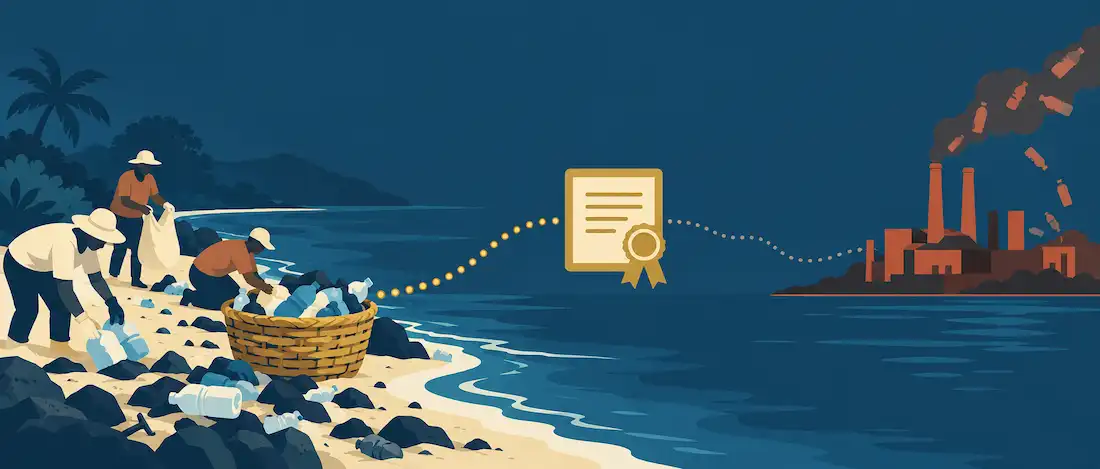
Plastic pollution is one of those problems big enough to feel unsolvable at the individual level. Verified Plastic Recovery (VPR) and plastic credits are a market-based attempt to make corporate plastic responsibility measurable — pay to fund real plastic removal, get a verified credit in return. The idea has real traction, real third-party certification bodies behind it, and real criticism from environmental groups who think it’s being oversold. Both things are true at once, and understanding the mechanism means understanding both sides.
What Verified Plastic Recovery Actually Means
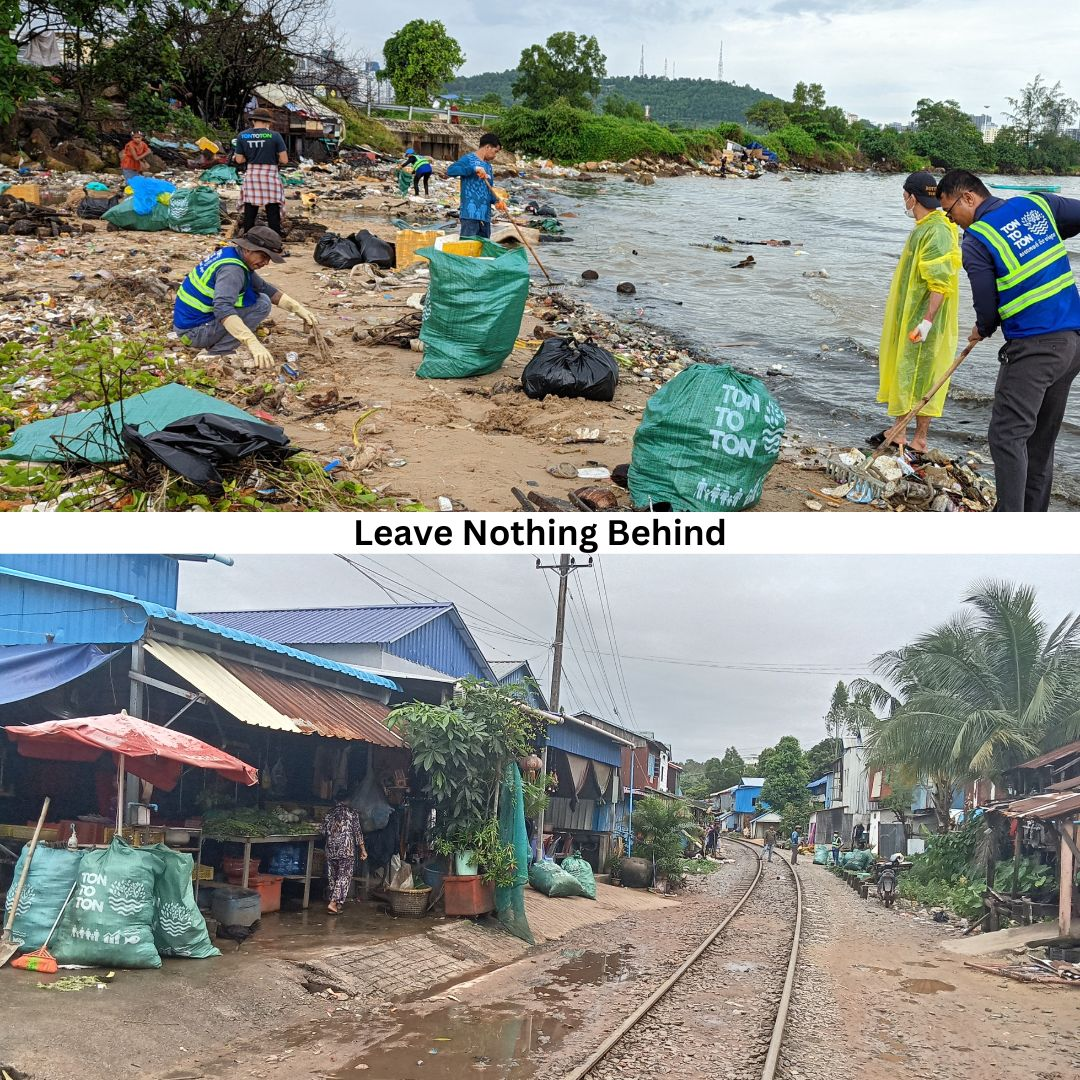
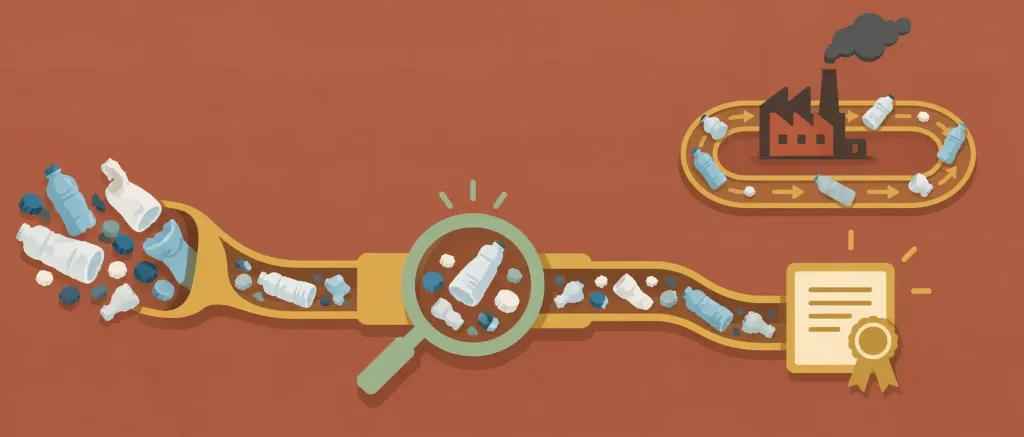
VPR refers to plastic waste recovery that’s independently documented and audited, rather than simply claimed. A verified program typically tracks exactly how much plastic was collected, from where, confirms it was genuinely kept out of the environment (not just moved somewhere else), and has that process checked by a third-party auditor rather than taking the collecting organization’s word for it.
This verification step is what separates VPR from a vaguer “we recycle” claim. Third-party audits, standardized protocols, and traceable documentation are what make a plastic credit — the tradable unit built on top of verified recovery — something a company can point to with an actual paper trail behind it.
How a Plastic Credit Works
A plastic credit represents the collection or recycling of a specific amount of plastic — commonly one tonne — verified by an independent standard and auditor. Companies that want to address their plastic footprint, but can’t easily eliminate plastic from their own operations, can fund credit-generating projects and claim the resulting credits toward their environmental commitments.
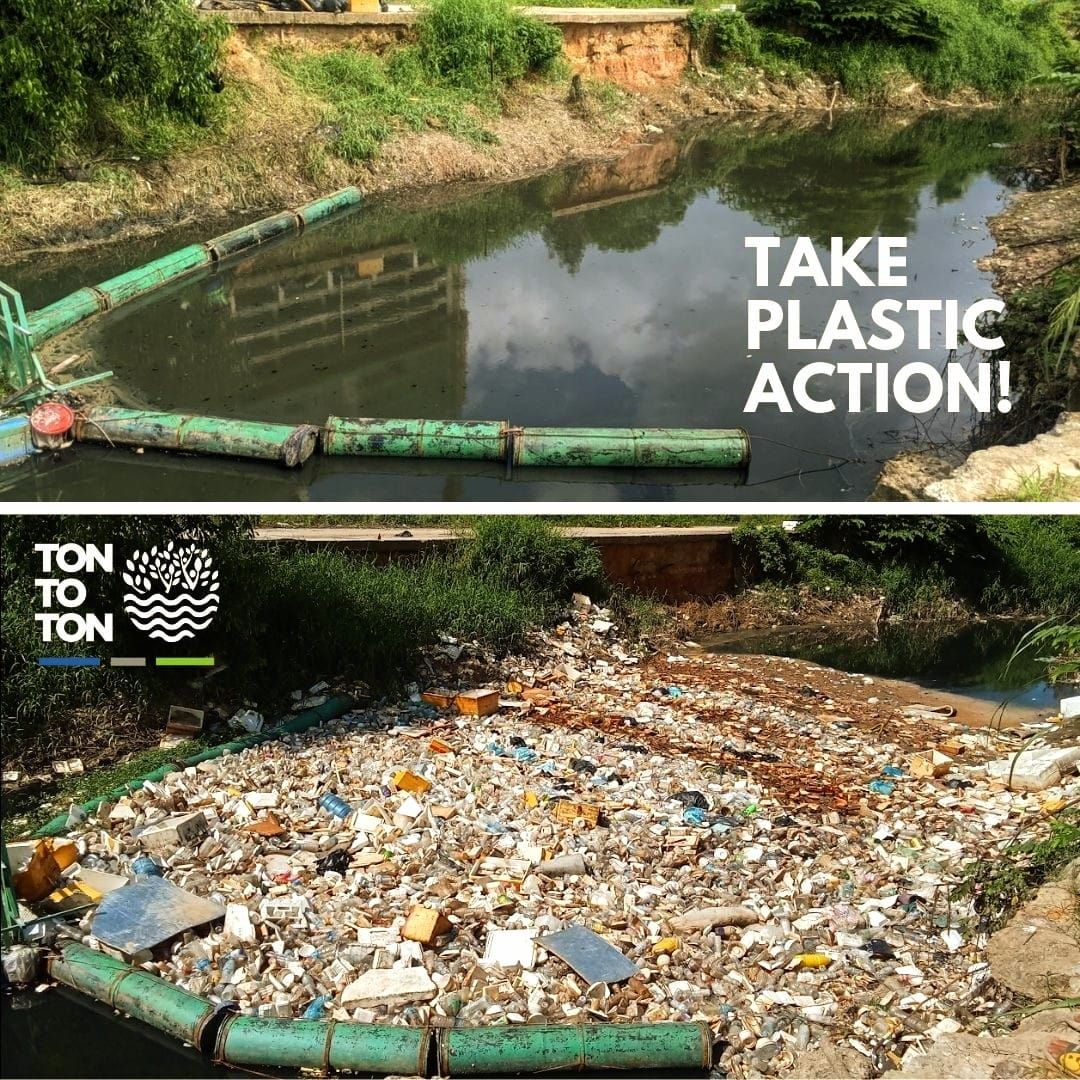
Tontoton, a Vietnam- and Cambodia-based social enterprise, is one of the better-documented examples of this model in practice. It was the first organization certified under the Ocean Bound Plastic Neutrality Standard, audited by Control Union Certifications — an independent, internationally recognized certification body, not Tontoton itself. Tontoton works with local waste pickers to collect non-recyclable, ocean-bound plastic before it reaches the water, then co-processes it into alternative fuel that displaces coal at a local manufacturing facility. The program has documented, independently reported social benefits too — above-average pay, protective equipment, and basic health coverage for a workforce that’s often informal and underpaid elsewhere.
That’s a genuinely well-structured example of the model working as intended, with real independent verification behind it rather than self-certification.
The Real Criticism Worth Knowing About
Here’s what a purely promotional account of plastic credits tends to leave out: serious environmental organizations have raised real, documented concerns about this mechanism as a category, not as a fringe objection.
The “plastic neutral” claim itself is contested. The WWF has taken an explicit public position that, in the words of its plastic waste specialist Kori Goldberg, “as long as a company uses or sells plastic, it cannot be plastic neutral.” The concern isn’t that recovery doesn’t help — it’s that letting a company claim “neutrality” through credits can create a misleading impression that its own plastic use has been resolved, when it hasn’t.
A 2023 report from Break Free From Plastic and the Global Alliance for Incinerator Alternatives analyzed two of the largest plastic credit providers, Verra and the Plastic Credit Exchange, and found what it described as serious flaws in financing, transparency, and auditing practices. The report specifically flagged that a meaningful share of credited plastic was being sent to cement kilns for incineration — raising separate concerns about emissions, since burning plastic for fuel, even displacing coal, still releases pollutants.
“Additionality” is a recurring technical concern — the question of whether a credit is actually funding recovery that wouldn’t have happened anyway, or whether it’s just taking credit for work that was already underway. Critics argue this is hard to verify reliably across the industry, even with third-party audits in place.
None of this means every plastic credit program is equivalent, or that the criticism applies equally to every provider — Tontoton’s independent certification and documented community benefits put it in a different position than some less-scrutinized schemes. But a fair treatment of this topic means acknowledging that credible environmental organizations view plastic credits as, at minimum, an imperfect tool that can be misused for greenwashing if a company treats a credit purchase as a substitute for reducing its own plastic use, rather than acknowledging the criticism doesn’t exist.
Understanding Plastic Footprint
A plastic footprint refers to the total plastic an individual, company, or organization is responsible for across its full life cycle — production, consumption, and disposal. Breaking it into stages helps clarify where responsibility actually sits:
Production — the extraction and manufacturing processes behind creating plastic in the first place, overwhelmingly reliant on fossil fuel inputs.
Consumption — the volume of single-use plastic, packaging, and plastic-containing products an individual or company actually uses.
Waste management — whether plastic is properly recycled, or ends up improperly disposed of and contributing to pollution.
End-of-life impact — the plastic’s ultimate fate: recycled, incinerated, or left as litter, each with meaningfully different environmental consequences.
Plastic credits address one piece of this picture — funding recovery of plastic already in or headed toward the environment — without directly addressing the production and consumption stages that create the footprint in the first place. That’s the core of the legitimate critique: recovery is valuable, but it isn’t the same as reduction.
Where This Leaves Things
Verified plastic recovery, done the way Tontoton’s program is structured — independent certification, documented social benefit, genuine removal of plastic that would otherwise reach the ocean — represents a real, defensible piece of the plastic pollution response. It’s not, on its own, a complete answer, and treating a plastic credit purchase as equivalent to reducing plastic use is exactly the gap environmental groups are warning about. The honest version of this story includes both: recovery work worth supporting, and a credit market worth scrutinizing rather than taking entirely at face value.
Frequently Asked Questions
Is Tontoton a legitimate organization?
Yes. It’s independently certified under the Ocean Bound Plastic Neutrality Standard, audited by Control Union Certifications, and its work has been documented by multiple independent sources, including NGO program evaluations and sustainability industry press.
Do environmental groups support plastic credits?
It’s mixed. Some environmental and industry organizations support plastic credits as a practical funding mechanism for recovery work; others, including WWF and groups like Break Free From Plastic, have raised significant concerns about greenwashing, additionality, and the “plastic neutral” framing specifically.
Does a plastic credit mean a company has reduced its own plastic use?
No. A plastic credit represents funding for recovery or recycling elsewhere — it doesn’t mean the purchasing company reduced its own plastic consumption, which is the core of the criticism this mechanism faces.
What’s the difference between plastic recovery and plastic credits?
Plastic recovery is the physical collection and processing of plastic waste. A plastic credit is a tradable financial instrument built on top of verified recovery, allowing companies to fund and claim that work toward their own environmental commitments.
Is burning recovered plastic for fuel a good solution?
It’s genuinely debated. Displacing coal with recovered plastic reduces reliance on a fossil fuel, but burning plastic still releases emissions, which is part of why some critics flag incineration-linked credits as a concern rather than a clean solution.
The Bottom Line
Verified Plastic Recovery and plastic credits represent a genuine attempt to bring accountability to plastic waste management, and organizations like Tontoton show the model can work with real independent oversight and real community benefit. But the mechanism isn’t beyond criticism, and a fair accounting of it includes the real concerns raised by WWF and other environmental groups about greenwashing, additionality, and the limits of “neutrality” claims. Recovery matters. It isn’t a substitute for reducing how much plastic gets produced and used in the first place.