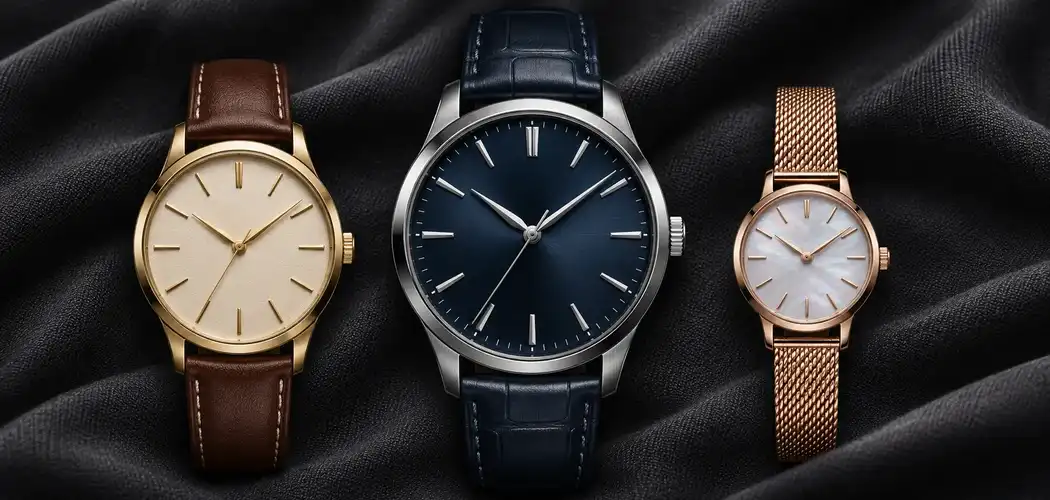
When comparing women’s Rolex watches, start with how you want the watch to fit and where you expect to wear it. The Lady-Datejust 28 takes up less space on the wrist. The Datejust 36 gives you a larger dial with dressier configurations. The Yacht-Master 37 adds a rotating bezel and a more pronounced sports-watch profile. A millimetre on a spec sheet tells only part of the story.
Rolex sells multiple configurations under each of these model names. Two watches from the same family can have different bracelets, dial materials, or bezels. Use the complete catalogue code when comparing new listings, and ask a pre-owned seller for enough detail to confirm the actual watch being offered. The three examples below are specific configurations you can look up and compare.
Women’s Rolex Watches at a Glance
| Model and catalogue code | Case size | Configuration | Why try it on |
|---|---|---|---|
| Lady-Datejust, M279381RBR-0012 | 28 mm | Oystersteel and Everose gold, chocolate dial with diamond markers, diamond-set bezel, Oyster bracelet | To compare a compact case with a dressier dial and bezel |
| Datejust 36, M126234-0019 | 36 mm | Oystersteel and white gold, white mother-of-pearl dial with diamond markers, fluted bezel, Jubilee bracelet | To see how a larger dial and a lighter colour work on your wrist |
| Yacht-Master 37, M268621-0003 | 37 mm | Oystersteel and Everose gold, chocolate dial, rotating bezel, Oyster bracelet | To compare a sportier bezel and dial layout with the two Datejust options |
The case measurement refers to the diameter. To judge how the watch will sit, look at how far the lugs and end links extend, how thick the case feels, and how much of the underside is taken up by the clasp. Those details are easiest to assess with the bracelet adjusted for your wrist.
Lady-Datejust 28 With a Chocolate Diamond Dial
Reference 279381RBR, in configuration M279381RBR-0012, pairs a chocolate dial with diamond hour markers and a diamond-set bezel. The bracelet combines Oystersteel with Everose gold, Rolex’s rose gold alloy. The smaller diameter gives the watch a compact footprint, while the gold and diamonds make the finish noticeable.
Try the 28 mm watch if you want something that sits comfortably under a cuff or takes up less room alongside other jewellery. If you read the time quickly while working or travelling, check the dial from your usual viewing distance. A compact face can look crisp in a close-up and feel different when you glance at it in a dim room.
Consider whether you want the stone-set bezel for everyday wear or for particular outfits. If you prefer a quieter finish, try another Lady-Datejust configuration while you are there. Compare both in the same light. That gives you a better sense of whether you are drawn to the size, the colour, or the diamonds. For more on pairing metal finishes with jewellery, see NetworkUstad’s guide to gold-chain styles.
Datejust 36 With a Mother-of-Pearl Dial
The Datejust 36 in configuration M126234-0019 uses Oystersteel and white gold. It has a white mother-of-pearl dial with diamond hour markers, a fluted bezel, and a Jubilee bracelet. The official Rolex configuration is useful when checking which details belong to this particular model.
Mother-of-pearl changes appearance with the light. If you are buying a particular pre-owned example, ask for clear photographs of the actual dial in indirect daylight. Retail catalogue images can show the design. Photographs of the individual watch help you judge the colour and pattern you will see when it arrives.
The 36 mm size gives the dial more space than the 28 mm model. Try it with the sleeve you most often wear. Use a mirror at arm’s length as well as looking down at your wrist. The fluted bezel catches light as you move, and the Jubilee bracelet has a different appearance and feel from the Oyster bracelet on the other two configurations.
When a seller calls a Datejust a “mother-of-pearl diamond model,” ask where the diamonds are set. The dial and bezel are separate parts. Also confirm how the bracelet is described. The exact configuration matters when comparing two listings that use the same model family and case diameter.
Yacht-Master 37 With a Chocolate Dial
The Yacht-Master 37 in configuration M268621-0003 combines Oystersteel and Everose gold with a chocolate dial and an Oyster bracelet. Its bidirectional rotating bezel gives it a different outline from either Datejust. The bezel scale is a practical difference too. If you like a more prominent sports-watch face, include it in the try-on even if you normally look at dressier watches.
Check where the case and clasp sit when you bend your wrist. The 37 mm diameter is close to the Datejust 36 on paper. The wider-looking bezel and different dial layout can make the two feel further apart. If a watch tips toward the outside of your wrist or the clasp presses when you rest your hand on a desk, ask to have the bracelet fit checked before deciding.
The two chocolate-dial examples also show how much the bezel changes the overall look. The Lady-Datejust uses diamonds around the face, while the Yacht-Master has a graduated rotating bezel. You can view these alongside other sizes and dial options in Rolex’s women’s watch catalogue.
How to Compare the Three on Your Wrist
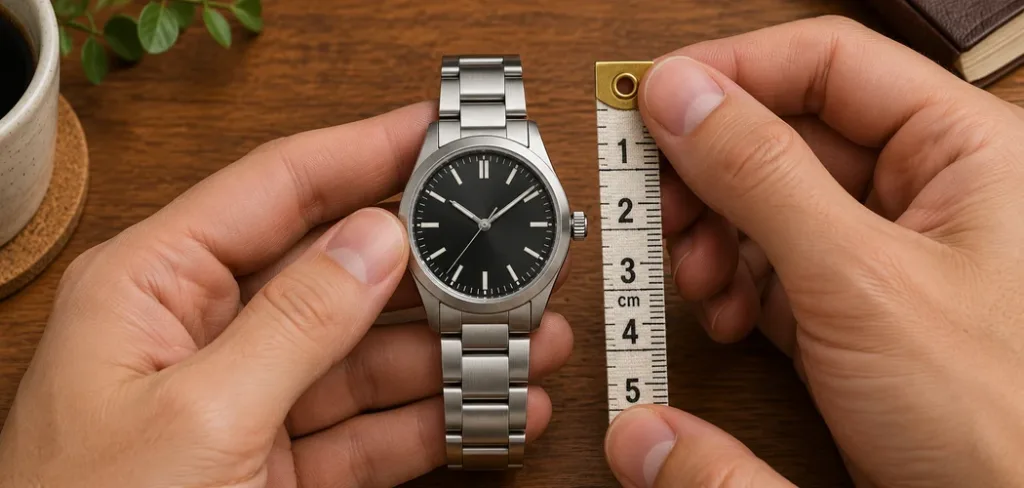
Wear each watch for a few minutes if the retailer allows it. Flex your hand, slip your arm through a cuff, and read the time under ordinary room lighting. If you are comparing watches across different shops, take photos from the same distance and angle where permitted. A very close phone shot can make a case look larger than it appears in normal use.
- For a compact fit, start with the Lady-Datejust 28. Pay attention to how easily you read the dial and whether you like the amount of jewellery detail.
- For a larger dressier dial, start with the Datejust 36. Compare how the dial looks in daylight and indoors.
- For a sports-watch profile, try the Yacht-Master 37. Check how the bezel, clasp, and bracelet feel during ordinary wrist movement.
If you already own a watch you wear often, bring it with you. Compare where its case ends and where the bracelet starts. A known reference point can help you describe why a new watch feels comfortable or why you keep adjusting it. If you plan to layer it with a bracelet, allow room for both and consider whether the pieces will rub against each other.
Check the clasp as well as the case
A bracelet can feel loose even when the case looks proportionate. A clasp that sits off-centre can make the watch feel heavier on one side. Ask how the links can be distributed on either side of the clasp and whether the available adjustment range suits you. Try the fit when your wrist is relaxed and again when your hand is bent. If you are ordering online, ask how the seller measures the fitted bracelet and how many links are included. Keep any links removed during sizing so you can adjust the fit later or pass them on with the watch.
What to Check Before Buying New or Pre-Owned
Ask for the complete model reference and a description of the configuration on the invoice. For a new watch, confirm the expected delivery or collection date and the warranty terms. For pre-owned, ask about condition, previous service, bracelet links, and the return policy. Get clear photos of the case, clasp, bracelet, and dial. If the seller lists a service history, ask which work was done and whether there is documentation.
Ask whether the dial, bezel, or bracelet has been changed. If originality matters to you, use a seller who can explain the parts and arrange an independent assessment where appropriate. Packaging and paperwork help document a sale, but they are only part of evaluating the watch. Make sure the return terms give you enough time to obtain any inspection you need.
Compare the full amount you will pay, including taxes, shipping, bracelet adjustments, and any service you expect to need. For a pre-owned watch, get a quote for replacing missing links if the bracelet is too short. Factor in how you would handle service or an issue after purchase, especially if the seller is in another country.
Choose the watch you expect to wear. The 28 mm model is the first to try if you like a smaller case. The Datejust 36 suits someone who wants room for a dressier dial. The Yacht-Master 37 is worth a look if you prefer a rotating bezel and a sports-watch layout. Price and resale offers can change, so assess the purchase against your budget and how well the watch fits your daily use.
Watch buying disclaimer
Model configurations, availability, prices, and warranty terms can change. Confirm the exact reference and condition before buying. Resale value can rise or fall, and this article provides product information rather than investment advice.