What the New Pennsylvania License Plate Looks Like
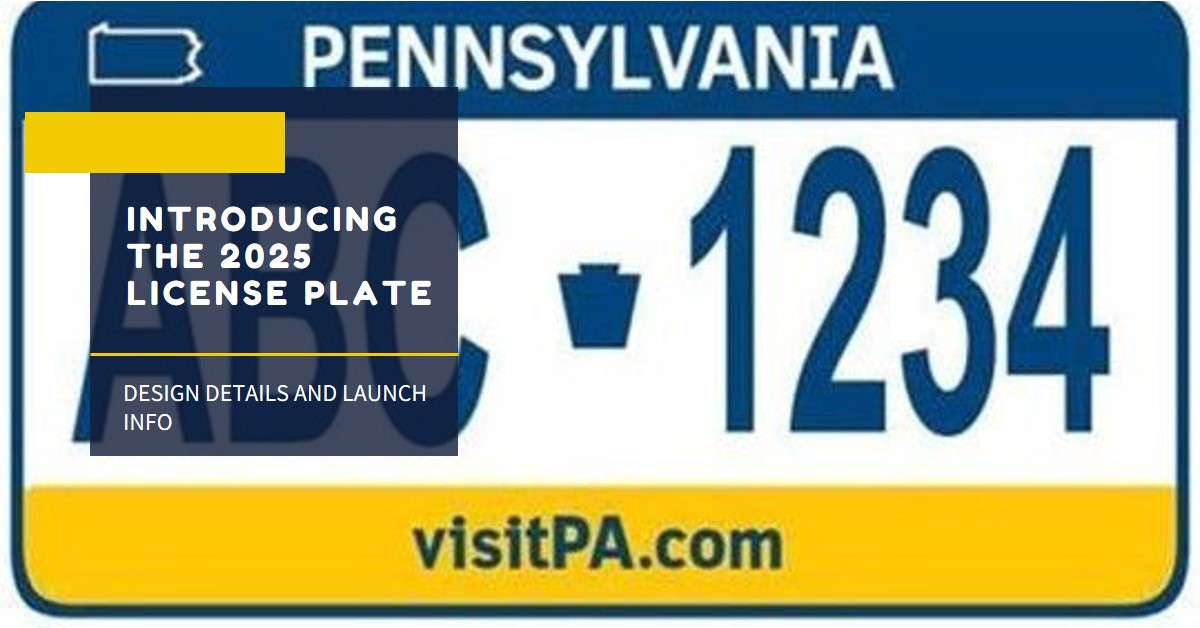
Pennsylvania has retired the tri-color fade design it introduced in 2000 in favor of a plate built around the Liberty Bell and the slogan “Let Freedom Ring.” The plate uses a red, white, and blue color scheme, a notable break from the state’s blue-and-yellow palette that had defined Pennsylvania plates since the 1920s. Gov. Josh Shapiro unveiled the design in mid-2024 as part of the “Pennsylvania: The Great American Getaway” tourism push tied to the country’s 250th anniversary in 2026, and matching “Welcome to Pennsylvania” highway signs have gone up at border crossings around the state.
Reaction to the redesign has been mixed. Some drivers welcome the patriotic theme, while others, including commentary from the Pittsburgh City Paper, argue the red-white-blue scheme is too generic and could belong to almost any state {nofollow}. There’s also been good-natured friction between Philadelphia, where the Liberty Bell sits, and Western Pennsylvania residents who feel the imagery leans toward one region of the state. None of that debate has slowed the rollout, and the plate is now the standard issue for every new registration.
The plate keeps a bold, high-contrast font intended to make characters easier to read for law-enforcement cameras and toll systems, and it carries reflective coating for nighttime visibility. According to Wikipedia’s registration-plate archive, the current series measures the standard 12 by 6 inches, is made of aluminum, and uses the familiar ABC-1234 serial format {nofollow}.
When It Launched and Who Gets One First
The plate wasn’t available all at once. PennDOT opened orders to an initial group of interested drivers in the spring of 2025, then expanded to general public ordering by June 2025, according to CBS News Philadelphia. As of June 2025, PennDOT’s own site confirms that every standard-issue plate ordered through the state now comes in the new design, though dealerships and other third-party vendors may still be working through old-style inventory.
For drivers who don’t request the new design themselves, PennDOT is phasing out older plates by letter prefix, oldest first. Passenger plates that start with “D” were the first targeted for mandatory replacement, and PennDOT says it’s currently mailing replacements to drivers with “D,” “E,” and “F” plates, based on reporting from Fox56 in May 2026. Passenger plates starting with “G,” “H,” “J,” or “K,” along with truck plates starting with “Y,” are next in line and will be swapped automatically the next time the plate is transferred to another vehicle. Affected drivers get a notice roughly two to three weeks before the replacement plate arrives in the mail, and PennDOT advises installing it right away, since the old plate is typically deactivated shortly after the new one ships.
How to Get the New Plate
There are three separate paths to the redesigned plate, depending on your situation:
- New or first-time registrations: Any newly registered vehicle in Pennsylvania automatically receives the Liberty Bell design.
- Voluntary replacement: If your current plate is still legible but you’d like the new look, you can request a swap directly through PennDOT for a $13 fee, confirmed by PhillyVoice and multiple other outlets covering the June 2025 rollout. This applies to standard passenger and truck plates, including ones that are already personalized.
- Free illegible-plate replacement: If your plate is damaged, faded, peeling, or can’t be read from 50 feet, you qualify for a no-cost replacement. PennDOT’s official illegible-plate process requires printing Form MV-46, having a law enforcement officer, certified inspection station, or PennDOT-authorized Online Messenger verify the damage, then mailing the signed form back to PennDOT.
Drivers who want a personalized plate in the new design can also apply through PennDOT, though personalized replacements take considerably longer, typically 6 to 8 weeks, compared to about 15 days for a standard plate.
Costs, Fees, and What Happens to Your Old Plate
Getting the facts straight on pricing matters, since a couple of figures have circulated online. PennDOT’s confirmed fee for a voluntary standard-plate replacement is $13, not the $11 figure that appeared in early coverage. Illegible-plate replacements processed through Form MV-46 remain free of charge. Specialty, military, and organizational plates are being updated to the new design on a separate timeline, and fees for those vary by plate type; PennDOT’s Form MV-70S schedule of fees lists the specifics for each category.
Once you receive a replacement plate, PennDOT wants the old one back to prevent it from being reused fraudulently. According to PennDOT’s return instructions, old plates should be mailed to:
Bureau of Motor Vehicles, Return Tag Unit, P.O. Box 68597, Harrisburg, PA 17106-8597
Once PennDOT receives a returned plate, it’s marked as a “dead tag” in the state’s vehicle records, which removes it from active circulation and protects the previous owner from having someone else’s activity attached to their old plate number.
Conclusion
The “Let Freedom Ring” plate is no longer a future announcement, it’s the standard plate PennDOT issues today, and the agency is working its way through older registrations letter by letter. If your plate starts with D, E, or F, expect a replacement notice in the mail; if you’re further down the alphabet, your turn will come with your next registration transfer. Drivers who’d rather not wait can request the swap now for $13, and anyone with a damaged or unreadable plate can get a free replacement through Form MV-46.
Whatever side of the design debate you land on, the practical takeaway is the same: check your plate’s condition, know which letter-series group you’re in, and keep an eye on your mailbox for a notice from PennDOT so you can install your new plate and return the old one without missing a step.