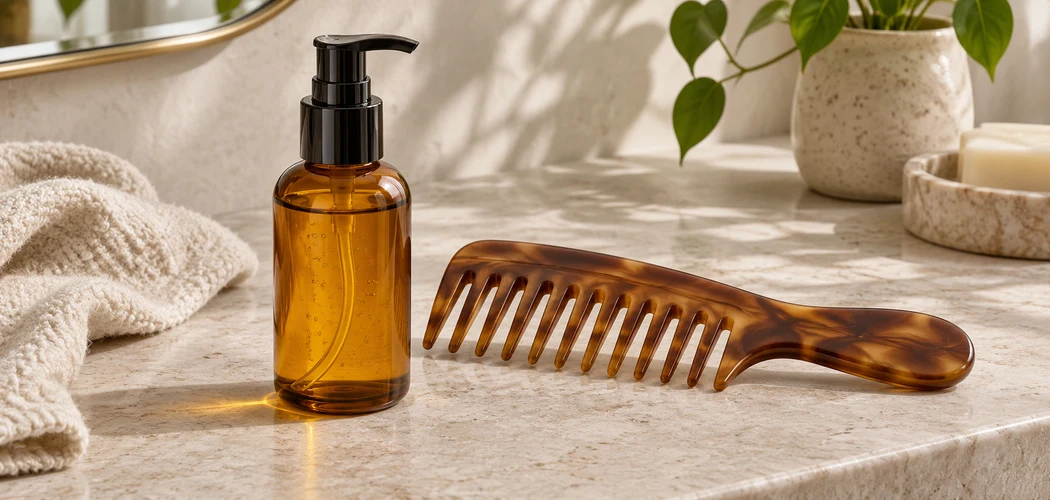
Does your hair look smooth after styling but turn rough, frizzy or tangled by the end of the day? Damaged strands often need more than a quick fix, especially when brushing and everyday styling leave the ends brittle. A hair serum for damaged hair can help smooth the hair surface, reduce friction, and improve manageability, but it works best alongside habits that prevent further damage. Here is how to choose and use a serum and care for weak, dry lengths.
What Makes Hair Damaged?
Each strand has an outer layer called the cuticle that protects its inner structure. When this layer becomes worn or rough, hair loses smoothness, tangles more easily and becomes prone to breakage.
Common causes include:
- Frequent Heat styling: Frequent use of straighteners, curling irons and hot blow-dryers can weaken strands.
- Colouring and bleaching: Chemical processes can affect the hair structure and leave it dry.
- Chemical treatments: Repeated straightening or perming can increase brittleness.
- Hard water: Describe mineral buildup as something that can leave hair feeling rough. Keep it separate from direct sources of structural damage such as bleaching and repeated high heat.
- Pollution and sun exposure: Environmental exposure can contribute to dullness, dryness and surface damage.
- Rough handling: Aggressive brushing and towel rubbing can cause breakage, especially when hair is wet.
How a Hair Serum for Damaged Hair Works
Hair serum coats the hair surface to improve smoothness and make strands easier to manage. Depending on its formula, it may contain conditioning agents or oils that help reduce friction and protect the lengths from everyday wear. It cannot permanently reverse structural damage, but it can improve how damaged hair looks and feels.
Key benefits of using an effective hair serum for damaged hair include:
- Smooths rough strands and helps control frizz.
- Adds shine to dull-looking hair.
- Reduces friction during combing and styling.
- Helps limit breakage caused by tangling.
- Makes dry lengths easier to manage.
- Provides heat protection when the formula is specifically labelled for it.
Bare Anatomy markets its Damage Repair Hair Serum for dry, rough lengths. The brand recommends applying it from the mid-lengths to the ends on towel-dried or slightly damp hair.
Effective Ways to Repair and Restore Hair Health
A serum can improve the feel of damaged strands, but everyday care matters just as much. These habits help limit further wear while your hair grows.
Protect Hair From Heat and Styling Damage
Frequent high-heat styling can make brittle hair more prone to snapping. Let your hair air-dry when possible, or use a blow-dryer on a lower setting. Apply a heat protectant before using hot tools, and avoid repeatedly passing a straightener over the same section. Reducing heat exposure helps prevent further dryness and breakage.
Detangle and Handle Wet Hair Gently
Wet hair stretches more easily and can break when pulled forcefully. Do not rub your hair dry with a towel after washing; rather, pat your hair dry with a soft towel to remove excess water. Detangle your hair using a wide-tooth comb, beginning from the ends to the roots of the hair. Hold each section while you comb to reduce pulling, particularly if you have long and curly hair.
Trim Split Ends Regularly
While a hair serum can help to make the ends look smooth, it cannot permanently seal them back together. Trimming damaged ends is the reliable way to remove split ends and frayed tips. You may require a trim depending on the condition of your hair and how you style your hair. If your ends keep catching on each other, look rough or break while brushing, a little trim might be required.
Add a Weekly Hair Mask for Deeper Care
A hair mask provides more intensive conditioning than a regular rinse-out conditioner. Look for formulas with conditioning agents, oils or proteins suited to your hair’s needs. Apply the mask mainly to the mid-lengths and ends after shampooing, then leave it on for the time stated on the packaging. Using one once a week can help improve softness and reduce tangling.
Paired with habits that prevent further damage, it can help you care for weak, dry lengths without making your routine complicated.
Tips to Use Hair Serum for Damaged Hair Effectively
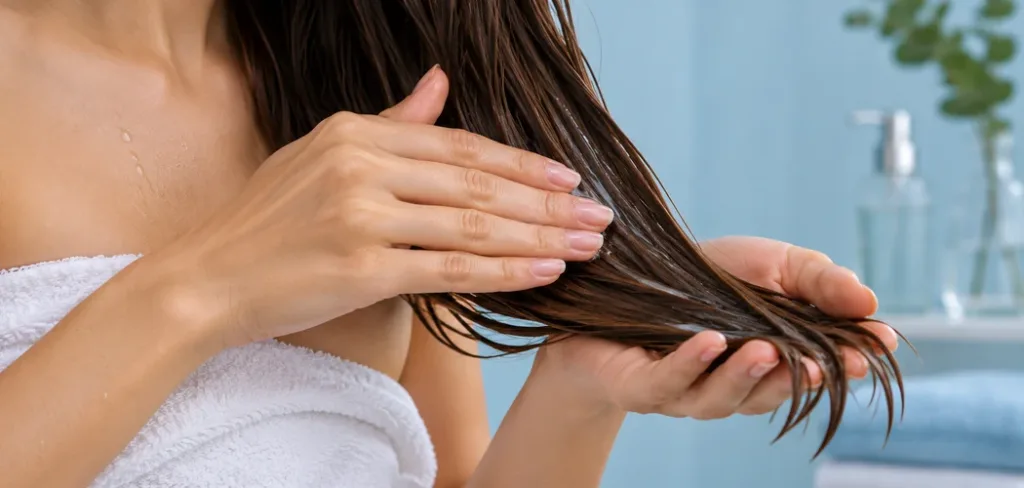
Using too much serum can leave hair greasy or weighed down. A small amount is usually enough to coat the lengths.
- Start with clean hair: Apply the serum to damp or dry hair according to the product directions.
- Use a small amount: Follow the amount on the product label. Bare Anatomy lists two to six pumps for this serum, depending on hair length and density. Other formulas may use a different amount.
- Focus on the ends: Spread the serum between your palms and smooth it over the mid-lengths and ends.
- Avoid the roots unless directed: This helps prevent a greasy scalp, especially if your hair is fine or oily.
- Distribute evenly: Use your fingers or a wide-tooth comb to spread the product without pulling at knots.
For a complete routine, pair your serum with a gentle shampoo, a suitable conditioner and other damaged hair care products that address your specific needs. Avoid adding several new products at once so you can see what works for your hair.
What Results Can You Expect?
After the first use, a suitable serum may make hair feel smoother, look shinier and become easier to comb. With consistent use over two to four weeks, you may notice less frizz, fewer tangles and less breakage during styling, especially if you also reduce heat exposure and handle hair gently.
Results depend on the level of damage and how you handle your hair on a daily basis. A hair serum for damaged hair helps to restore the texture and look of hair rather than restoring hair that is severely damaged. If the ends are split or badly frayed, then trimming and gentle handling are still necessary.
Conclusion
Damaged hair can become easier to manage when you combine a suitable serum with gentler everyday care. Use serum to smooth frizz and improve shine, protect your hair from excess heat and detangle without pulling. With consistent care, your hair can feel softer, look healthier and become easier to style.