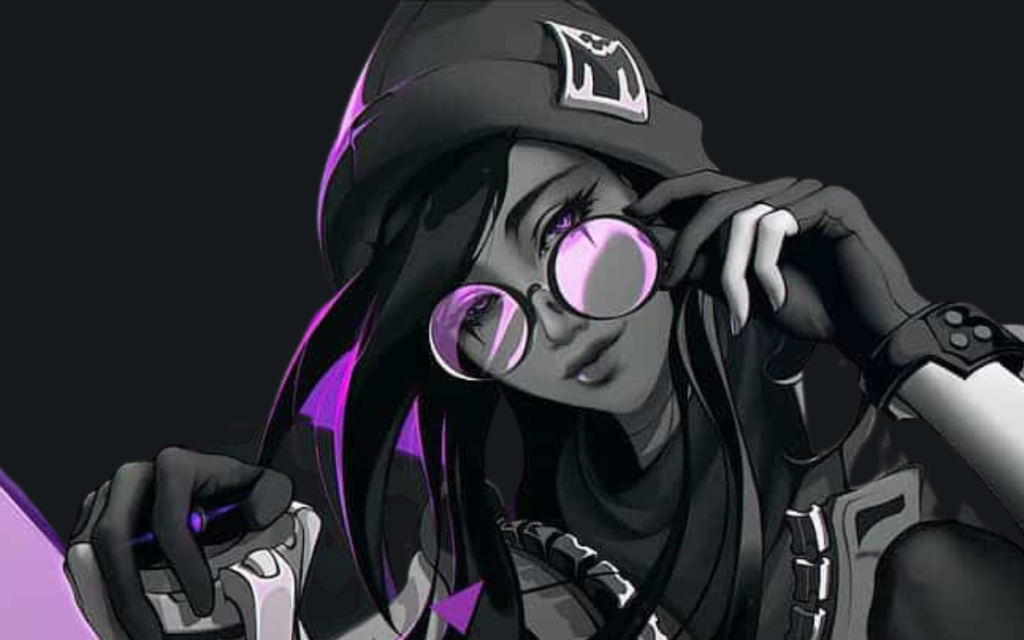

In 2025, Kunmanga continues to thrive as a powerhouse in the global entertainment landscape, offering unparalleled escapism, cultural insights, and emotional depth. According to Market Growth Reports, the global webtoons market reached approximately $7.5 billion in 2024, with projections soaring to over $83 billion by 2033 at a 29.7% CAGR, driven largely by Korean creators. This growth underscores Kunmanga’s appeal: its vertical-scroll format is perfect for mobile reading, fitting seamlessly into busy lifestyles.
Reading Kunmanga provides numerous benefits, including stress relief through immersive storytelling that blends fantasy, romance, and social commentary. Studies from the Korea Creative Content Agency highlight how webtoons foster empathy by exploring themes like identity, mental health, and societal pressures—resonating especially post-pandemic. For beginners, it’s an accessible entry to Korean culture, often leading to interest in K-dramas or K-pop. With over 170 million monthly active users worldwide (as reported in industry surveys), Kunmanga builds communities via fan discussions on platforms like Reddit and TikTok. In 2025, innovations like AI-assisted tools make creation more inclusive, promising fresh narratives. Whether for relaxation or inspiration, Kunmanga enriches lives by challenging perspectives and sparking creativity in a digital age. (198 words)
The History and Evolution of Kunmanga
The history of Kunmanga dates back to the early 20th century, during the Japanese occupation of Korea. During this time, Japanese manga significantly influenced Korean culture, and many Korean artists began creating their comics similarly.
The first actual Korean comics were published in the 1940s, and the industry grew in the following decades. However, Kunmanga exploded in the 2010s via webtoons, with over 100 million global users by 2023 (per Korea Creative Content Agency reports and industry surveys). In 2025, AI-assisted creation tools are emerging, revolutionizing production as seen in tools like Neta and Stable Diffusion for manga generation.
One of the most important turning points in the evolution of Kunmanga was the introduction of digital comics, or webtoons, in the early 2000s. This new format allowed artists to publish their works online and reach a global audience, leading to the rise of numerous popular webtoon platforms.
Another factor contributing to the growth of Kunmanga was the increasing availability of translations in other languages. As more Kunmanga works were translated into English and other languages, they gained a broader audience outside Korea.
Post-2020 Trends in Kunmanga
Since 2020, Kunmanga has undergone rapid transformations, fueled by the pandemic’s boost to digital consumption and globalization. Platforms like Naver Webtoon and Kakao saw explosive growth, with Naver’s revenue hitting approximately 1.7 trillion KRW ($1.3 billion) in 2024 alone. Cross-media adaptations surged, turning hits like “Solo Leveling” into anime and games, expanding their reach.
K-pop integrations became prominent, with shows inspired by idols like BTS, blending music and visuals for hybrid experiences. Diversity in storytelling evolved, addressing global issues like climate change and mental health in works such as “The Horizon.” The rise of user-generated content via apps empowered amateur creators, democratizing the industry.
In 2025, AI tools are pivotal: generators like Midjourney and Clip Studio Paint’s AI features streamline paneling and ideation, though debates on authenticity persist (as discussed in Reddit communities). Economically, Korea’s webtoon exports hit record highs, with 43.6% of companies exporting in 2023 per KOCCA. This era marks Kunmanga’s shift from niche to mainstream, influencing Hollywood remakes and fostering international collaborations. (285 words)
Kunmanga Timeline
- 1940s: First Korean comics are published amid Japanese influence.
- 1990s: Widespread recognition in print form.
- 2000s: Webtoons debut, enabling online distribution.
- 2010s: Global explosion with 100M+ users.
- 2020s: Pandemic boost, AI integration, and cross-media hits.
Elements of Kunmanga: Art, Storytelling, and Character Development
Kunmanga is known for its unique art, storytelling, and character development blend. These elements work together to create a compelling reading experience for audiences of all ages and backgrounds.
- Art: Kunmanga art is characterized by its attention to detail, dynamic and exaggerated action scenes, and expressive character designs. Predominantly vertical-scroll webtoons optimized for mobile, using tools like Clip Studio Paint, allowing for precise control over lines, colors, and shading. Art often plays a significant role in conveying the emotions and actions of the characters, creating a visually stunning and immersive experience for the reader, with expressive facial animations and color symbolism enhancing narrative impact. Example: In “Tower of God,” intricate tower designs use shading to build tension in vertical panels.
- Storytelling: Kunmanga storytelling is often complex, with intricate plotlines and numerous subplots that weave together to create a cohesive story. Many Kunmanga works feature themes that explore societal issues, cultural identity, and personal growth. The story’s pacing is typically quick, with frequent cliffhangers and plot twists that keep readers engaged. Example: “The Breaker” employs rapid twists to mirror real-life martial arts drama.
- Character Development: Kunmanga is known for its well-developed and multidimensional characters. Many protagonists are flawed and struggle with personal issues, making them relatable and compelling to readers. The characters often undergo significant growth and development throughout the story, facing challenges and overcoming obstacles that help them become stronger and more resilient. Example: Sung Jin-woo in “Solo Leveling” evolves from a weak hunter to a powerhouse, symbolizing personal triumph.
How Kunmanga Differs from Japanese Manga
| Aspect | Kunmanga (Korean Webtoons) | Japanese Manga |
|---|---|---|
| Format | Vertical scroll, mobile-optimized | Horizontal panels, print-focused |
| Art Style | Bold colors, expressive animations | Black-and-white, detailed linework |
| Themes | Social issues, identity, fast-paced action | Fantasy, philosophy, varied pacing |
| Distribution | Digital platforms like Webtoon | Magazines and tankobon volumes |
| Global Reach | Web-first, quick translations | Anime adaptations drive popularity |
Popular Kunmanga Subgenres: Shonen, Shojo, Seinen, and Josei
Kunmanga is a diverse genre with numerous subgenres that cater to different audiences and interests. Here are some of the most popular Kunmanga subgenres explained: Shonen vs. Seinen, and more:
- Shonen: Shonen is a subgenre of Kunmanga aimed at a male audience, typically teenagers. Shonen works often feature action-packed storylines, adventure, and humor. Popular shonen titles include “Tower of God” and “The God of High School.”
- Shojo: Shojo is a subgenre of Kunmanga aimed at a female audience, typically teenagers. Shojo works often feature romance, drama, and coming-of-age themes. Popular shojo titles include “True Beauty” and “My ID is Gangnam Beauty.”
- Seinen: Seinen is a subgenre of Kunmanga aimed at an adult male audience. Seinen works often feature mature themes such as violence, sexuality, and psychological depth. Popular seinen titles include “Bastard” and “Sweet Home.”
- Josei: Josei targets adult women, focusing on realistic relationships, career struggles, and emotional maturity. Unlike Shojo’s youthful romance, Josei offers nuanced portrayals of adulthood, often with subtle drama and introspection. Examples like “Lady to Queen” explore power dynamics in historical settings, while “Something About Us” tackles modern friendships turning romantic. This subgenre empowers female narratives, addressing themes like independence and societal expectations. In 2025, Josei’s popularity surges with adaptations, appealing to readers seeking depth beyond fantasy. Platforms like kunmanga.com host diverse Josei, fostering discussions on gender roles. (182 words)
Top 5 Recommendations per Subgenre
Shonen (Best Kunmanga Series for Beginners 2025):
- Tower of God – Epic climb through a mysterious tower, testing wits and strength.
- The God of High School – Martial arts tournament with supernatural twists.
- Noblesse – Vampire awakens to protect friends in modern world.
- Unordinary – Superpowered society hides dark secrets.
- Hardcore Leveling Warrior – Gamer battles in virtual reality.
Shojo:
- True Beauty – Makeup hides insecurities in a beauty-obsessed society.
- My ID is Gangnam Beauty – Post-surgery life challenges self-acceptance.
- The Abandoned Empress – Time-travel revenge in royal intrigue.
- Who Made Me a Princess – Reincarnated as a doomed royal.
- Yumi’s Cells – Inner emotions personified in daily life.
Seinen:
- Sweet Home – Monsters reflect human fears in apocalypse.
- Bastard – Dark fantasy with moral ambiguities.
- The Breaker – Martial arts mastery and betrayal.
- Girls of the Wild’s – Survival in elite school.
- Dr. Frost – Psychologist unravels minds.
Josei:
- Lady to Queen – Political maneuvering in imperial court.
- Something About Us – Friends-to-lovers with realistic hurdles.
- Under the Oak Tree – Arranged marriage blooms into love.
- Beware the Villainess – Isekai empowerment against tropes.
- The Lady and the Beast – Taming a cursed duke.
Impact of Kunmanga on Pop Culture and Society
Kunmanga has had a significant impact on pop culture and society, both in Korea and around the world. Here are some of the ways Kunmanga has influenced and shaped pop culture and society:
- Increased Interest in Korean Culture: Kunmanga has played a significant role in promoting Korean culture and helping it gain worldwide recognition. Many Kunmanga works incorporate Korean history, mythology, and cultural elements, giving readers a window into Korean society and identity.
- Expansion of the Global Comics Market: Kunmanga has helped expand the global comics market, introducing new audiences to the medium and encouraging other countries to produce their comics. The success of Kunmanga has also led to the growth of digital comics and webtoons, providing creators with new avenues for distribution and monetization. 2024 TikTok virality boosted series like ‘Solo Leveling’ anime, with millions of edits and fan animations amplifying its reach.
- Increased Representation of Diverse Characters: Kunmanga has been at the forefront of introducing diverse characters to the comics industry. Many Kunmanga works feature female protagonists, LGBTQ+ characters, and characters from diverse ethnic and cultural backgrounds, providing readers with a more inclusive and representative reading experience.
Kunmanga in the Streaming Era
In the streaming era, Kunmanga has transcended pages to dominate screens, with Netflix adaptations like “Sweet Home” (2020) and “All of Us Are Dead” (2022) drawing millions. “Solo Leveling’s” 2024 anime exploded on Crunchyroll, fueled by TikTok trends where users recreated scenes, amassing billions of views. This synergy boosts global merch sales, from figurines to apparel, contributing to Korea’s $1.5 billion webtoon revenue in 2023 (KOCCA).
Streaming platforms invest heavily, with Amazon and Disney+ eyeing Kunmanga IPs for live-action. Trends include interactive webtoons tying into AR experiences, enhancing immersion. Socially, it influences fashion and slang, with “True Beauty” sparking beauty standard debates. In 2025, expect more hybrid formats, like webtoon-to-podcast adaptations, solidifying Kunmanga’s role in multimedia empires and cultural export. (248 words)
Criticisms and Controversies Surrounding Kunmanga
Despite its widespread popularity and influence, Kunmanga has not been without its criticisms and controversies. Here are some of the main issues that have been raised about the genre:
- The portrayal of Women: Some Kunmanga works have been criticized for their portrayal of women, with some female characters being depicted as overly sexualized or objectified. This has led to accusations of sexism and misogyny in the genre.
- Violence and Graphic Content: Kunmanga is known for its graphic content, with many works featuring violence, gore, and other mature themes. This has led to concerns about the genre’s impact on young readers, with some critics arguing that it glorifies violence and desensitizes readers to its effects.
- Cultural Appropriation: Some Kunmanga works have been criticized for appropriating elements of other cultures without proper understanding or respect. This has led to accusations of cultural insensitivity and racism in some cases.
- Lack of Diversity: Despite efforts to introduce more diverse characters and themes, Kunmanga is still criticized for its lack of representation of certain groups, such as people with disabilities.
Industry responses include diversity initiatives by Naver since 2022, implementing ethical guidelines and promoting inclusive casts to address these concerns.
Getting Started with Kunmanga
New to Kunmanga? Begin with free platforms like kunmanga.com or Webtoon app for daily updates. Tips: Start with short series like “Yumi’s Cells” for quick reads; use English translations for accessibility. Join communities on Reddit or Discord for recommendations. Subscribe to newsletters for alerts on new releases—sign up here for “Kunmanga Update Alerts” to stay ahead in 2025 trends. (142 words)
Conclusion
In conclusion, Kunmanga is a diverse and popular genre that has significantly impacted pop culture and society. From its origins in Korea, it has expanded to become a global phenomenon, introducing new audiences to the world of comics and providing readers with engaging and diverse stories.
FAQs
What is Kunmanga, and how does it differ from traditional manga?
Kunmanga refers to Korean webtoons or graphic novels, originating from South Korea’s digital comic scene. Unlike Japanese manga’s horizontal panels, Kunmanga uses vertical scrolling for mobile optimization, emphasizing fast-paced plots and relatable characters. Popular since the 2000s, it explores themes like identity and romance, with global hits like “True Beauty.” Platforms like kunmanga.com offer free access, making it beginner-friendly.
What are the most popular Kunmanga subgenres for beginners?
Start with Shonen for action-packed adventures like “Tower of God,” ideal for teens seeking heroism tales. Shojo offers romantic coming-of-age stories such as “My ID is Gangnam Beauty.” For mature readers, try Seinen’s psychological depth in “Sweet Home.” These subgenres blend humor, drama, and visuals, accessible via apps. Explore kunmanga.com for daily updates and diverse entries.
How has Kunmanga evolved historically, and what’s next in 2025?
Kunmanga traces to 1940s influences from Japanese occupation, booming in the 2010s with webtoons, reaching 100M+ global users by 2023. By 2024, market hit $7.5B. In 2025, expect AI tools for creation and more Netflix adaptations like “Solo Leveling.” This evolution highlights cultural export, from local folklore to international phenomena.
What impact does Kunmanga have on pop culture and society?
Kunmanga promotes Korean heritage through mythology and social commentary, inspiring K-dramas and merch empires worth billions. It boosts diversity with LGBTQ+ and female leads, fostering empathy worldwide. Economically, webtoons generated $7.5B in 2024, expanding comics markets. Yet, it sparks debates on representation, pushing creators toward inclusivity in global storytelling.
What are common criticisms of Kunmanga, and how is the industry responding?
Criticisms include sexualized female portrayals and graphic violence, potentially desensitizing youth, plus cultural insensitivity claims. Diversity gaps persist for minorities. Responses involve 2022+ initiatives by publishers like Naver for ethical guidelines and varied casts. Overall, these push Kunmanga toward maturity, balancing entertainment with responsible narratives for broader appeal.