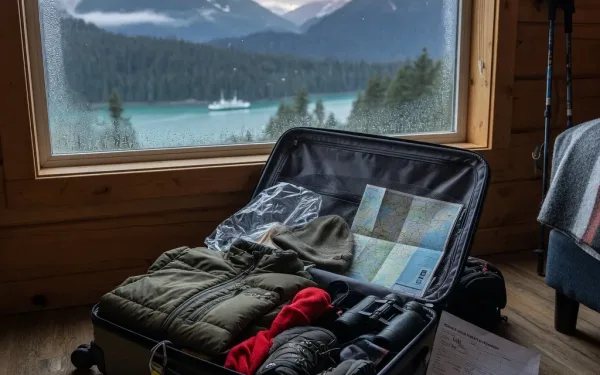
Cold air, endless snow, and quiet views can make any trip feel completely different from usual travel experiences. That kind of setting feels exciting, yet it can turn uncomfortable without the right items packed beforehand. A little preparation goes a long way when harsh weather decides how each day unfolds outside.
Arctic adventures call for smart packing that matches the cold, remote, and unpredictable nature of these destinations. Reliable destination guides also help travelers understand what to pack based on real conditions, which reduces guesswork and stress. This article shares a clear packing guide that helps make extreme cold travel more comfortable and manageable.
Wear Warm Clothes In Layers
Cold Arctic regions demand careful clothing choices, with thermal base layers, wool sweaters, and strong outer jackets for proper insulation. Each layer serves a purpose, as the inner fabric keeps warmth close while the outer shells block wind and moisture. A balanced mix prevents discomfort during long outdoor trips, where temperature shifts require quick adjustments without unnecessary bulk. This approach supports comfort and safety, especially across icy landscapes where harsh conditions test even well-prepared travelers.
Carry A Small Waterproof Bag
A compact waterproof bag keeps essential items safe from snow, sea spray, and sudden weather changes during travel. Such a bag allows easy access to personal items without exposure to moisture in Arctic regions. It also supports movement across uneven terrain, as hands remain free for balance and stability on icy surfaces. Reliable storage adds peace of mind, since unexpected conditions can arise at any moment.
Take A Camera With Extra Batteries
Arctic scenery offers remarkable views, with glaciers, wildlife, and wide horizons that deserve proper documentation through quality photography equipment. A reliable camera captures details that simple devices may miss. Extra batteries remain essential because cold temperatures reduce power levels faster, which can disrupt plans without proper preparation beforehand. Memory cards also prove useful, as long trips produce many images that reflect unforgettable moments across vast frozen landscapes.
Bring Binoculars For Better Views
Wildlife in Arctic regions usually appears at a distance, so binoculars help transform distant shapes into clear sights. A good pair enhances observation, whether it involves spotting birds, marine animals, or distant movement across snow-covered terrain. Such tools enrich travel experiences, since details become visible without disturbance to natural habitats. Such careful observation adds depth to each journey.
Protect Skin And Eyes
Bright sunlight reflects strongly off snow and ice, which can harm exposed skin and strain eyes without proper protection. Sunscreen with strong protection prevents burns, while lip balm reduces dryness caused by cold air. Quality sunglasses shield eyes from glare, which can otherwise lead to discomfort or temporary vision problems. Simple protective items make a major difference, as harsh conditions require attention to small details.
Pack Warm Accessories And Good Shoes
Warm accessories such as gloves, hats, and wool socks provide essential protection against the cold. Proper footwear with a strong grip supports safe movement across icy paths, where slips can lead to serious injury. Layered accessories also allow adjustments based on conditions, which change frequently across Arctic environments with shifting winds. Prepared travelers rely on these small but critical items, since comfort and safety depend on thoughtful choices.
Careful packing turns harsh conditions into a more comfortable and enjoyable experience during arctic adventures in remote regions. Each item plays a role in safety, warmth, and ease, especially when the weather shifts without much warning. For better preparation and fewer surprises, check a trusted travel insights platform that shares clear packing advice before departure.