Asad Ijaz
NetworkUstad's lead networking architect with CCIE certification. Specializes in CCNA exam preparation and enterprise network design. Authored 2,800+ technical guides on Cisco systems, BGP routing, and network security protocols since 2018. Picture this: I'm not just someone who writes about tech; I'm a certified expert in the field. I proudly hold the titles of Cisco Certified Network Professional (CCNP) and Cisco Certified Network Associate (CCNA). So, when I talk about networking, I'm not just whistling in the dark; I know my stuff! My website is like a treasure trove of knowledge. You'll find a plethora of articles and tutorials covering a wide range of topics related to networking and cybersecurity. It's not just a website; it's a learning hub for anyone who's eager to dive into the world of bits, bytes, and secure connections. And here's a fun fact: I'm not a lone wolf in this journey. I'm a proud member and Editor of Team NetworkUstad. Together, we're on a mission to empower people with the knowledge they need to navigate the digital landscape safely and effectively. So, if you're ready to embark on a tech-savvy adventure, stick around with me, Asad Ijaz Khattak. We're going to unravel the mysteries of technology, one article at a time!"
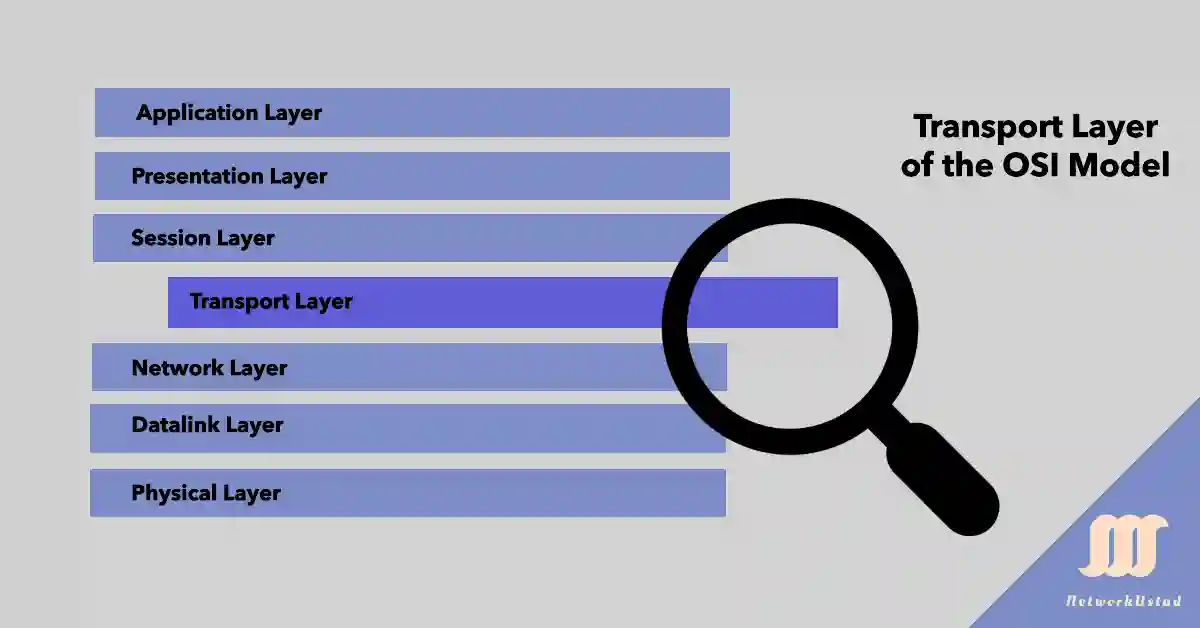
Transport Layer Unveiled: Boost Your OSI Model Knowledge With this Exclusive 2025 Guide
The transport layer supports real-time apps like video conferencing (UDP) and secure browsing (TCP with TLS), adapting to 2025’s cloud and IoT demands. For a web server (port 80) and email (port 25) on 192.168.1.10, the transport layer routes HTTP and SMTP data to the correct processes. TLS over TCP secures data for HTTPS, adding...
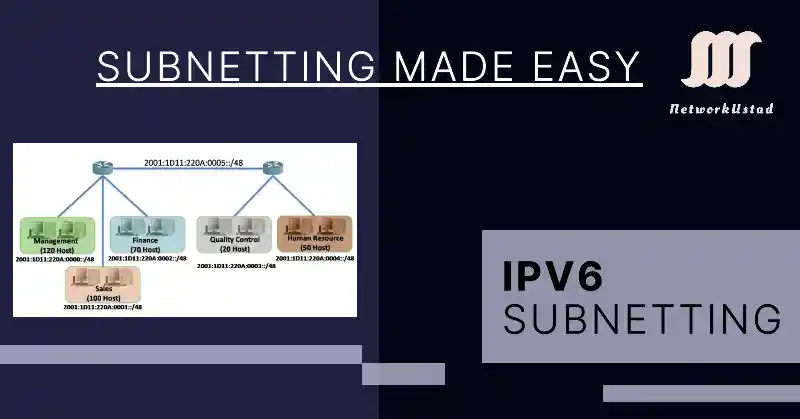
IPv6 Subnetting Simplified: Unlock the Power of Next-Gen Networking
The shift to IPv6 addresses the exhaustion of IPv4’s 32-bit space, with adoption accelerating in 2025 to support IoT and global connectivity, necessitating new subnetting strategies. IPv6 addresses are increasingly replacing IPv4 due to address exhaustion, with adoption surpassing 40% globally by 2025, driving new subnetting needs. We use CIDR, VLSM, and NAT to save...
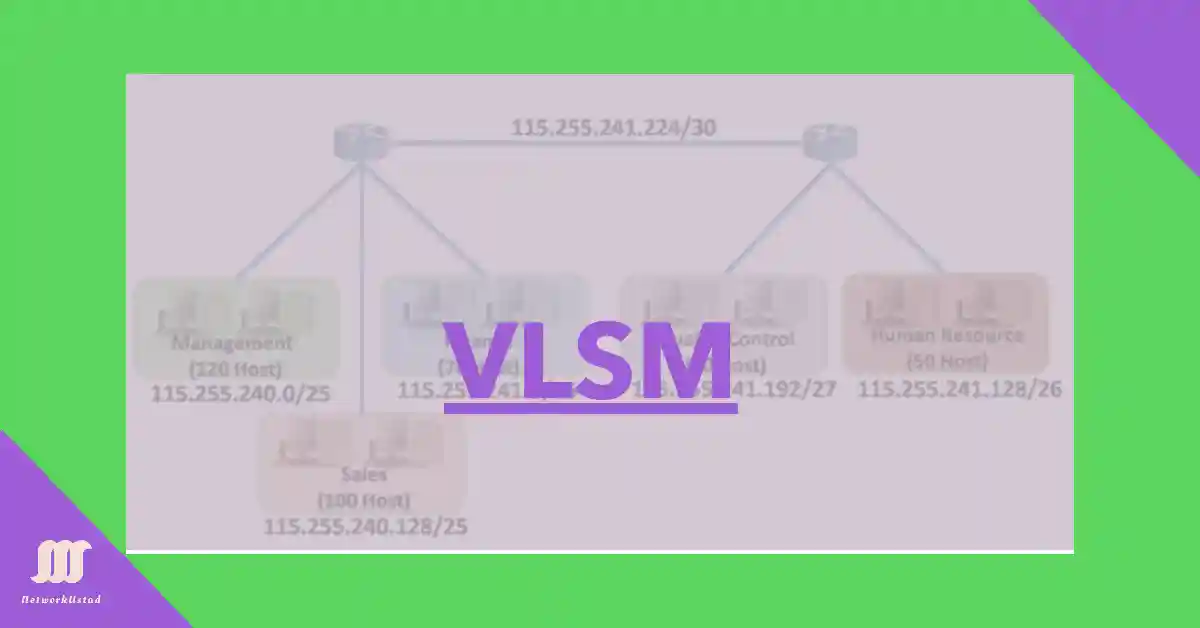
VLSM Insights: Avoid IP Waste with Precision Subnetting 2025 Guide
VLSM (Variable Length Subnet Masking) helps improve the use of IP address space, with applications in IPv6 internal segmentation as of June 2025. Using a variable-length subnet mask, we can assign LAN and WAN segments without wasting IP addresses. As shown in the scenario in the Figure below, the hosts in each subnetwork will be...
Master Subnetting Based on Network Requirement – Exclusive Guide 2025
Sometimes, the number of sub-networks is more critical than the number of host addresses per sub-network. For example, an organization wants to separate network traffic based on internal structure or department setup. In this case, subnetting based on network requirements is most important in determining how many bits to borrow. The addressing scheme must allow...
Master Subnetting Based on Host Requirements: Unleash Efficient Subnetting Success with Our 2025 Guide
Subnetting involves a trade-off: borrowing more host bits increases subnets but reduces hosts per subnet. For example, a /16 network with 16 host bits can be subnetted to /22 (64 subnets, 1022 hosts) or /28 (4096 subnets, 14 hosts), guiding network design as of June 2025. We consider either the host requirement or the network...
Creating 4000 Subnets from a /8 Prefix – Exclusive How to Guide
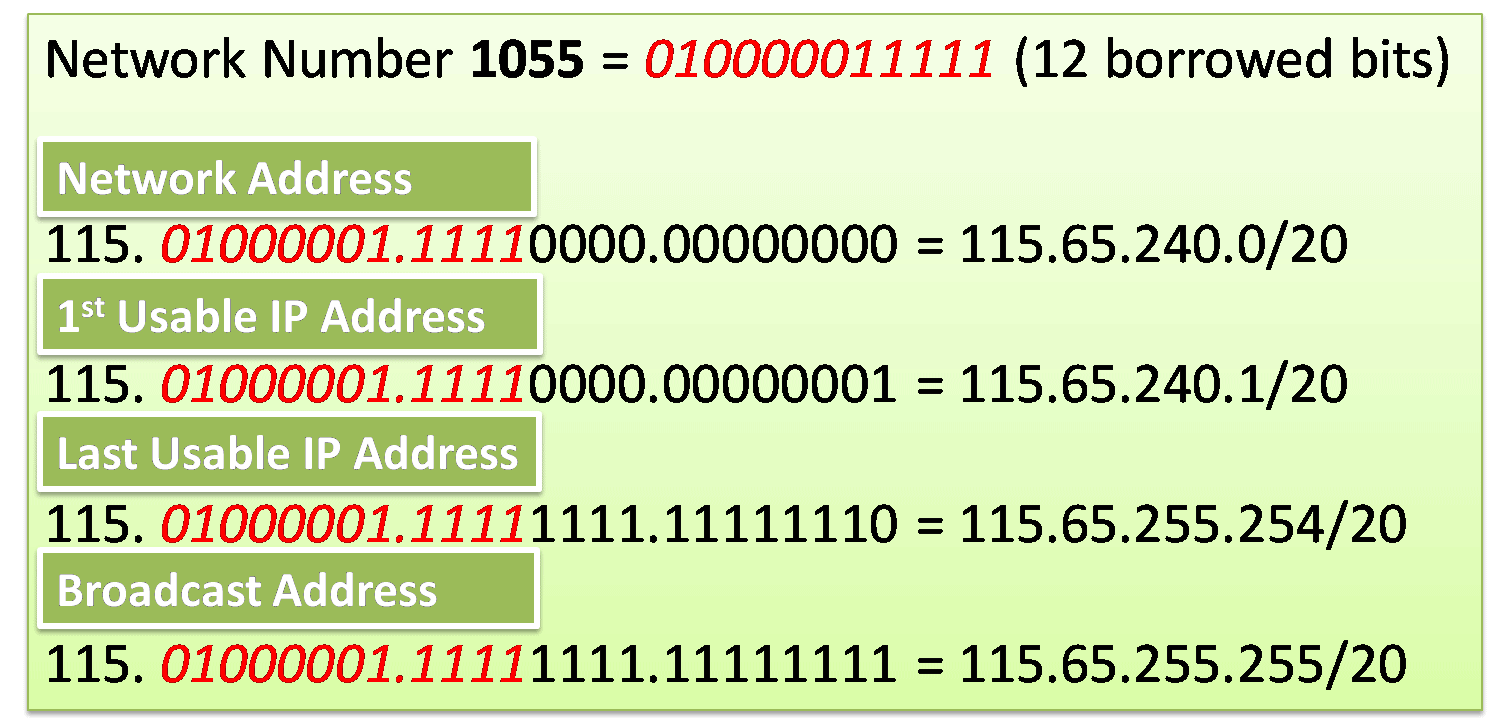
Some organizations need more subnets. For example, a small ISP requires 4000 subnets for its clients. Each client required abundant space in the host portion to create their subnets. The network address 115.0.0.0/8 has a default subnet mask of 255.0.0.0 or /8 prefix. The /8 prefix means that there are 24 host bits available to...

Subnetting Example with a /16 prefix – Exclusive How To Guide
In many situations, we require a large number of subnets. For example, the class B network address 130.20.0.0 has a default mask of 255.255.0.0 or /16 Prefix. So, this address has 16 network bits in the network portion and 16 host bits in the host portion, a concept adaptable to IPv6 /64 prefixes as of...
Classful vs Classless Addressing Definitive Guide 2025 – From Confusion to Confidence in IP Addressing
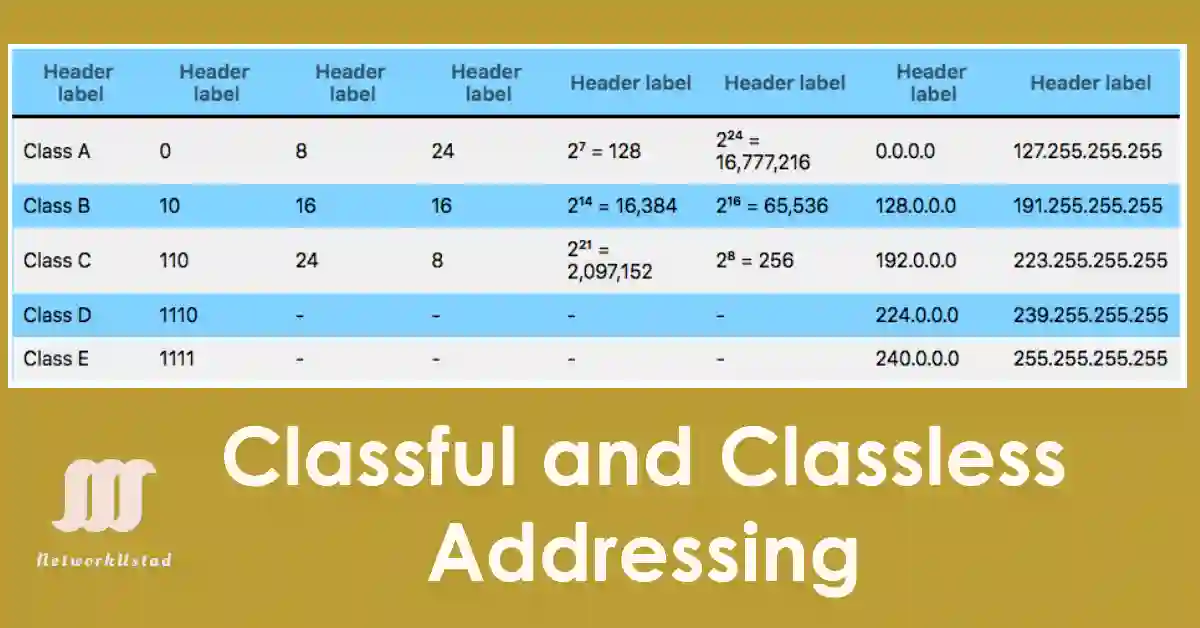
Classful addressing emerged in the early Internet (1980s) with fixed Class A, B, and C ranges, leading to IP address exhaustion. The introduction of CIDR in 1993 marked the shift to classless addressing, allowing flexible prefixes (e.g., /20) and supporting the IPv4-to-IPv6 transition Classful and Classless addressing are terms describing IP address structure, with classless...
Collision Domains and Broadcast Domains: A Complete Guide 2025
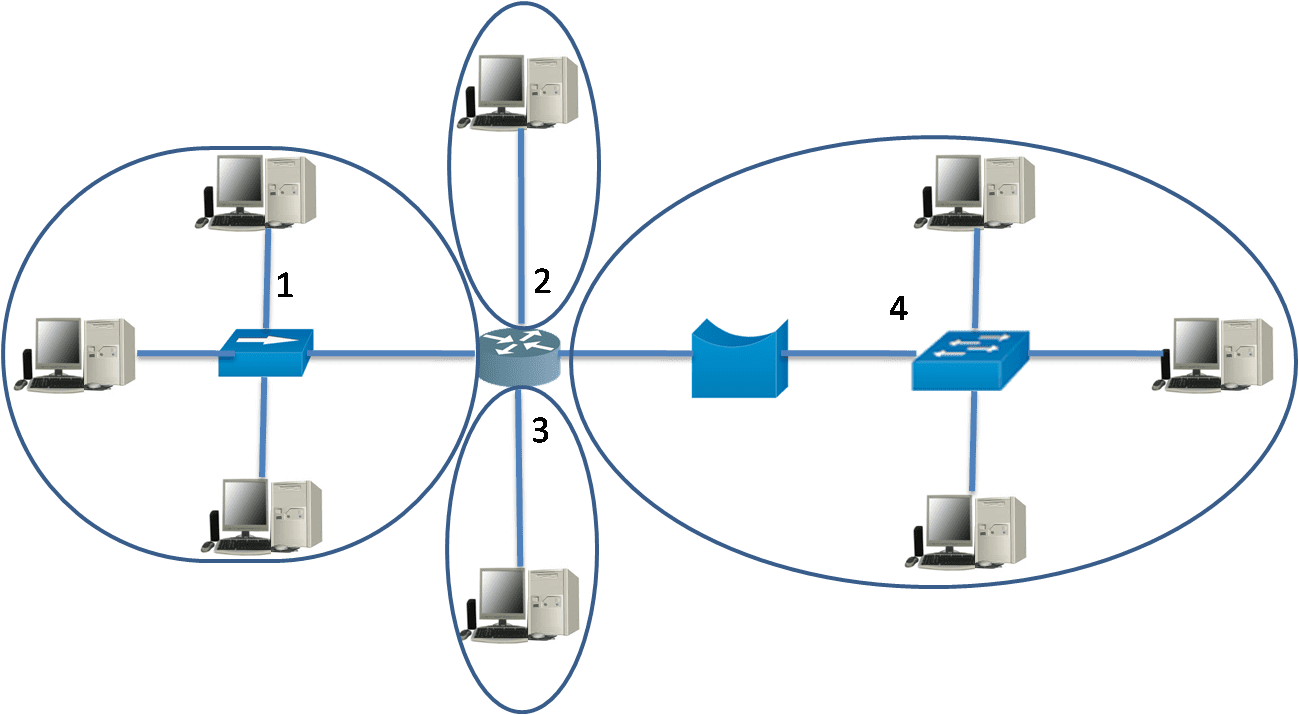
In the realm of networking, understanding collision domains and broadcast domains is fundamental for designing efficient and scalable networks, a critical skill for CCNA and CCNP certifications. A collision domain represents a network segment where data packets may collide if multiple devices transmit simultaneously, a common challenge in older Ethernet setups like those using hubs....
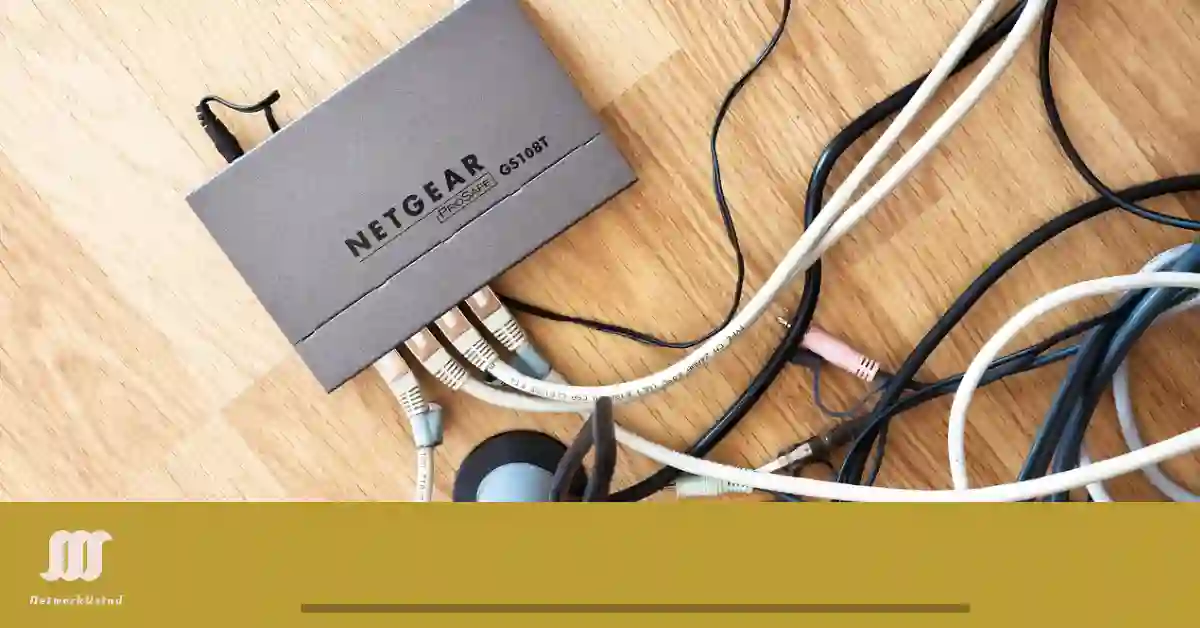
Subnetting Unveiled: Master the Art of Network Segmentation 2025
Subnetting allows a network administrator to create a smaller network known as sub-networks or subnets inside a large network by borrowing bits from the Host ID portion of the address. It implements and manages a practical IP addressing plan by partitioning a single physical network into more than one smaller logical sub-network (subnets), enhancing control...