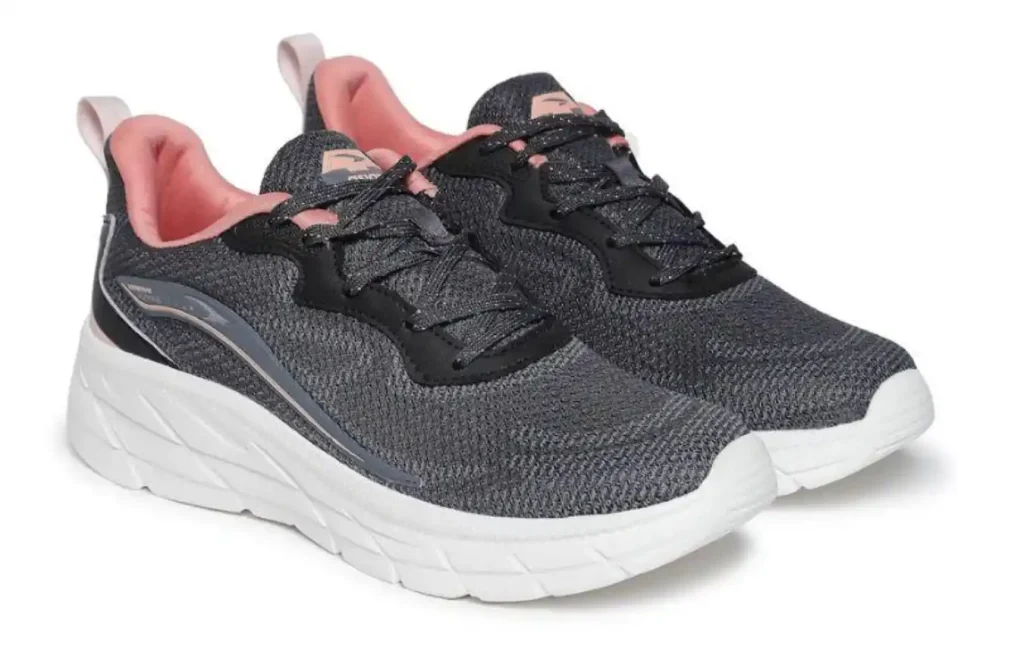

Sports shoes for women are ideal for rigorous movement and intensive exercise. They can be used in different settings: gym workouts, running, jogging, adventure sports, strength training and cardio, etc. The right pair of sports shoes protects the joints and absorbs shock from impact.
Choosing the right sports shoes has more to do with foot type, size and activity level than design and aesthetics. These play the main role in deciding how a pair performs over a period of time.
Common Features of Sports Shoes for Women
Sports shoes for women are for active movement and long hours of use. Their manufacturing is done while keeping optimal flexibility and comfort in mind.
- Cushioning: Padded midsoles absorb impact during activities like running and training.
- Support: Assistive heel and midfoot areas maintain balance and foot alignment. This is important for stability during workouts and everyday activity.
- Lightweight Build: Lightweight sports footwear for women allows easier movement and reduces fatigue over time.
- Breathability: Mesh and ventilated uppers allow airflow, which manages heat and moisture. This keeps feet comfortable during longer or more intense sessions.
- Grip: Textured outsoles provide traction on indoor and outdoor surfaces. A better grip helps with controlled movement and reduces the risk of slips.
Ideal Sports Shoes for Different Activities
Different workouts and daily activities require footwear that matches movement and impact levels. Choosing the right category is, hence, very important.
- Running and Training: The best women’s running and training shoes have proper cushioning and flexible soles. These features absorb repeated impact and provide forward motion during runs or high-intensity workouts.
- Walking and Daily Movement: Lightweight women’s walking shoes have moderate cushioning for long periods of standing or walking.
- Gym and Cross-Training: Shoes for gym and cross-training have supreme grip and lateral support. Cushioned midsoles combined with firm outsoles help during strength exercises and HIIT sessions.
- Casual Wear: Some sports shoes double as casual shoes for women because of their emphasis on comfort and preventing foot fatigue.
Precautions to Take When Choosing Sports Shoes for Women
Selecting the right sports shoes for women involves paying attention to a number of important factors.
- Try Shoes Later in the Day: Feet tend to swell slightly by evening. Testing shoes during this time gives the buyer a more accurate sense of fit for daily activity.
- Check Toe and Heel Fit: Adequate toe space prevents pressure or blisters and a secure heel fit ensures that the foot stays in place during movement.
- Test Flexibility and Grip: Bending, walking and short movement tests help assess sole flexibility and traction. Proper grip reduces the risk of slips.
- Match Shoes to Activity: Running and walking each require different levels of support. Using shoes for the purpose they are manufactured for brings comfort and prolongs durability.
- Consider Usage Frequency: Shoes worn daily should be more durable and supportive. Rotating between footwear options can help maintain cushioning and structure over time.
Final Recommendations
Choosing the right sports shoes for women depends on activity type, foot shape and daily usage. Proper support and cushioning ensure comfort during different settings and activities.
Understanding the differences between running shoes, gym shoes, walking shoes, and casual options helps in selecting footwear that matches both performance and lifestyle needs. With the right choice, sports shoes enhance comfort and also protect long-term foot health and everyday movement.
Frequently Asked Questions (FAQs)
Can sports shoes be used for both workouts and casual wear?
Some sports shoes designed with moderate cushioning and neutral styling can double as casual shoes for women. However, high-performance running or training shoes are best used for their intended activity to maintain support and durability.
How does foot type affect sports shoe selection?
Foot type influences cushioning, arch support and stability requirements. Flat feet and high arches each benefit from shoes designed to support natural alignment and reduce strain during movement.
How often should sports shoes be replaced with regular use?
With consistent use, cushioning and grip can degrade over time. Generally, running or training shoes should be replaced every 6–12 months, depending on activity intensity, while walking or casual sports shoes may last longer.