Have you ever been in a situation where you had three old devices sitting in a drawer, all of them still working, all of them ignored? The feeling is familiar because many people do the same thing without thinking much about it.
There is a quiet shift happening around this habit, and it is not loud or dramatic, just practical. People are starting to look at unused gadgets less like backups and more like idle money, and that small change in thinking is shaping how tech is bought, used, and let go.
The Habit of Holding on to Old Tech
Most people do not plan to hoard devices. It just happens over time. A phone gets replaced, then a laptop, then a pair of earbuds that still work but are no longer used. Each one feels too valuable to throw away and too small to deal with immediately, so it gets stored “for later.”
That later rarely comes. Instead, drawers fill up, cables get tangled, and devices slowly lose value while sitting still. It is not laziness exactly. It is more about friction. Selling something used has always felt like an effort, with questions, pricing, meeting strangers, and the general hassle that people would rather avoid.
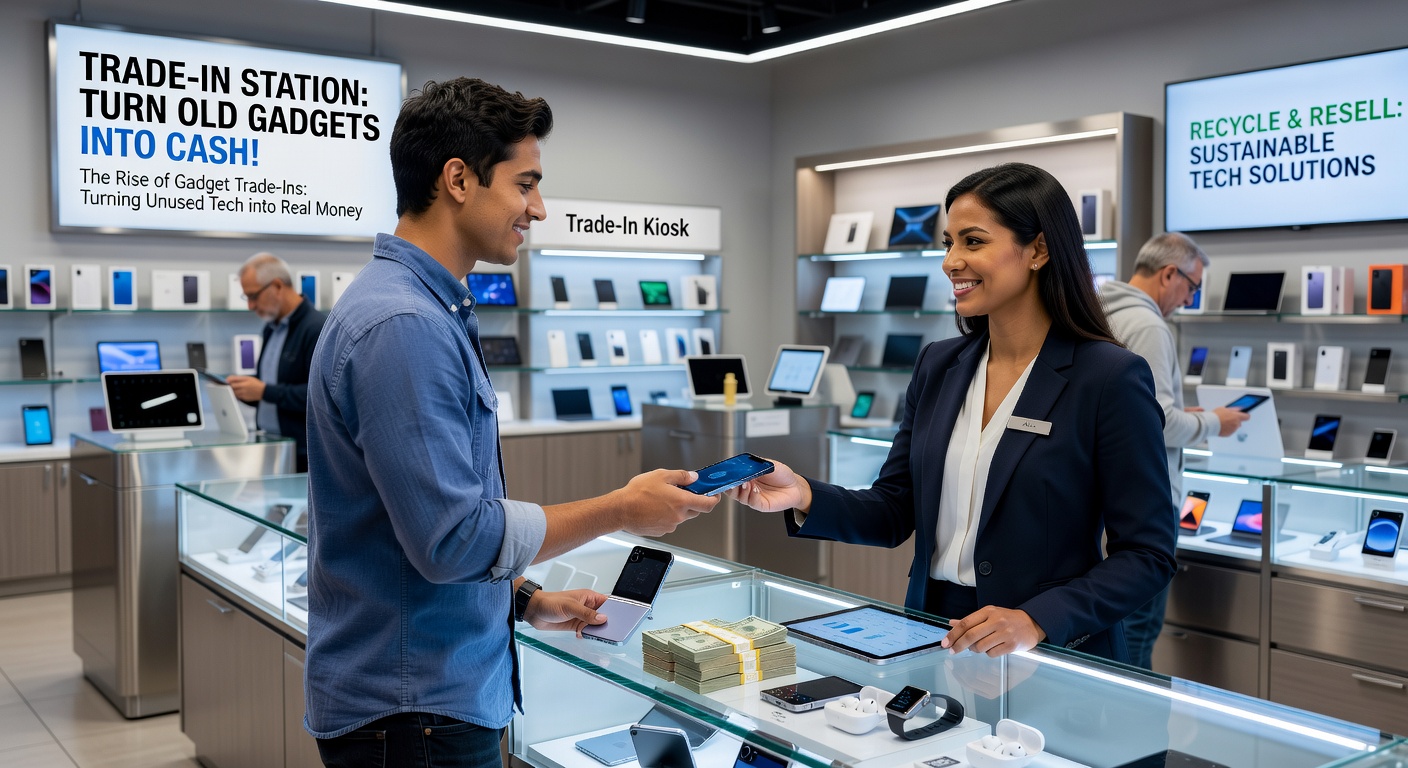
What changed is not the devices themselves but the systems around them. Trade-in platforms and buyback services have reduced that friction, and once the process becomes simple enough, behavior starts to shift.
Small Devices, Steady Value
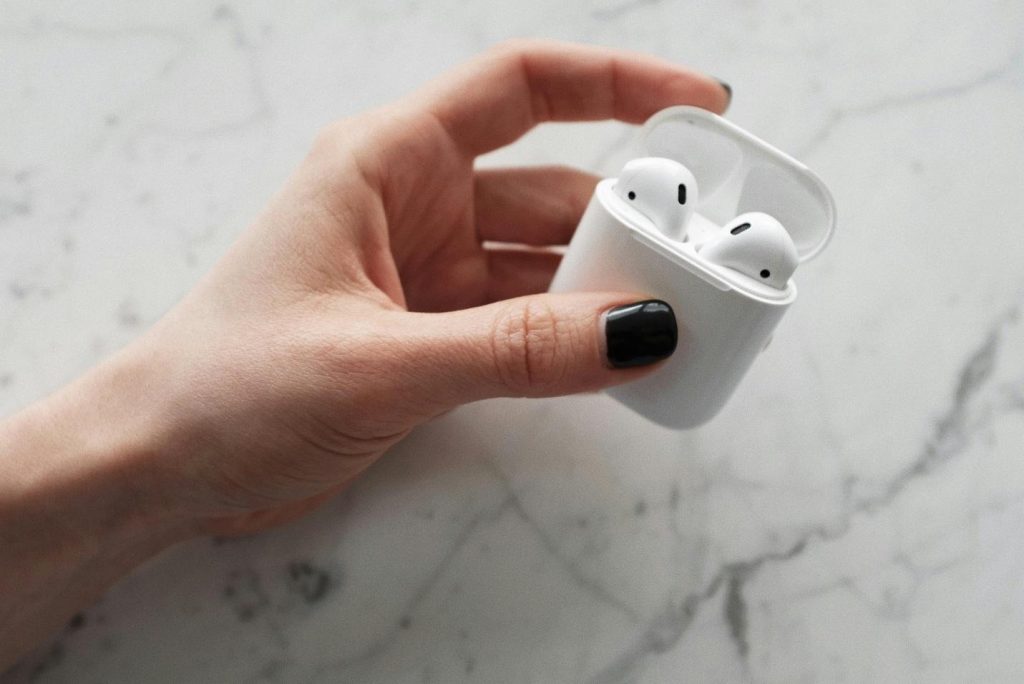
There is a growing awareness that even small accessories hold resale value, not just large devices like laptops or phones. Items like AirPods are now part of the resale conversation because people know they can sell AirPods for cash. This change did not happen overnight. It came from better pricing tools, wider demand for refurbished tech, and a steady push toward reducing electronic waste.
People are also becoming more careful with how they upgrade. Instead of stacking old items in drawers, they are starting to cycle them out. It feels more controlled. It also feels less wasteful, even if that was not the main goal at the start. The idea is not about chasing profit. It is about clearing out unused items without dealing with the usual complications, and getting something back instead of letting the value fade quietly over time.
Why Trade-Ins Feel Easier Now
A few years ago, selling used electronics meant posting listings, waiting for replies, negotiating prices, and sometimes dealing with people who never showed up. It worked, but it was inconsistent and often frustrating.
Now, the process has been simplified. Many trade-in services offer fixed pricing or quick evaluations, which removes the guesswork. Devices are checked, data is wiped, and payment is processed without much back and forth. It is not perfect every time, but it is predictable enough that people trust it more.
There is also a subtle shift in expectations. People no longer expect to get the highest possible price. They prefer a fair price that comes with less effort. That trade-off feels reasonable, especially when time and convenience are part of the calculation.
The Role of Upgrade Cycles
Tech companies release new models every year, sometimes more often, and while not everyone upgrades immediately, the cycle still influences behavior. Devices feel outdated faster, even when they work fine. This creates a steady flow of used gadgets entering the market. At the same time, there is demand from people who do not need the latest model. Students, small businesses, and budget-conscious users often look for reliable second-hand options.
Trade-in systems sit in the middle of this flow. They collect used devices, process them, and move them back into circulation. It is not a new idea, but it has become more organized and more visible. There is also a financial angle that people are starting to notice. Selling a device before its value drops too much can offset the cost of a new one. It is not a full recovery, but it softens the upgrade expense in a way that feels practical.
Trust and Data Concerns
One reason people held onto old devices for so long was concern about personal data. Phones, laptops, and even smaller gadgets store more information than most people realize. The idea of handing them over to someone else felt risky. That concern has not disappeared, but it is being managed better. Reputable trade-in services now emphasize data wiping and verification. Devices are reset, and in some cases, multiple checks are performed before resale or recycling.
It still requires a level of trust, and not every service handles it the same way. But the process is clearer than it used to be, and that clarity reduces hesitation. People are more willing to let go of devices when they understand what happens to their data.
Environmental Pressure, Even If It Is Quiet
Not everyone thinks about environmental impact when selling a gadget, but it plays a role in the background. Electronic waste has become a visible issue, and even small actions like trading in a device instead of discarding it contribute to a larger pattern.
Companies have also started to highlight this aspect, sometimes more than necessary, but the underlying point remains valid. Extending the life of a device reduces waste and makes better use of the materials already produced. For many users, this is not the main motivation. It is more like an added benefit. They want convenience and some return on their old tech, and the environmental angle comes along with it.
The Future of Gadget Trade-Ins
The trend toward trading in unused tech is likely to continue, not because it is exciting, but because it solves a simple problem. People have devices they do not use, and they prefer a straightforward way to convert them into something useful.
There will probably be more automation in pricing and faster processing times. Services may become more integrated with retailers, making trade-ins part of the buying process rather than a separate step. That would make the cycle even smoother.
At the same time, the basic idea will stay the same. A device that is no longer needed still has value, and that value can be recovered with less effort than before. It is a small shift in behavior, but it changes how people think about ownership. And maybe that drawer with old gadgets does not stay full for as long anymore.