
Picture yourself pedaling through a rainy urban street on your compact foldable electric bike, only to arrive at your destination covered in mud splashes and grime. Without proper fenders, this scenario becomes routine rather than exception. Fenders are essential accessories for adult foldable electric bikes, serving as the first line of defense against dirt, water, and debris that compromise both comfort and longevity. The core challenge many riders face is protecting themselves and their bikes from environmental hazards while maintaining the portability that makes foldable models attractive. This article addresses the needs of bike enthusiasts seeking high-quality, sustainable solutions for their urban commutes and recreational adventures. We’ll explore the different fender types available, guide you through selecting premium options that match your bike’s specifications, discuss eco-friendly materials and practices, and provide practical installation and maintenance steps. By the end, you’ll understand how the right fenders transform your riding experience while preserving your investment.
The Role of Fenders in Enhancing Your Foldable Electric Bike Experience
Fenders serve as critical protective barriers that transform your riding experience on foldable electric bikes. Beyond aesthetic appeal, they shield you from the constant spray of water, mud, and road debris that accumulates during urban commutes and recreational rides. When you’re navigating wet streets or unpaved paths, fenders prevent splashes from coating your clothing and skin, maintaining comfort throughout your journey. This protection extends significantly to your bike’s mechanical components—your brakes, motor, battery connections, and drivetrain remain cleaner and function more reliably when shielded from environmental contaminants. The preservation of these expensive components directly translates to reduced maintenance costs and extended bike longevity. For adult riders in urban settings, fenders also enhance safety by improving visibility and reducing the spray that might distract following cyclists or pedestrians. The foldable aspect of your bike benefits tremendously from fenders too; a cleaner bike stores more conveniently and transports without transferring grime to your bag or vehicle. Quality fenders maintain your bike’s appearance, protecting the frame finish and components from corrosion and wear. Whether you’re commuting daily or enjoying weekend adventures, fenders represent a practical investment that elevates comfort, safety, and sustainability while preserving your electric bike’s performance and resale value.
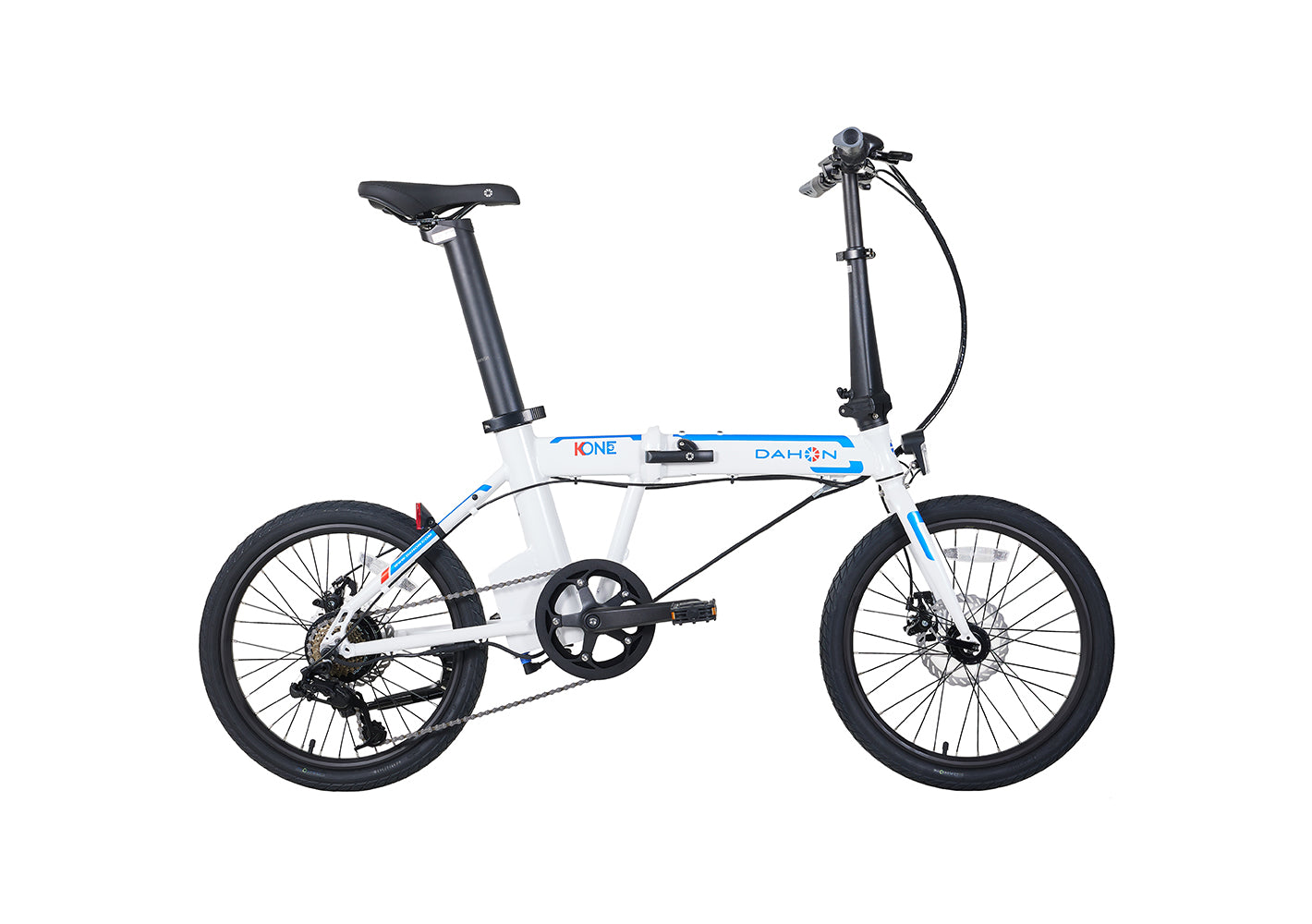
Understanding Fender Types: Compatibility with 20″ Disc Brake and V-Brake Bikes
Fenders for 20″ Disc Brake Bikes: Key Considerations
Disc brake systems require careful fender selection due to their positioning and mechanical complexity. The caliper assembly extends outward from the wheel hub, demanding fenders with adequate clearance to prevent interference during braking. Aluminum fenders offer superior durability and corrosion resistance compared to plastic alternatives, making them ideal for frequent riders in wet climates. When selecting fenders for 20″ disc brake bikes, prioritize models specifically designed with recessed brake areas or adjustable mounting brackets that accommodate the brake hardware. Stainless steel fasteners prevent rust and ensure secure attachment over time. Quality disc brake-compatible fenders maintain proper wheel alignment while providing full splash protection without compromising braking performance or responsiveness. Leading folding bike manufacturers like DAHON Bicycles have engineered fender solutions that seamlessly integrate with their compact frame designs, ensuring optimal compatibility and performance.

Fenders for V-Brake Bikes: Design and Installation Insights
V-brake systems feature brake arms that extend along the seat and chain stays, requiring fenders designed to avoid contact with these mechanical components. Lightweight plastic or composite fenders work particularly well for V-brake configurations since they reduce overall bike weight while maintaining adequate protection. Quick-release mounting systems allow riders to remove fenders conveniently without tools, essential for foldable bikes that require frequent adjustments. The key consideration involves positioning fender stays to clear the brake arms throughout their entire range of motion. Proper installation ensures fenders remain stationary during braking without creating friction or noise that compromises the riding experience.
Choosing Fenders for General Folding Bikes
Foldable frames demand fenders that don’t interfere with the folding mechanism or hinge points. Adjustable fender brackets accommodate the unique geometry of folding bikes, allowing riders to optimize clearance while maintaining protection. Quick-release systems prove invaluable for folding bike owners, enabling rapid fender removal before collapsing the frame for storage or transport. Compact fender designs specifically engineered for smaller wheel sizes ensure proportional coverage without adding bulk. Testing fender installation before committing to purchase helps verify compatibility with your specific folding mechanism and frame design.
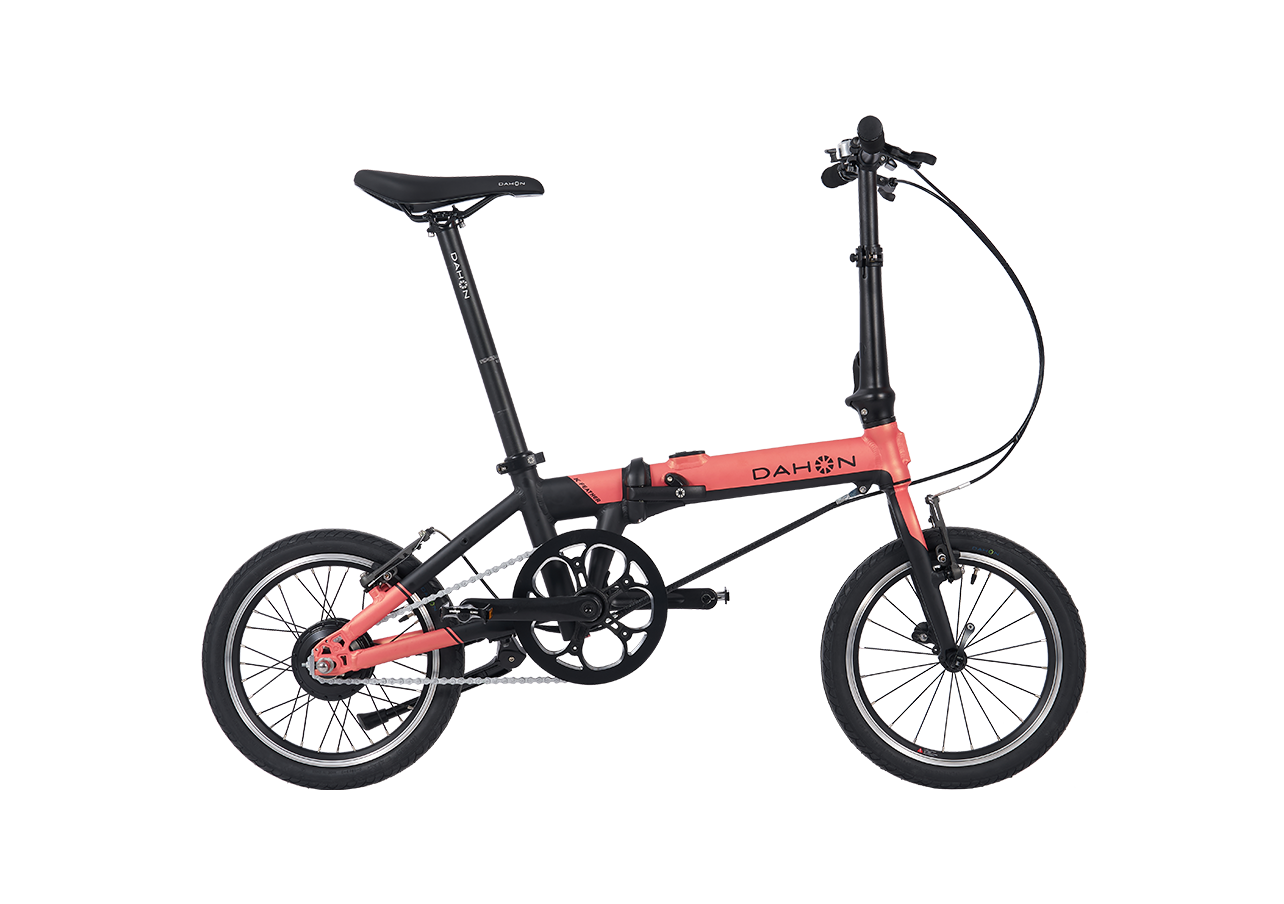
How to Select High-Quality Fenders: A Guide for Bike Enthusiasts
Selecting high-quality fenders requires understanding the materials and construction methods that determine long-term performance and durability. Aluminum fenders offer superior strength-to-weight ratios and excellent corrosion resistance, making them ideal for riders in wet climates or those seeking longevity. Stainless steel components ensure fasteners won’t rust over time, maintaining structural integrity through countless commutes. Examine the fender’s wall thickness and reinforcement ribs, which directly impact resistance to impacts and vibrations encountered on urban streets. Weather resistance extends beyond material selection—look for fenders with protective coatings or anodized finishes that shield against UV damage and oxidation. Installation ease matters significantly for foldable bike owners; quick-release mounting systems and adjustable brackets reduce setup time and frustration. Brand reputation and user reviews provide invaluable insights into real-world performance; established manufacturers typically offer better warranty support and replacement parts availability. Test compatibility with your specific bike model before purchasing, verifying that mounting points align with your frame geometry. Consider fenders engineered specifically for your wheel size and brake type rather than generic options that may compromise fit or function. Evaluate weight carefully—lighter fenders enhance portability without sacrificing protection. Finally, assess whether the fender design complements your bike’s aesthetic while delivering the protective functionality you need for daily riding confidence.
Sustainable Biking Solutions: Eco-Friendly Fender Practices
Embracing sustainable biking solutions means examining every component of your foldable electric bike, including fenders. Eco-friendly fender materials represent a significant step toward reducing environmental impact while maintaining performance standards. Recycled plastic fenders offer excellent durability and weather resistance while diverting waste from landfills—manufacturers increasingly utilize post-consumer recycled materials that perform comparably to virgin plastics. Biodegradable composite options derived from natural fibers provide an alternative for environmentally conscious riders willing to accept slightly shorter lifespans in exchange for reduced ecological footprints. Aluminum fenders, when sourced from recycled stock, combine durability with sustainability since aluminum maintains its properties through infinite recycling cycles without degradation.
Longevity directly correlates with environmental responsibility; fenders engineered for extended service life eliminate frequent replacement cycles that generate unnecessary waste and manufacturing emissions. Investing in quality fenders that withstand years of commuting ultimately produces lower environmental costs than cheaper alternatives requiring replacement every season. Proper maintenance practices amplify sustainability benefits by preserving fender integrity and preventing premature deterioration. Regular cleaning with eco-friendly soaps and water prevents corrosion that might otherwise necessitate replacement, while periodic inspections catch minor damage before it becomes irreversible. Choosing fenders with minimal packaging and supporting manufacturers committed to sustainable production practices multiplies your positive environmental impact. The broader sustainability equation encompasses how foldable electric bikes reduce transportation emissions compared to automobiles; protecting these bikes through quality fenders extends their functional lifespan and maximizes their environmental advantages. By selecting sustainable fender options and maintaining them conscientiously, you amplify your contribution to cleaner urban environments while enjoying cleaner, more reliable riding experiences.
Practical Guide: Installing and Maintaining Fenders on Your Foldable Electric Bike
Step-by-Step Installation Process
Begin by gathering essential tools: an adjustable wrench, hex key set, screwdriver, and measuring tape ensure smooth installation without complications. Position your foldable electric bike on a stable work stand, allowing full access to wheel areas and frame geometry. Align the fender bracket with mounting points on your frame, verifying clearance between the fender and wheel rim throughout the full rotation—spin the wheel manually to confirm no contact occurs. Secure mounting brackets using corrosion-resistant bolts, tightening firmly but avoiding over-torque that might crack plastic components or strip threads. For quick-release systems, engage the lever mechanism fully to ensure the fender locks securely in place. Test the folding mechanism with fenders installed, confirming they don’t interfere with hinge points or prevent proper frame collapse. Make final adjustments to fender height and angle, ensuring even spacing from the wheel and proper splash deflection toward the ground rather than your body.
Maintenance Tips for Long-Lasting Fenders
Establish a regular cleaning routine using mild soap, water, and soft brushes to remove accumulated dirt and grime that accelerates corrosion. Inspect fenders monthly for cracks, dents, or loose fasteners that compromise structural integrity and protective function. Lubricate quick-release mechanisms and adjustable brackets quarterly with lightweight bike oil, preventing rust and ensuring smooth operation. Check mounting bolts periodically, retightening as needed since vibrations from riding gradually loosen connections over time. Address minor damage immediately—small cracks can expand rapidly, while loose stays create rattling and misalignment. Replace fenders showing significant damage, warping, or corrosion that prevents effective protection. During winter months or after riding in salt-treated roads, increase cleaning frequency to prevent accelerated deterioration. Store foldable bikes with fenders in dry locations, avoiding prolonged exposure to direct sunlight that degrades plastic components and fades protective coatings.
Protecting Your Investment: The Complete Fender Solution
Fenders represent far more than decorative additions to your adult foldable electric bike—they’re essential investments in rider comfort, component longevity, and sustainable transportation. Throughout this guide, we’ve explored how different fender types serve specific brake systems, with 20″ disc brake bikes requiring careful clearance considerations while V-brake configurations demand thoughtful positioning around brake arms. General folding bikes benefit from adjustable quick-release systems that accommodate unique frame geometries without hindering collapse mechanisms. When selecting quality fenders, prioritize corrosion-resistant materials like aluminum and stainless steel fasteners that withstand urban commuting demands and weather exposure. Embracing eco-friendly fender options—whether recycled plastic or biodegradable composites—amplifies your environmental impact while maintaining protection standards. Proper installation using our step-by-step approach ensures fenders function optimally without compromising your bike’s portability or safety features. Regular maintenance through gentle cleaning, fastener checks, and prompt damage repair extends fender lifespan significantly, reducing waste and replacement costs. By applying this knowledge to select appropriate fenders for your specific bike type and maintaining them conscientiously, you’ll enjoy cleaner rides, preserve your investment’s resale value, and contribute to more sustainable urban mobility. Your commitment to quality fenders transforms every commute into a more pleasant, protected experience while supporting the longevity and environmental benefits that make foldable electric bikes exceptional transportation solutions.