Working with energy and utilities is really tough because it can be very dangerous. People who fix things in the field have to be careful all the time when they are working with machines checking wind turbines or dealing with live electricity. If you look away from what you’re doing just to check a tablet or a manual you can get hurt very easily. To make this safer, companies are using training with something called MR to help people be more aware of what is going on around them when they are working. This way the people who fix things can keep their hands free and their eyes on what they’re doing which helps prevent accidents and makes sure the work is done correctly.
Key things to remember:
- Using smart glasses that know what is going on around them helps the people who fix things in the field keep their hands free and their eyes on the dangerous work they are doing.
- Putting diagrams of electricity grids over the real thing in the field helps reduce confusion when doing complicated repairs.
- Making sure the equipment is strong enough to withstand conditions in construction and energy work is very important.
- Practicing situations using simulated maintenance helps people get used to doing things the right way without actually being in danger.
- Working with a company that specializes in this kind of technology like Roundtable Learning ensures that the new technology is used in a reliable way.
The Urgency of Hands-Free Situational Awareness
In the utility and construction sectors situational awareness is really important for every employee. This is because utility and construction employees often work in dangerous places. They have to work at elevations or in small spaces, near equipment that can hurt them if they are not careful. When utility and construction employees are working near high-voltage equipment they have to pay attention all the time. Losing focus is not something that utility and construction employees can afford to do. Situational awareness is what keeps utility and construction employees safe. Traditional reference materials naturally force technicians to look away from their work, creating temporary but highly dangerous blind spots. Implementing MR training eliminates this physical hazard entirely by placing critical digital information directly into the user’s natural field of view.
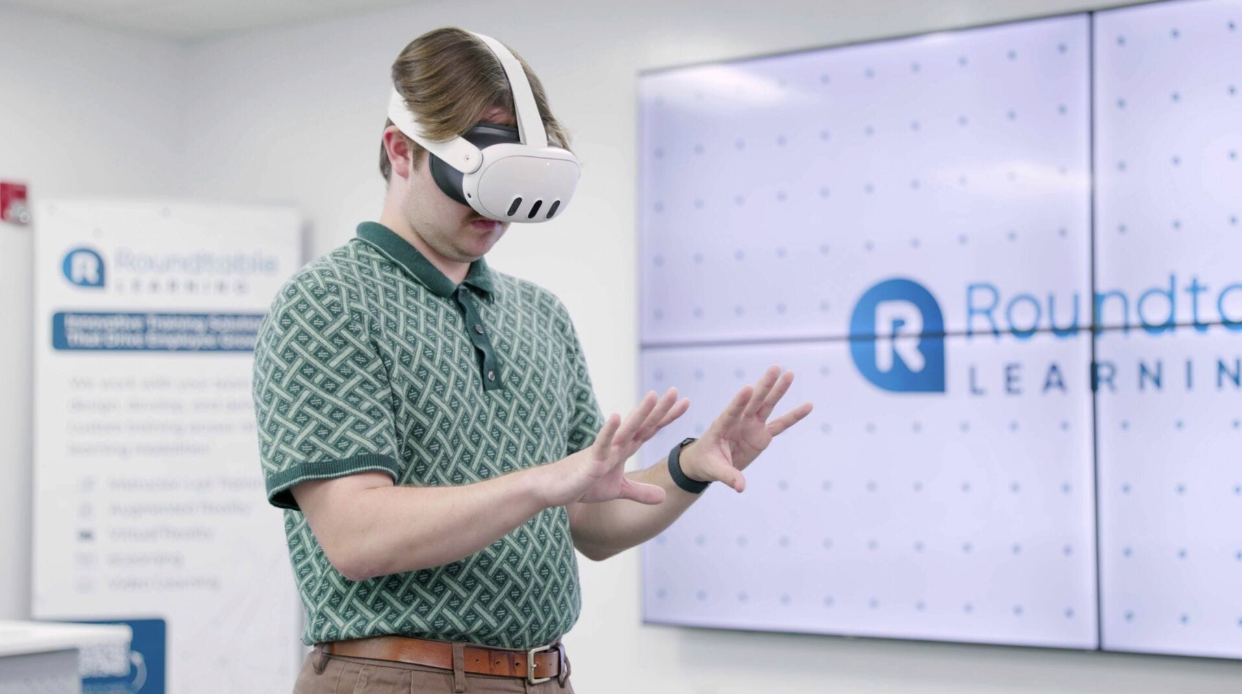
Lightweight, context-aware smart glasses allow equipment operators to view step-by-step maintenance instructions without ever losing sight of their immediate surroundings. This spatial awareness ensures that employees can actively monitor their physical environment while absorbing vital digital data. They can keep both hands firmly on their specialized tools, maintaining balance and absolute control during highly complex procedures.
Overcoming the Limitations of Traditional Manuals
Paper manuals and mobile tablets are highly inefficient when a worker is wearing heavy protective gloves or standing on a precarious ladder. Technicians often have to stop working entirely, remove their safety gear, and navigate a clunky user interface to find a specific wiring diagram. MR training bypasses this friction by using voice commands and eye-tracking technology to navigate through digital reference materials.
A technician can simply ask their headset to display the next step in a procedure, keeping their workflow completely uninterrupted. This hands-free approach not only protects the employee from environmental hazards but also dramatically speeds up the overall maintenance process. Reducing the time spent searching for information allows field workers to focus entirely on the quality and safety of their mechanical repairs.
Advancing Operations with Mixed Reality Training Solutions
Transitioning to mixed reality training fundamentally changes how enterprise maintenance teams interact with their physical environment. These advanced systems project interactive holographic diagrams and real-time operational data directly onto physical machinery. Technicians can view live grid schematics overlaid exactly onto the dangerous field assets they are assigned to inspect or repair.
This direct overlay immediately removes the cognitive load required to translate a 2D tablet drawing into a 3D physical task. Workers see exactly which industrial valve to turn or which high-voltage wire to bypass, indicated by a bright, glowing digital marker. Utilizing advanced mixed reality training solutions ensures that the learning process perfectly mirrors the exact physical conditions technicians will encounter.
Deploying Ruggedized Gear for Energy and Construction
Standard consumer headsets are simply not built to withstand the extreme rigors of an active construction site or a remote utility plant. Deploying MR training effectively requires ruggedized hardware designed specifically for heavy industrial use.These smart glasses are really tough. They can handle dust, water and accidental hits. So they work well in really tough conditions.
Industrial headsets are designed to be worn with safety gear, like hard hats and thick goggles. This means safety rules aren’t broken just to use technology. Technicians get to use data and still follow strict safety rules. They can wear these headsets with their protective gear. The headsets are made to work with hats and safety goggles. This way technicians are safe. Can use the headsets. These headsets help technicians do their job better. They provide information and keep technicians safe. The headsets are designed for use in conditions. They are made to withstand use.
Optimizing Safety Through Live Maintenance Simulations
High-risk maintenance tasks often leave zero room for error, making on-the-job practice a significant organizational liability. MR training provides a highly secure digital environment for employees to run through complex procedures before ever interacting with a live power grid. When workers do maintenance training, with simulations they get the skills they need and they feel more confident. They do not have to worry about getting hurt by voltage or bad chemicals. These simulations teach workers what to do in an emergency. They show workers what to do when machines break down.The simulations can make it seem like there are sparks or leaks or loud noises. This helps workers stay calm and do the thing. Workers can practice these situations with the simulations. So when something bad really happens the maintenance worker’s body will just react automatically. They will do the right thing. They will be very accurate because they practiced with the maintenance simulations.
Remote Assistance and Collaborative Learning
Another major advantage of MR training is the ability to connect field workers with remote subject matter experts instantly. A senior engineer located miles away can tap into the smart glasses‘ camera feed to see exactly what the on-site trainee sees. They can provide real-time audio guidance, draw digital arrows on the technician’s view, and help troubleshoot complex machinery issues together.
This collaborative approach accelerates the onboarding process while ensuring strict adherence to enterprise safety standards across distributed teams. Junior technicians feel highly supported knowing they have immediate access to veteran knowledge without needing another person physically present on a dangerous site.
Partnering with Mission-Critical Industry Experts
Deploying a lot of hardware for a big company is not just about buying some headsets and giving them to the employees. The company needs to think carefully about how to make the software work well with the hardware, how to get the employees to use it and how to fix any problems that come up later. To make sure everything goes smoothly it is an idea for the company to work with a special company that knows what they are doing.
Companies like Roundtable Learning are very helpful to organizations that are using mixed reality training in areas where there are a lot of rules and a lot of things can go wrong. They possess the specific technical expertise required to design context-aware simulations that map perfectly to your unique field assets. Choosing a provider that truly understands the strict safety requirements of utility environments guarantees that your investment directly supports your operational goals.
A specialized partner will actively help you navigate the hardware selection process, ensuring you deploy the exact ruggedized gear suited for your field conditions. They also assist in translating your existing manuals and procedures into highly interactive holographic overlays. This end-to-end support transforms a complex technological deployment into a highly manageable, successful organizational upgrade.
The Future of Hands-Free Field Service Operations
The adoption of spatial computing in the industrial sector represents a massive leap forward for overall workplace safety and operational efficiency. Providing field service technicians with hands-free access to data minimizes physical risks while maximizing their daily productivity. As the hardware becomes even lighter and the software more intelligent, the practical applications for MR training will only continue to expand.
By using this technology utility, energy and construction companies show they are ahead of the game. They prove they really care about their workers safety and give them the tools to do their job. These companies want to make sure their workers are safe and have what they need. When they start using these systems their maintenance teams become more confident and skilled and can handle tough jobs in the field.They make their workforce safer and more confident. The utility, energy and construction companies are able to tackle demanding field operations.