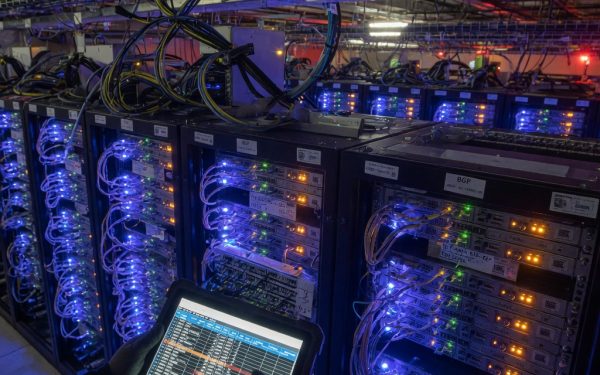
Cybersecurity teams are facing mounting pressures as they navigate the rapidly evolving digital landscape, with stressors like the rise of artificial intelligence (AI) forcing significant changes in their approach. In a report released by the Cybersecurity and Infrastructure Security Agency (CISA), experts warn that the increasing prevalence of AI-powered tools and the growing sophistication of cyber threats are fundamentally reshaping the way security professionals must operate.
The AI Disruption: Handling a New Cybersecurity Paradigm
According to the CISA report, the integration of AI into cybersecurity tools has both enabled and challenged security teams. On one hand, AI-driven systems can automate routine tasks, analyze vast troves of data, and detect anomalies more efficiently than human analysts. However, the very same AI capabilities are being used by malicious actors, who are using them to launch more complex and targeted attacks.
Evolving Skill Sets and Organizational Adaptations
To keep pace with these changes, cybersecurity teams are being forced to evolve their skill sets and organizational structures. The report highlights the need for security professionals to develop a deeper understanding of AI technologies, both in terms of their defensive and offensive applications. organizations are restructuring their security teams to incorporate specialized AI and machine learning (ML) experts, who can help integrate these advanced capabilities into their security strategies.
The Talent Gap and Upskilling Challenges
One of the key challenges facing cybersecurity teams is the growing talent gap. As the demand for AI-savvy security professionals increases, organizations are struggling to find and retain the necessary expertise. The report emphasizes the importance of complete upskilling and training programs to ensure that existing security teams can adapt to the changing landscape.
Collaboration and Information Sharing
To effectively combat the evolving cyber threats, the report stresses the need for greater collaboration and information sharing among cybersecurity teams, both within and across organizations. By sharing best practices, threat intelligence, and lessons learned, security professionals can better prepare for and respond to the latest AI-powered attacks.
The Road Ahead: Embracing AI, Enhancing Resilience
As the cybersecurity landscape continues to evolve, the CISA report underscores the importance of embracing AI and other emerging technologies as part of a complete security strategy. By adapting their skills, organizational structures, and collaborative efforts, cybersecurity teams can navigate this new era and enhance the overall resilience of their organizations against the growing threat of AI-powered cyber attacks.