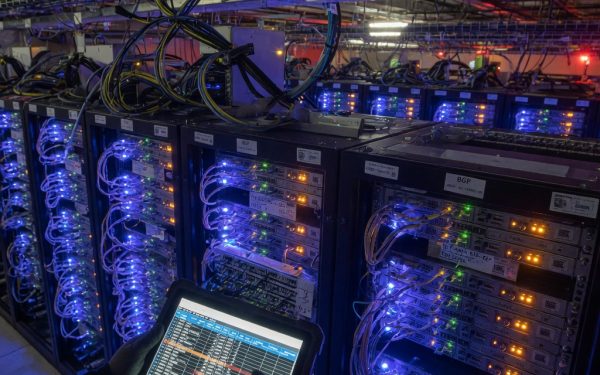
Cybersecurity teams are facing mounting pressures as they navigate the rapidly evolving digital landscape, with AI-powered threats and workplace stressors forcing organizations to adapt their strategies and resources. A recent study by the Cybersecurity and Infrastructure Security Agency (CISA) announces the challenges these teams are confronting, underscoring the need for complete solutions to support their critical work.
Escalating Cyber Risks Driven by AI
The report found that the growing sophistication of AI-enabled cyber attacks is a primary concern for cybersecurity professionals. Adversaries are increasingly using machine learning and natural language processing to automate and scale their malicious activities, from phishing campaigns to network intrusions. This has placed a significant burden on security teams, who must constantly monitor for new threats and develop countermeasures to protect their organizations.
Workplace Stressors Exacerbate the Challenge
In addition to the technical challenges, the study also highlighted the impact of workplace stressors on cybersecurity teams. Long hours, high-pressure environments, and the constant need to stay ahead of evolving threats are taking a toll on employee well-being and job satisfaction. This, in turn, is leading to increased burnout, turnover, and difficulty in recruiting and retaining top talent – further straining the already overburdened cybersecurity workforce.
Adapting to the New Reality
To address these pressing issues, organizations are turning to a combination of technological and human-centric solutions. Many are investing in advanced AI-powered security tools to automate threat detection and response, freeing up their teams to focus on more strategic initiatives. At the same time, there is a growing emphasis on using complete wellness programs, mental health support, and work-life balance initiatives to support the well-being of cybersecurity professionals.
Collaboration and Continuous Learning
Industry experts also highlight the importance of collaboration and continuous learning to stay ahead of the curve. Cybersecurity teams are increasingly partnering with academia, government agencies, and industry peers to share best practices, threat intelligence, and new approaches. ongoing training and professional development are important to ensure that security personnel can adapt to the rapidly changing threat landscape.
The Path Forward
As the cybersecurity landscape continues to evolve, organizations must be proactive in addressing the challenges faced by their security teams. By investing in the right combination of technology, wellness programs, and collaborative initiatives, they can empower their cybersecurity professionals to be more resilient, effective, and better equipped to protect their organizations in the face of AI-driven threats and workplace stressors.