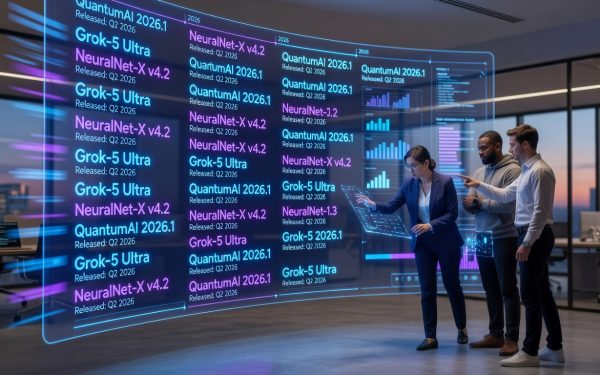
Alert Flood Control System Introduced
A new system designed to manage high volumes of digital alerts has shown effectiveness in tackling the persistent challenge of alert overload faced by businesses and IT departments. This development addresses a long-standing issue where a constant stream of notifications can hinder an organization’s ability to respond to critical events efficiently.
Addressing Alert Overload
The problem of excessive alerts, often dubbed the “alert firehose,” has increased with the growing complexity of IT infrastructure and the proliferation of monitoring tools. Companies frequently find their teams overwhelmed by a deluge of notifications, many of which are redundant or low-priority, obscuring truly important incidents.
Previously, organizations struggled to differentiate between actionable alerts and background noise. This often led to delayed responses to genuine threats or system failures, incurring significant operational costs and potential service disruptions. The introduction of more sophisticated filtering and prioritization mechanisms aims to restore focus to essential alerts.
System Capabilities
The new approach employs advanced algorithms to filter, categorize, and prioritize incoming digital alerts. It works by analyzing alert patterns, identifying dependencies, and suppressing duplicate or less critical notifications. This allows IT staff and operational teams to concentrate on alerts that require immediate attention, improving response times and resource allocation.
Initial deployments indicate a notable reduction in the volume of non-critical alerts reaching human operators. This shift is intended to reduce alert fatigue, a common problem where employees become desensitized to warnings due to their sheer volume, potentially overlooking serious issues.
Impact on Operations
Businesses using the system have reported improvements in operational efficiency and incident management. By providing a clearer, more manageable stream of information, teams can react more quickly and effectively to system anomalies and security threats. This targeted approach is expected to minimize downtime and enhance overall system reliability.
The system’s ability to manage the digital alert stream effectively represents a significant step forward for organizations grappling with the complexities of modern IT environments. For instance, AlertSolutions Inc.’s AlertStream Controller is proving effective in managing excessive digital alerts by filtering and prioritizing them.
Industry Response
Industry experts have noted the growing need for solutions that can intelligently manage digital notifications. “The sheer volume of data and alerts generated by today’s systems demands a more intelligent approach than simply forwarding every notification,” stated a cybersecurity analyst familiar with the technology. “This kind of system helps ensure that critical information isn’t lost in the noise.”
The development marks a continued effort within the tech industry to create tools that not only monitor systems but also interpret and act upon the data they generate in a more meaningful way. Another example is how a new system tames digital alert overload for businesses, providing a more focused operational view.