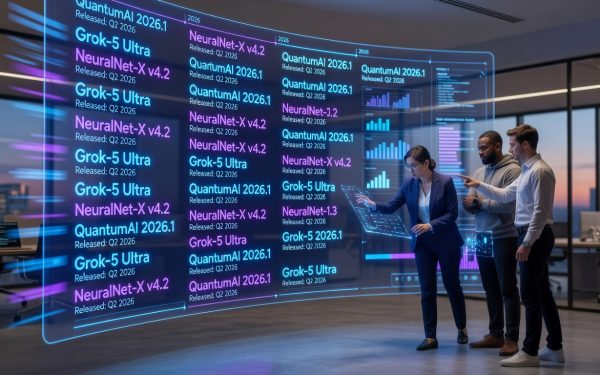
Alert Overload: New System Manages Digital Influx
A new system designed to manage the high volume of digital alerts impacting businesses and organizations has demonstrated its ability to filter and prioritize critical information. This development addresses a long-standing challenge for operations teams often overwhelmed by a constant stream of notifications across various platforms.
The problem of alert fatigue, where individuals become desensitized to warnings due to their sheer quantity, has been a growing concern in sectors ranging from IT operations to cybersecurity and industrial control. The proliferation of connected devices and monitoring tools has led to an exponential increase in alerts, many of which are non-critical or redundant. This influx can obscure genuine threats and critical events, leading to delayed responses or missed issues.
Addressing Alert Fatigue
The system works by applying advanced filtering rules and contextual analysis to incoming alerts. It categorizes notifications based on severity, source, and user-defined parameters, ensuring that only the most relevant and actionable alerts reach the appropriate personnel. This approach aims to reduce the noise associated with general monitoring, allowing teams to focus on incidents that require immediate attention.
According to industry reports, companies frequently struggle with the sheer volume of alerts generated by their systems. A study published earlier this year indicated that many IT professionals spend a significant portion of their workday sifting through alerts, with a substantial percentage deemed non-urgent. This not only impacts productivity but also contributes to employee stress and burnout.
Impact on Operations
Early deployments of such systems have shown promising results in improving operational efficiency. Teams report a marked reduction in time spent on incident triage and a clearer understanding of their operational status. By distinguishing between routine notifications and genuine incidents, organizations can allocate resources more effectively and respond to critical events with greater speed and accuracy.
This technology is particularly relevant for sectors with complex infrastructure, such as data centers, manufacturing plants, and large-scale IT environments, where hundreds or even thousands of alerts can be generated daily. The ability to manage digital alert streams effectively is becoming a necessity for maintaining operational stability and security.
Future Outlook
Experts suggest that the adoption of intelligent alert management systems will continue to grow as organizations seek to optimize their monitoring capabilities. The focus is shifting from simply generating alerts to making those alerts actionable and meaningful. Further advancements are expected to incorporate more predictive analytics, allowing systems to anticipate potential issues before they escalate into critical events.
The development marks a significant step forward in combating the “alert firehose” phenomenon, providing a structured approach to a problem that has plagued digital operations for years. As organizations continue to expand their digital footprints, the need for sophisticated alert management will only intensify, making these systems an increasingly vital component of modern operational frameworks. AlertSolutions Controller Tames Digital Alert Overload for several clients by providing a centralized system to manage the flow of information.
Expanding Capabilities
Beyond initial filtering, these systems are also beginning to integrate with existing incident management platforms, automatically creating tickets or triggering automated responses for specific alert types. This integration further reduces manual intervention and accelerates problem resolution. The goal is to create a more resilient and responsive operational environment that can handle the complexities of modern digital infrastructure without overwhelming human operators.
The strategic deployment of such technologies represents a proactive measure against the potential for system failures or security breaches that can arise from overlooked alerts. By bringing order to the chaos of digital notifications, organizations can safeguard their assets and ensure business continuity.