Alert Overload Solutions Emerge
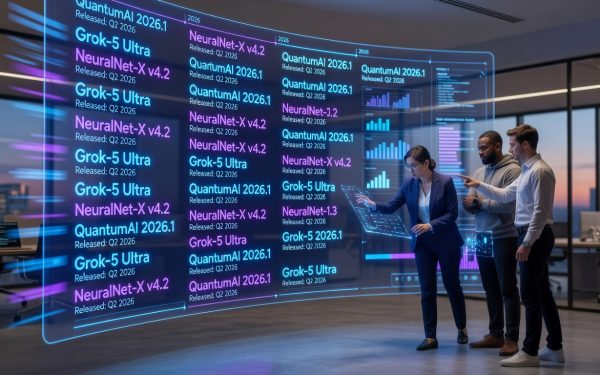
New strategies and technologies are beginning to address the persistent challenge of alert fatigue in digital environments. Organizations across various sectors, from cybersecurity to IT operations, are seeking more effective ways to manage the constant stream of notifications that can overwhelm personnel and obscure critical threats. This development marks a shift towards more intelligent filtering and prioritization systems designed to make alert management more efficient.
The Problem of Constant Alerts
For years, professionals in IT and cybersecurity have contended with what is often described as an “alert firehose” – a continuous flood of notifications generated by monitoring systems. This volume can lead to missed genuine threats, delayed responses, and employee burnout. Studies have consistently pointed to alert fatigue as a significant factor in security incidents and operational inefficiencies. The sheer quantity of data points and potential issues reported by various platforms often makes it difficult for human operators to distinguish between minor anomalies and serious incidents requiring immediate attention.
Emerging Filtering Technologies
Several approaches are gaining traction to counter this issue. One notable development involves the increased adoption of artificial intelligence and machine learning algorithms to process and contextualize alerts. These systems are designed to learn from historical data, identify patterns, and assign criticality rankings to incoming notifications. This allows for a more refined filtering process than traditional rule-based systems, which can often be too rigid or require extensive manual configuration. For instance, new systems are emerging to tackle digital alert overload. These solutions aim to reduce the noise by automatically correlating related events and suppressing redundant notifications. Another example is the Sentinel AI System, which filters digital alerts by using advanced analytics to prioritize threats and reduce false positives. This type of automated intelligence helps human analysts focus on the most relevant information.
Impact on Operations
The primary goal of these advancements is to improve operational efficiency and enhance security postures. By reducing the number of irrelevant or low-priority alerts, teams can dedicate more time and resources to investigating and resolving critical issues. This not only speeds up response times but also helps prevent the oversight of significant threats that might otherwise be buried in a deluge of less important notifications. The shift towards more intelligent alert management is expected to lead to more proactive and less reactive security and IT operations.
Future Outlook
Experts suggest that the evolution of alert management will continue towards even greater automation and predictive capabilities. Future systems may not only filter existing alerts but also anticipate potential issues before they manifest as full-blown incidents. This proactive stance would represent a significant step forward from the current reactive model, offering organizations a stronger defense against an increasingly complex threat landscape. The focus remains on making digital environments more manageable for the human element, ensuring that technology serves as an aid rather than another source of overwhelm.