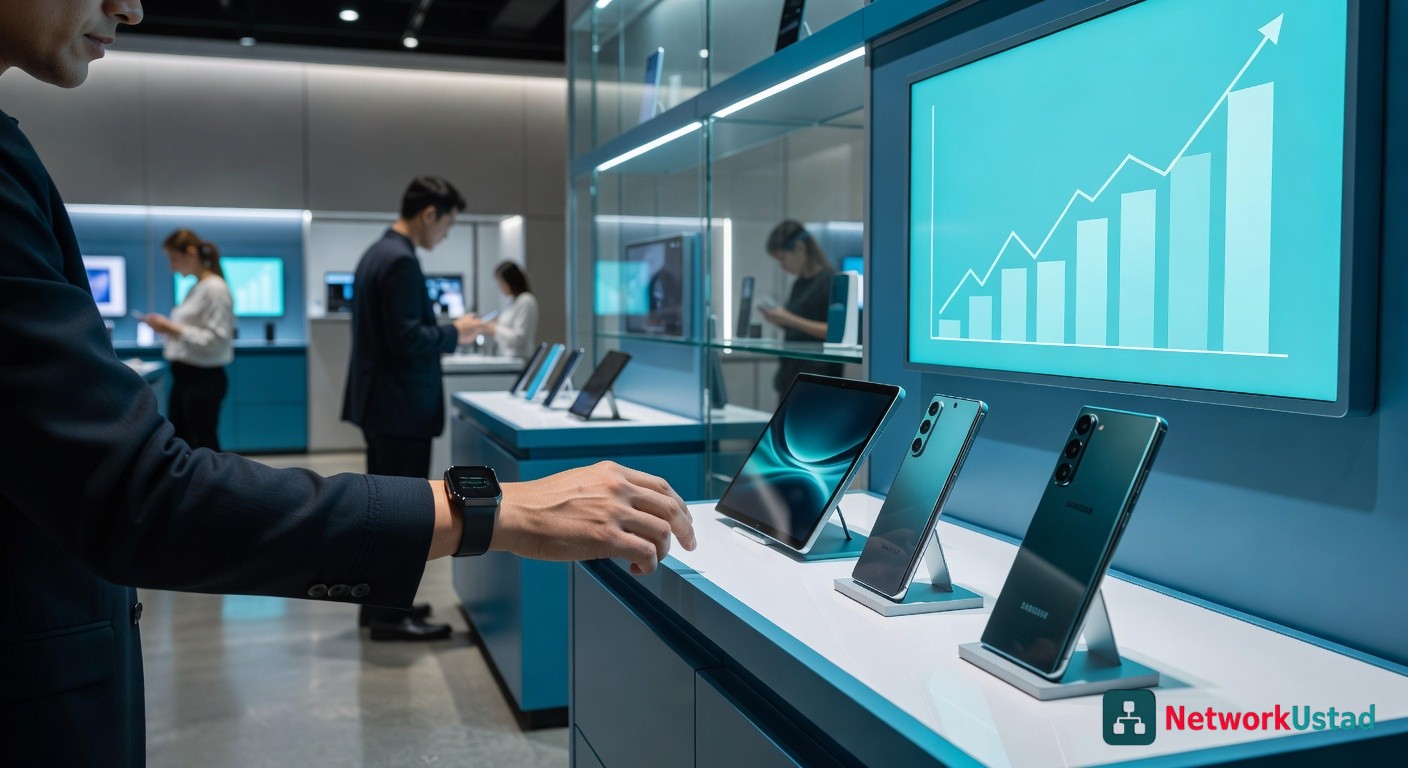
Samsung Electronics announced on Monday that it will increase prices for its Galaxy series smartphones and tablets across major markets, effective immediately.
The price adjustment affects a range of devices, including the latest Galaxy S and Galaxy Tab models. Company officials stated the move responds to rising production costs and global supply chain pressures. Details on the exact percentage increases remain pending confirmation, but reports indicate hikes of up to 10 percent in select regions.
Key Details
Samsung’s Galaxy lineup includes flagship phones like the Galaxy S series and mid-range options, alongside tablets such as the Galaxy Tab S9. The price rises apply to both new purchases and some ongoing promotions. In the United States, base models could see adjustments starting at around $50, though exact figures vary by retailer and region.
Consumers in Europe and Asia are also impacted, with similar proportional increases. Samsung emphasized that the changes aim to maintain product quality amid economic challenges. For instance, components like displays and processors have faced higher costs due to material shortages.
Market Context
This development comes as the smartphone and tablet market faces broader inflationary trends. Competitors like Apple and Google have implemented similar adjustments in recent quarters. Samsung, holding a significant share of the global market, cited currency fluctuations and logistics expenses as key factors.
In related business news, companies navigating economic shifts often focus on optimizing online visibility to sustain sales. For example, strategies around user engagement in SEO help brands like Samsung connect with customers during price changes. Additionally, financial tools play a role; reconciliation software aids in managing cost impacts across industries, a practice Samsung may employ internally.
The hike underscores ongoing pressures in the tech sector, where demand for premium devices remains steady despite economic uncertainty. Analysts note that while short-term sales might dip, long-term loyalty to Galaxy’s ecosystem could mitigate effects.
Company Statements
A Samsung spokesperson said, “We are committed to delivering value through our products, and this adjustment ensures we can continue investing in innovation.” Reports from industry watchers paraphrase executives highlighting the need to balance affordability with sustainability.
Consumer advocacy groups have called for transparency, urging Samsung to detail how the increases affect warranties and trade-in programs. No immediate response from the company on these points has been issued.
Consumer Impact and Next Steps
Buyers planning upgrades may want to act before the changes fully roll out. Samsung has not specified end dates for current pricing, but transitions are expected within weeks. Future models, like anticipated Galaxy updates later this year, could incorporate these adjustments from launch.
Market observers predict the move will prompt discussions on pricing strategies across the industry. As of April 14, 2026, stock prices for Samsung showed minor fluctuations following the announcement. Further details on regional variations are scheduled for release soon.
In a separate note on digital marketing amid such shifts, vigilance against misleading promotions is key. Resources on spotting SEO scammers can help consumers verify legitimate deals from Samsung’s official channels.
The price increase highlights the interplay between global economics and consumer tech. Samsung’s decision affects millions of users worldwide, prompting a reevaluation of budgets for mobile devices. While specifics evolve, the core announcement marks a notable shift in accessibility for Galaxy products.
(Word count: 612)