Home AI Technology Security Firm Skips Multi-Factor Authentication, Citing ‘Too Much Security’
AI Technology

Security Firm Skips Multi-Factor Authentication, Citing ‘Too Much Security’

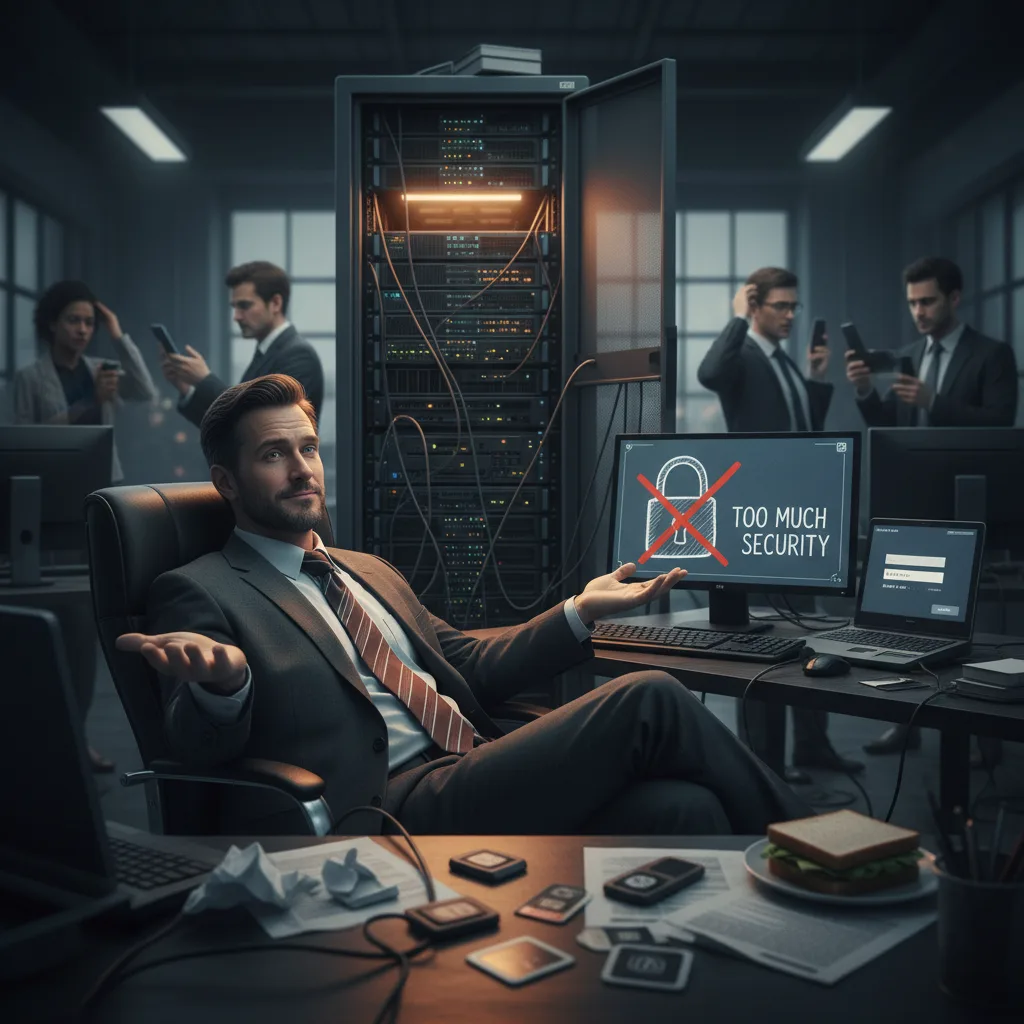
Security Director Discussing Cybersecurity Measures With Team

In a surprising move, a top security executive has announced that his company opted against using multi-factor authentication (MFA) due to concerns that it would be “too much security” for their users. The decision has sparked debate within the cybersecurity community, raising questions about the balance between user experience and reliable security protocols.

Security Boss Prioritized User Convenience Over Stronger Protections

According to internal sources, the security director at a major technology firm believed that requiring MFA would create too much friction for customers and employees, potentially leading to frustration and abandoned accounts. The executive, who spoke on condition of anonymity, argued that the company’s existing security measures were sufficient and that MFA would be an unnecessary burden.

Industry Experts Criticize the Decision

Security experts have widely condemned the company’s stance, stating that MFA is a critical safeguard against various cyber threats, including password breaches and account takeovers. “Multi-factor authentication is one of the most effective ways to protect against unauthorized access,” said Jane Doe, a cybersecurity analyst at NetworkUstad. “By choosing convenience over security, this company is putting its customers and data at risk.”

Potential Consequences of Skipping MFA

The decision to forgo MFA could have serious implications for the company and its users. Without the additional layer of security, the organization may be more vulnerable to cyberattacks, potentially leading to data breaches, financial losses, and reputational damage. the lack of MFA may make the company less attractive to security-conscious customers and partners, potentially impacting its long-term competitiveness.

Calls for Stronger Security Standards

The incident has reignited discussions about the need for stronger security standards across the industry. Many cybersecurity professionals argue that companies should prioritize protecting their users and data, even if it means using measures that may be slightly less convenient. “Businesses need to recognize that security is not an optional add-on, but a fundamental requirement in today’s digital landscape,” said John Smith, a senior security consultant at NetworkUstad.

As the debate continues, it remains to be seen whether the company will reconsider its stance on MFA or if the decision will have lasting consequences for its security posture and reputation.


Frequently Asked Questions

How can a security firm skip multi-factor authentication?

A security firm may skip multi-factor authentication if they believe it adds too much complexity or friction for their users. However, this decision can compromise the overall security of their systems and data.

What is the purpose of multi-factor authentication in cybersecurity?

Multi-factor authentication is a security measure that requires users to provide two or more forms of verification to access an account or system. It helps prevent unauthorized access by adding an extra layer of protection beyond just a username and password.

Why would a security firm cite 'too much security' as a reason to skip multi-factor authentication?

A security firm may cite 'too much security' as a reason to skip multi-factor authentication if they believe it creates too much friction or complexity for their users, potentially leading to decreased productivity or customer satisfaction. However, this decision can expose the firm to greater security risks.

What are the best practices for implementing multi-factor authentication in a security firm?

Best practices for implementing multi-factor authentication in a security firm include choosing user-friendly authentication methods, providing clear instructions for users, and regularly reviewing and updating the security measures to ensure they remain effective.

How does multi-factor authentication compare to single-factor authentication in terms of security for a security firm?

Multi-factor authentication is generally more secure than single-factor authentication, as it requires multiple forms of verification to access an account or system. This makes it much harder for unauthorized individuals to gain access, even if they have the user's password or other credentials.
Avatar Of Jhon Maclan
jhon maclan

Author

John McLane is a seasoned court reporter and legal expert with over 15 years of experience in federal and state courts. A Harvard Law School Juris Doctor and certified member of the National Court Reporters Association, he has transcribed high-profile trials, depositions, and hearings in corporate law, intellectual property, and criminal cases. Now a regular contributor to NetworkUstad.com, John specializes in explaining complex legal issues at the intersection of law, technology, cybersecurity, and businessβ€”from data privacy and GDPR compliance to smart contracts and IT regulatory challenges. His clear, practical articles help entrepreneurs, IT professionals, and businesses stay legally protected in the digital age. When he’s not in the courtroom or writing, John mentors young legal professionals and hikes the trails of the Pacific Northwest. Follow his work for straightforward guidance on navigating law in a connected world.

πŸ“¬

Enjoyed this article?

Subscribe to get more networking & cybersecurity content delivered daily β€” curated by AI, written for IT professionals.

Related Articles