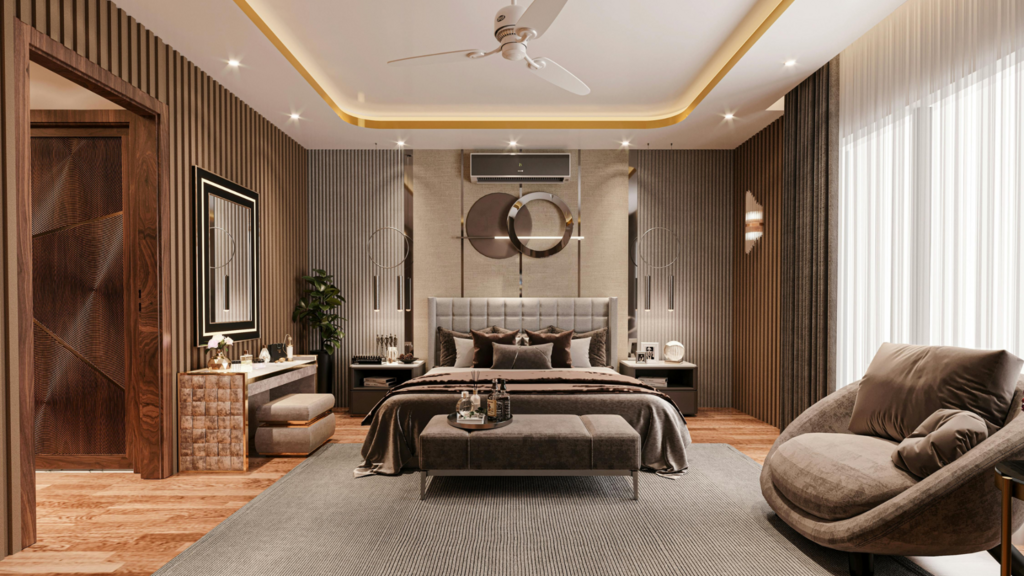
What does luxury mean to a family in 2026? Genuinely ask yourself that question. It’s probably not a spiral staircase or a chandelier the size of a small car. Real luxury, for real families, is about homes that work. Spaces that flex when life demands it. Rooms that breathe. Layouts that don’t feel outdated three years after move-in.
Here’s something that backs this up: Zillow’s 2025 report found searches trending heavily toward flexible spaces, outdoor access, and everyday comforts like yards, patios, and fireplaces, while demand for mansions and high-end labels actually declined. That’s not a small data point. That’s a directional shift in what people genuinely value.
Modern families are rewriting the definition of luxury from the ground up, quite literally. Every square foot now carries a purpose, designed around how a family actually lives, grows, and changes over time. So what features make personalized luxury homes not just stunning, but genuinely smart to live in?
Colorado Springs is worth mentioning here because it’s a particular kind of place. Mountain views. Four real seasons. A community that prizes both outdoor living and thoughtful design. Families building here benefit enormously from working with custom home builders in in colorado springs who carry regional expertise, professionals who understand the terrain, the climate, and what Colorado Springs families truly need day to day.
Essential Features That Define Modern Family Luxury Living
Families today aren’t interested in generic floor plans or finishes that look impressive in a showroom but fail in daily life. They want homes built around the reality of raising kids, working remotely, staying healthy, and hosting people they love. The modern family home features resonating most right now, all share one common thread: intentionality.
Flexible Floor Plans That Move With Your Life
Open-concept living is still popular, and for good reason. It keeps families connected without physical barriers between cooking, working, and playing. But true flexibility pushes further.
Think multi-functional rooms: a guest bedroom that moonlights as a home office, a bonus room that shifts from gym to playroom as kids age. Families building luxury homes today aren’t designing for who they are right now. They’re designing for who they’ll be in ten years.
Smart Home Technology That Actually Makes Life Easier
A well-designed floor plan sets the stage, but pairing it with intelligent technology is what transforms a beautiful house into a genuinely effortless home. Voice-controlled lighting, smart kitchen systems, and remote security monitoring aren’t futuristic perks anymore. They’re baseline expectations.
More than 53 percent of consumers say they’re more willing to adopt smart and AI home capabilities when transparency and personalized workflow options come standard. Builders who ignore that number are building for yesterday’s buyer.
Wellness and Sustainability Aren’t Optional Anymore
Smart systems handle the day-to-day logistics. But today’s most thoughtful families are also asking: Does this home support our health? Wellness spaces, home spas, saunas, meditation rooms, and dedicated fitness areas ranked as the most sought-after luxury amenities, according to Inman Real Estate.
Pair that with energy-efficient design, green building materials, and advanced air purification, and you’ve got a home that doesn’t just look beautiful, it actively contributes to the family’s wellbeing.
With a strong foundation in place, here’s where things get genuinely exciting. Because personalized luxury isn’t defined by features alone, it’s defined by the specific, curated details built around your family’s rhythms.
Customization Trends Elevating Luxury Homes Right Now
Luxury home customization has evolved far beyond selecting cabinet hardware. Families want spaces that feel like they were designed for them specifically, not adapted from someone else’s blueprint. These custom home design trends are driving the most meaningful upgrades today.
Outdoor Living Built for Every Season
Covered patios, outdoor kitchens, fireplaces, retractable walls, and backyards are becoming genuine living extensions. In Colorado Springs, especially, where the climate genuinely rewards outdoor living across multiple seasons, this feature isn’t a nice-to-have. It’s essential.
Kitchens That Deserve the Name “Culinary Space”
The kitchen has always been the heart of family life, but today’s version goes considerably further. Chef-grade appliances, walk-in pantries, and custom cabinetry are standard requests. Dedicated beverage stations, coffee bars, wine cellars, and wet bars add personality and reflect how families actually entertain and unwind.
Private Retreats for Every Single Person in the Household
Shared spaces matter enormously. But so does having a space that’s entirely your own. Spa-inspired master suites, children’s bedrooms with personalized layouts, guest retreats with boutique-hotel comfort, these details communicate a simple but powerful idea: everyone in this family deserves somewhere that feels like theirs.
These customization priorities are foundational. But the most forward-thinking luxury homes Colorado Springs families are building today push even further, incorporating features that are simultaneously practical and extraordinary.
Innovative Features Reshaping Colorado Springs Luxury Builds
Entertainment Spaces Built for Immersion
Dedicated home theaters with acoustic design, 4K projection, and immersive sound are increasingly common in high-end builds. Game rooms designed for multi-generational use, genuinely fun for a five-year-old and a grandparent alike, reflect a real evolution in how families think about recreation inside the home.
Health-Focused Design and Purposeful Safety Features
Dedicated mudrooms for clean entry, advanced air and water filtration, touchless fixtures, these aren’t pandemic holdovers collecting dust. They’ve become permanent design staples because families realize how meaningfully they improve daily life. Health-conscious architecture delivers genuine peace of mind consistently.
Pet-Friendly Spaces That Don’t Sacrifice Design
Extending that health-focused thinking to every family member, yes, including pets, built-in wash stations, custom feeding nooks, and discreet crate spaces allow families to care for their animals without any compromise to design quality or aesthetic integrity. It’s a small detail that makes an enormous practical difference.
Partnering With the Right Experts to Build It Right
Knowing which features matter is half the equation. The other half is working with builders who can translate a wish list into something that genuinely exceeds expectations.
Why Builder Expertise Changes Everything
Experienced builders don’t simply construct walls; they interpret a family’s lifestyle and convert it into thoughtful, functional space. A boutique approach, like the white-glove process Elk Ridge Custom Homes offers, means no surprises and no unnecessary stress from groundbreaking to move-in day.
Building for Today and Designing for Tomorrow
Skilled custom home builders in in colorado springs don’t just address a family’s present needs; they build with future adaptability as an explicit goal. Pre-wired smart infrastructure, flexibly designed rooms, and modular upgrade pathways ensure your luxury home stays relevant and valuable well into the future. That kind of foresight is genuinely difficult to retrofit later.
Making Smart Decisions for Your Personalized Luxury Home
Balance Aesthetics With Function and Long-Term Value
Natural stone, hardwood, neutral palettes, and timeless finishes hold property value across decades. Marrying luxury with genuine daily practicality isn’t a design compromise. It’s the most intelligent investment a family can make in a custom home.
Sustainable Luxury Is Modern Luxury
LEED-certified construction, rainwater harvesting, native landscaping, Energy Star appliances, none of this conflicts with luxury. In 2026, these choices define luxury. Families increasingly want homes that feel exceptional and carry a lighter environmental footprint. Both are achievable.
Frequently Asked Questions
Which modern family home features hold long-term value?
Flexible floor plans, chef-grade kitchens, spa bathrooms, and smart home infrastructure consistently perform well at resale. They appeal broadly and reflect lasting priorities rather than short-lived design trends.
What customization trends stand out specifically in Colorado Springs?
Buyers here frequently prioritize outdoor living spaces designed for four-season use, window placements that maximize mountain views, and energy-efficient construction suited to Colorado’s variable climate.
Are wellness features worth the investment for resale purposes?
Yes. Wellness spaces ranked as the top luxury amenity buyers sought in 2024. Home gyms and spa bathrooms are strong resale assets, particularly among health-conscious buyers in higher income brackets.
How do you future-proof a custom home against evolving technology?
Install structured wiring throughout, designate a dedicated smart hub location, and plan conduit access for future upgrades. Scalable infrastructure costs relatively little upfront but saves considerably during future renovations.
Can pet-friendly elements integrate without compromising luxury aesthetics?
Absolutely. Built-in wash stations, discreet feeding nooks, and pet-friendly flooring can all be executed using premium materials that fully maintain the home’s design integrity.
One Final Thought on Building Something Truly Yours
Great homes aren’t accidental. They emerge from clear priorities, long-term thinking, and the right partnerships. Whether your vision centers on wellness-focused design, cutting-edge smart technology, or four-season outdoor living, the right builder turns those priorities into a home your family will genuinely love for generations. Start that conversation early. Think well beyond the immediate. And never underestimate how profoundly a truly personalized home can reshape everyday life for the better.