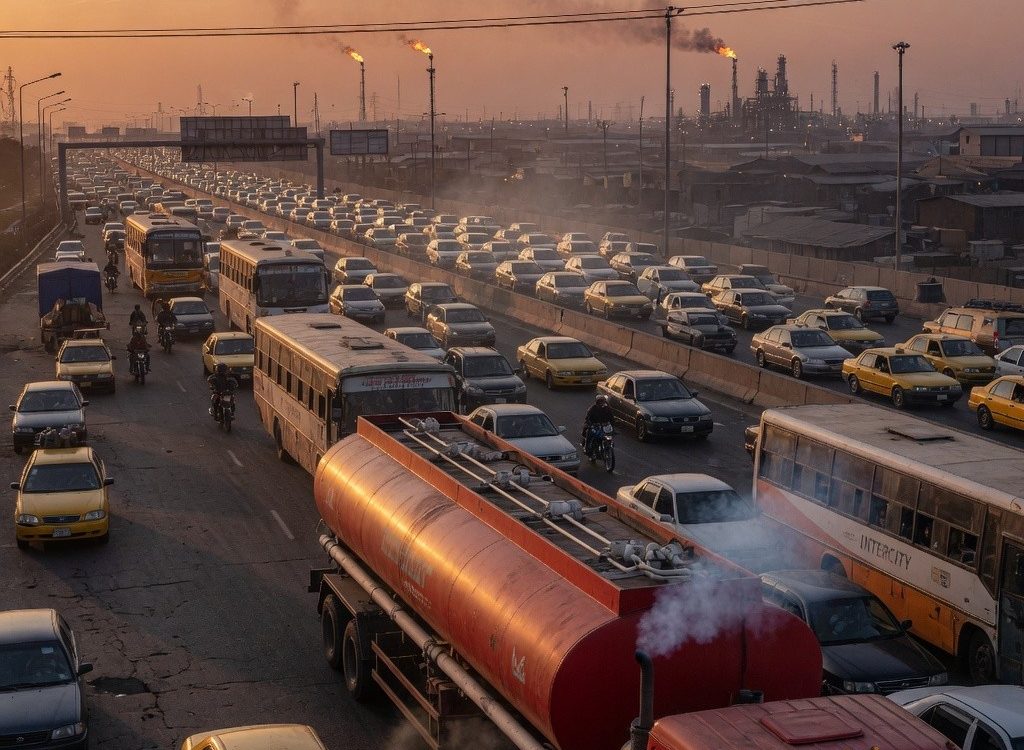
The global energy sector is at a crossroads, with petroleum products like petrol, diesel, and kerosene continuing to dominate transportation and industrial sectors despite mounting pressures from climate change and renewable energy advancements. Governments worldwide are grappling with the dual challenge of ensuring energy security while transitioning to cleaner alternatives. Yet, as of June 2026, petroleum remains the backbone of global economies, accounting for 60% of energy consumption in the transportation sector, according to the International Energy Agency (IEA).
The Persistent Dominance of Petroleum in Transportation
Despite the rise of electric vehicles (EVs), petrol and diesel still power 95% of the world’s vehicles. The IEA’s 2026 Global Energy Outlook highlights that even in developed markets like the EU and the US, EV adoption rates hover around 25%, leaving internal combustion engines as the primary mode of transportation. In emerging economies such as India and Nigeria, petroleum-based fuels dominate due to inadequate EV infrastructure and affordability concerns. For instance, a 2026 report by the Indian Ministry of Petroleum and Natural Gas revealed that diesel sales surged by 7% year-on-year, driven by the logistics and agriculture sectors.
Government Policies and Subsidies: A Double-Edged Sword
Governments play a pivotal role in shaping petroleum consumption through subsidies, taxes, and regulations. In 2026, countries like Nigeria and Indonesia continue to subsidize petrol and kerosene to alleviate energy poverty. However, these subsidies strain national budgets and discourage investment in renewable energy. Conversely, nations like Norway and Sweden have implemented aggressive carbon taxes, leading to a 15% reduction in petrol consumption since 2023. The challenge lies in balancing affordability for consumers with the need to reduce fossil fuel dependency.
The Kerosene Conundrum: Energy Poverty vs Environmental Impact
Kerosene remains a lifeline for millions in low-income households, particularly in Africa and South Asia. A 2026 United Nations Development Programme (UNDP) report estimates that 500 million people rely on kerosene for lighting and cooking. However, its use contributes significantly to indoor air pollution, causing 1.5 million premature deaths annually. Governments and NGOs are pushing for solar lanterns and biogas as alternatives, but affordability and accessibility remain barriers. For example, a pilot project in Kenya saw a 30% adoption rate for solar lanterns, but scaling this solution requires substantial investment and policy support.
The Diesel Dilemma: Industrial Reliance and Emissions
Diesel is indispensable for heavy industries, shipping, and agriculture. The International Maritime Organization’s 2026 data shows that diesel-powered vessels account for 80% of global shipping, contributing 3% of global CO2 emissions. While biofuels and hydrogen are emerging as alternatives, their scalability is limited by high production costs and infrastructure gaps. Governments are exploring hybrid solutions, such as blending biodiesel with conventional diesel, but these measures are still in their infancy.
Petroleum Prices and Geopolitical Tensions
Global petroleum prices are heavily influenced by geopolitical tensions and OPEC decisions. In 2026, the ongoing conflict in the Middle East and sanctions on major oil-producing nations like Iran and Venezuela have led to price volatility. The US Energy Information Administration (EIA) reports that crude oil prices fluctuated between $80 and $110 per barrel in the first half of 2026, impacting everything from transportation costs to inflation rates. Governments are increasingly stockpiling strategic reserves to mitigate supply disruptions, but this approach is costly and unsustainable.
The Road Ahead: Balancing Energy Security and Sustainability
The transition away from petroleum is inevitable, but the pace and path vary by region. Developed nations are investing heavily in renewable energy and EV infrastructure, while developing countries prioritize energy access and affordability. A 2026 World Bank study predicts that global petroleum demand will peak by 2030, driven by policy interventions and technological advancements. However, achieving this requires coordinated efforts from governments, industries, and consumers.
Counterintuitive Insights: The Hidden Costs of Rapid Transition
While the push for renewable energy is laudable, a rapid transition away from petroleum could have unintended consequences. For example, the production of EV batteries relies on rare earth metals, whose extraction poses environmental and ethical challenges. A 2026 MIT study found that mining lithium for EV batteries could deplete water resources in arid regions like Chile and Bolivia. Governments must therefore adopt a balanced approach, ensuring that the transition to cleaner energy does not exacerbate other environmental or social issues.
Actionable Takeaways for Governments and Policymakers
1. Phase out fossil fuel subsidies gradually while providing targeted support for low-income households. 2. Invest in renewable energy infrastructure, particularly in rural and underserved areas. 3. Promote hybrid solutions like biodiesel and ethanol blends as interim measures. 4. Implement carbon pricing mechanisms to incentivize cleaner energy practices. 5. Collaborate with international organizations to share best practices and resources. The global reliance on petroleum products is deeply entrenched, but the path to a sustainable future is clearer than ever. By adopting pragmatic policies and leveraging technological innovations, governments can navigate the complex interplay of energy security, economic growth, and environmental sustainability.