Why Moisture Protection Starts With Proper Roofing Installation
A roofing system does far more than improve the appearance of a home. Its primary purpose is to create a protective barrier that shields the structure from moisture, weather exposure, and long-term environmental damage. When installation is handled incorrectly, even high-quality roofing materials may fail to provide dependable protection.
Many homeowners focus heavily on the type of shingles or roofing products being used while overlooking the importance of workmanship. However, small installation mistakes can create vulnerabilities that allow moisture to enter the structure gradually over time. These issues often remain hidden until larger damage becomes visible indoors.
Roof Installation plays a critical role in preventing future water intrusion and structural deterioration. With support from Ridge Runner Roofing, homeowners can ensure their roofing systems are installed correctly to support long-term durability and moisture protection.
How Water Intrusion Develops Inside Roofing Systems
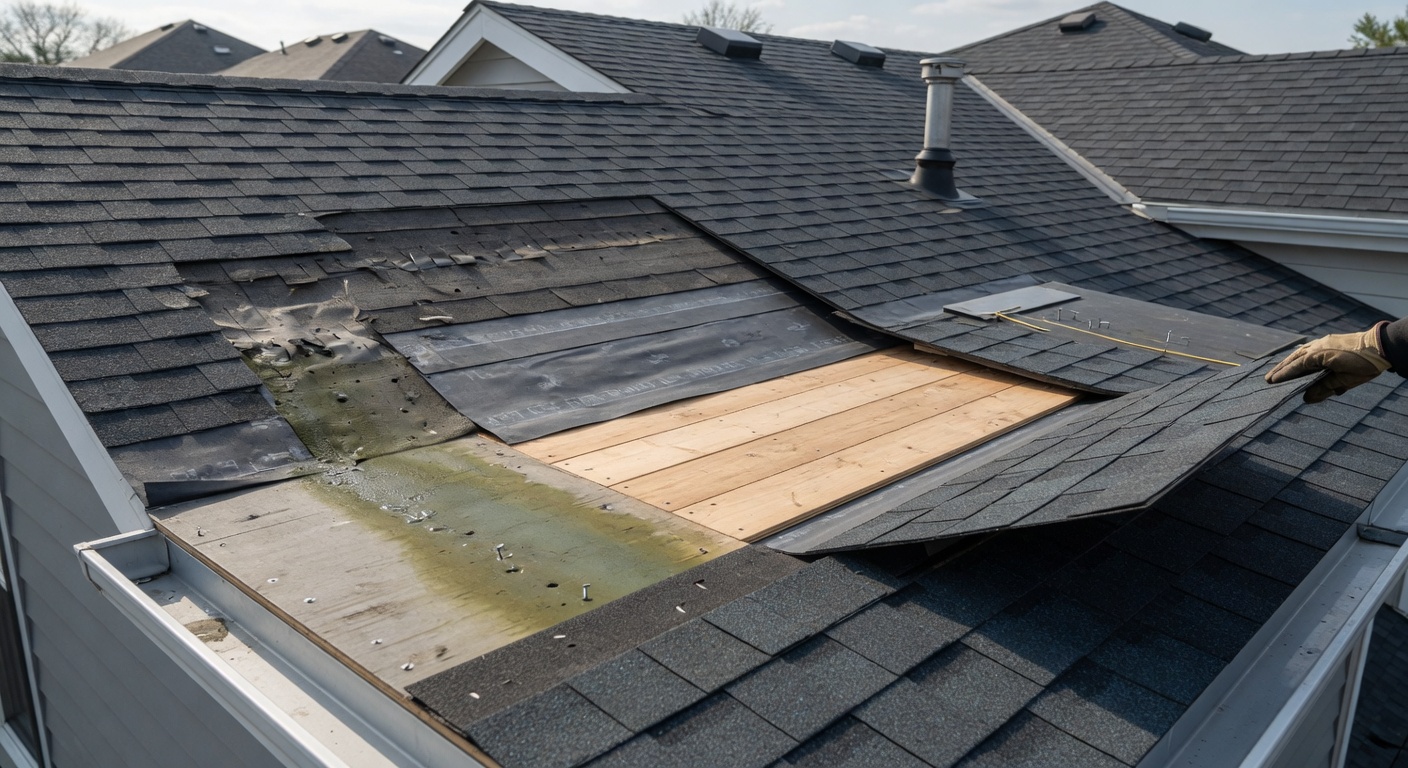
Moisture problems rarely begin with dramatic leaks or immediate flooding. In many cases, water enters through small gaps or improperly sealed areas that develop during the installation process. Once moisture penetrates beneath the roofing surface, it may spread slowly through decking, insulation, and structural materials.
Because roofing systems contain multiple layers, water can travel considerable distances before visible warning signs appear. Homeowners may notice ceiling stains or attic moisture long after the original problem first developed on the roof itself.
Proper installation reduces the likelihood of these hidden pathways forming. Careful attention to sealing, flashing, and material placement helps maintain a stronger protective barrier against long-term moisture exposure.
Why Underlayment Placement Is So Important
Underlayment serves as one of the most important moisture barriers within the roofing system. Installed beneath the outer roofing materials, it provides additional protection if rainwater passes through shingles during storms or severe weather conditions.
Improper placement of underlayment during Roof Installation can leave sections of the roof vulnerable to water penetration. Misaligned layers or poorly secured materials may create weak points where moisture enters more easily over time.
Ridge Runner Roofing focuses on precise installation methods that help ensure underlayment performs effectively beneath the roofing surface. Proper layering and secure placement contribute directly to stronger long-term moisture protection.
How Flashing Prevents Water From Entering Vulnerable Areas
Certain sections of a roof naturally face greater exposure to water intrusion than others. Chimneys, skylights, vents, and roof valleys all require flashing systems designed to direct water safely away from these openings and transitions.
When flashing is installed incorrectly, small gaps may allow water to seep beneath surrounding materials and into structural layers. These weak points are among the most common sources of hidden leaks inside residential roofing systems.
Roof Installation must include careful flashing placement and sealing around every vulnerable area. Professional workmanship helps ensure that water flows away properly instead of entering the home through exposed openings.
Why Roof Slope and Drainage Matter for Moisture Control
A roofing system must guide water efficiently toward gutters and drainage pathways during rainstorms. Proper slope design and material alignment help prevent standing water from remaining on the roof surface for extended periods.
Poor installation may create uneven sections where water collects instead of draining properly. Over time, standing moisture increases the likelihood of leaks, material deterioration, and structural weakening beneath the roof.
Ridge Runner Roofing evaluates drainage performance carefully during installation projects to help homeowners avoid long-term moisture concerns caused by improper water flow across the roof surface.
How Ventilation Supports Moisture Prevention
Ventilation systems help regulate airflow beneath the roof while reducing humidity buildup inside attic spaces. Without proper ventilation, trapped moisture may accumulate beneath the roofing structure and gradually affect insulation, decking, and wooden framing materials.
Improper Roof Installation sometimes overlooks the importance of balanced airflow throughout the attic system. Restricted ventilation may increase condensation during colder months while trapping excess heat and humidity year-round.
Proper ventilation design helps maintain healthier roofing conditions by allowing moisture to escape before structural problems develop. Balanced airflow supports both durability and long-term indoor comfort.
Why Small Installation Errors Become Larger Structural Problems
Even minor installation mistakes can create serious long-term consequences when moisture enters the roofing system repeatedly over time. Loose shingles, uneven sealing, or improperly aligned materials often allow gradual water intrusion that weakens surrounding structures.
As moisture spreads beneath the roof, it may damage decking, insulation, ceilings, and wall structures throughout the home. Mold growth and wood deterioration may also develop if these conditions remain unresolved for extended periods.
Ridge Runner Roofing helps homeowners avoid these risks by focusing on precision during every stage of installation. Preventing small vulnerabilities early reduces the likelihood of expensive structural repairs later.
The Connection Between Moisture Protection and Energy Efficiency
Moisture problems often affect more than structural stability alone. Wet insulation loses much of its ability to regulate indoor temperatures effectively, forcing heating and cooling systems to work harder throughout the year.
Leaks and trapped humidity may also increase indoor discomfort by creating inconsistent temperatures and poor attic airflow. These conditions can gradually raise utility costs while reducing overall household efficiency.
Roof Installation completed with proper moisture protection helps preserve insulation performance and maintain stronger indoor energy efficiency over the long term.
Long-Term Benefits of Professional Roofing Installation
A properly installed roof provides lasting protection that extends beyond appearance or immediate weather resistance. Strong installation methods help prevent moisture intrusion, preserve structural materials, and reduce the likelihood of expensive repairs throughout the life of the roof.
Careful attention to underlayment, flashing, ventilation, and drainage creates a roofing system that performs more reliably during changing weather conditions. Preventative workmanship supports both durability and long-term homeowner confidence.
With help from Ridge Runner Roofing, homeowners can invest in roofing systems designed to provide dependable moisture protection and stronger structural reliability. Professional Roof Installation helps create homes that remain safer, more efficient, and better protected for many years ahead.