ip addressing and subnetting
Classful vs. Classless IP Addressing: A Complete CCNA Guide
IP addressing is the foundation of every network. Every device — a laptop, a server, an IoT sensor — needs an IP address to send and receive data. But the way those addresses are organized has changed fundamentally since the early internet. The original system, classful addressing, divided the address space into rigid classes and...
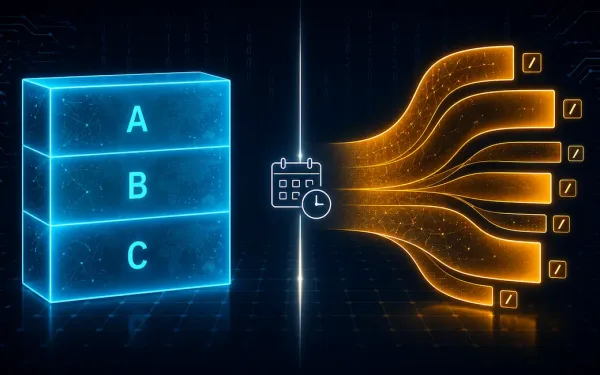
Classful vs. Classless Addressing: What’s the Difference?
Classful and classless addressing describe two different ways to structure an IPv4 address. Classful addressing came first, in the early internet of the 1980s. It used fixed Class A, B, and C ranges. That rigid structure eventually led to serious IPv4 address exhaustion. CIDR arrived in 1993 and introduced classless addressing instead, allowing flexible prefixes...
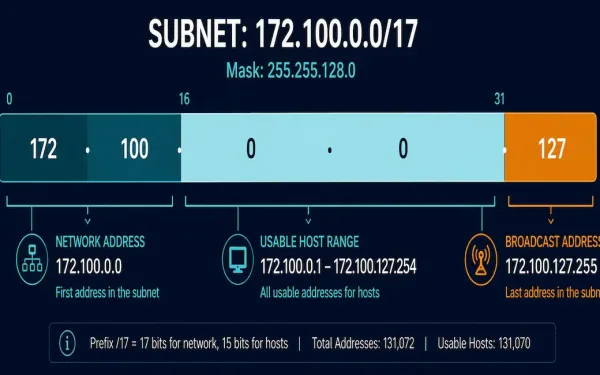
Network Prefix, Network Address, Broadcast Address, and Host Address Explained
Every IPv4 subnet has a handful of specific addresses with fixed roles: one identifies the network itself, one is reserved for broadcasting to every device on it, and the rest are available for hosts. This guide covers exactly how to calculate each one, using prefix notation and binary math, with one consistent worked example carried...