Why Enterprise Reliance on AI Pen-Testing Is Declining
Enterprises are scaling back their use of fully autonomous penetration testing tools, opting instead for a hybrid approach that combines AI and human expertise.
Cybercriminals are embracing AI to automate and scale their attacks. Learn how IT teams can protect against the latest AI-driven threats, from smart TV botnets to dark web hacking forums.
Apple is exploring AirPods with built-in cameras, a move that will force IT teams to rethink wireless capacity, QoS, and zero-trust security for wearable devices.
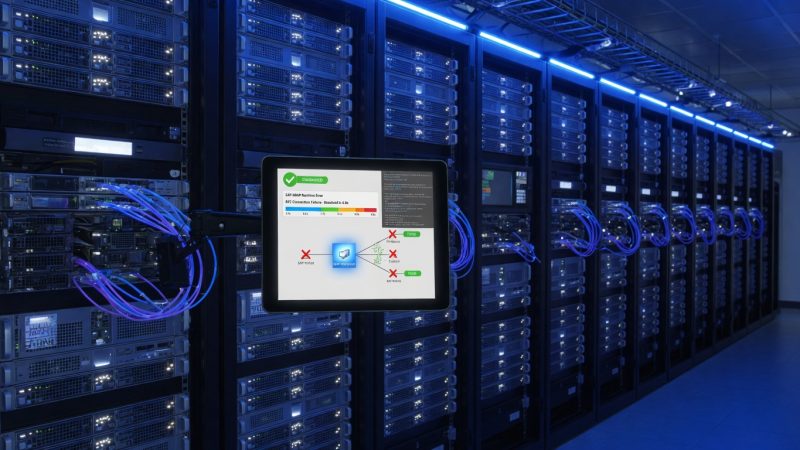
Avantra launched Avantra 26, an advancement in AI-driven operations, strengthening native integration with SAP Cloud ALM, and delivering automated visibility across SAP Business Technology Platform (BTP). Avantra also announced Avantra AIR Root Cause Analyzer, an AI-powered intelligence engine that automatically investigates SAP incidents and surfaces a structured diagnosis the moment an issue is detected. Available as a separate license, Avantra…
Details have emerged about a new, unpatched local privilege escalation (LPE) vulnerability impacting the Linux kernel. Dubbed Dirty Frag, it has been described as a successor to Copy Fail (CVE-2026-31431, CVSS score: 7.8), a recently disclosed LPE flaw impacting the Linux kernel that has since come under active exploitation in the wild. The vulnerability was reported to Linux kernel maintainers
Cybersecurity researchers have disclosed details of a new Linux backdoor named PamDOORa that's being advertised on the Rehub Russian cybercrime forum for $1,600 by a threat actor called "darkworm." The backdoor is designed as a Pluggable Authentication Module (PAM)-based post-exploitation toolkit that enables persistent SSH access by means of a magic password and specific TCP port combination.
A previously undocumented Linux implant codenamed Quasar Linux RAT (QLNX) is targeting developers' systems to establish a silent foothold as well as facilitate a broad range of post-compromise functionality, such as credential harvesting, keylogging, file manipulation, clipboard monitoring, and network tunneling. "QLNX targets developers and DevOps credentials across the software supply chain,"
All your snaps come with metadata containing more information than you might realize.
Recent Iranian drone attacks on AWS sites in the Middle East have spotlighted aerial threats to physical data center security, urging IT leaders to bolster defenses amid rising geopolitical risks.
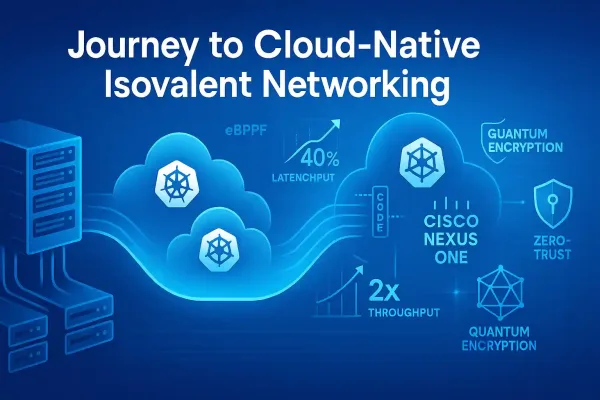
Cisco's acquisition of Isovalent extends unified networking from the data center to cloud-native environments. See how Cisco Nexus One with Isovalent delivers the deterministic performance for modern workloads and AI applications.