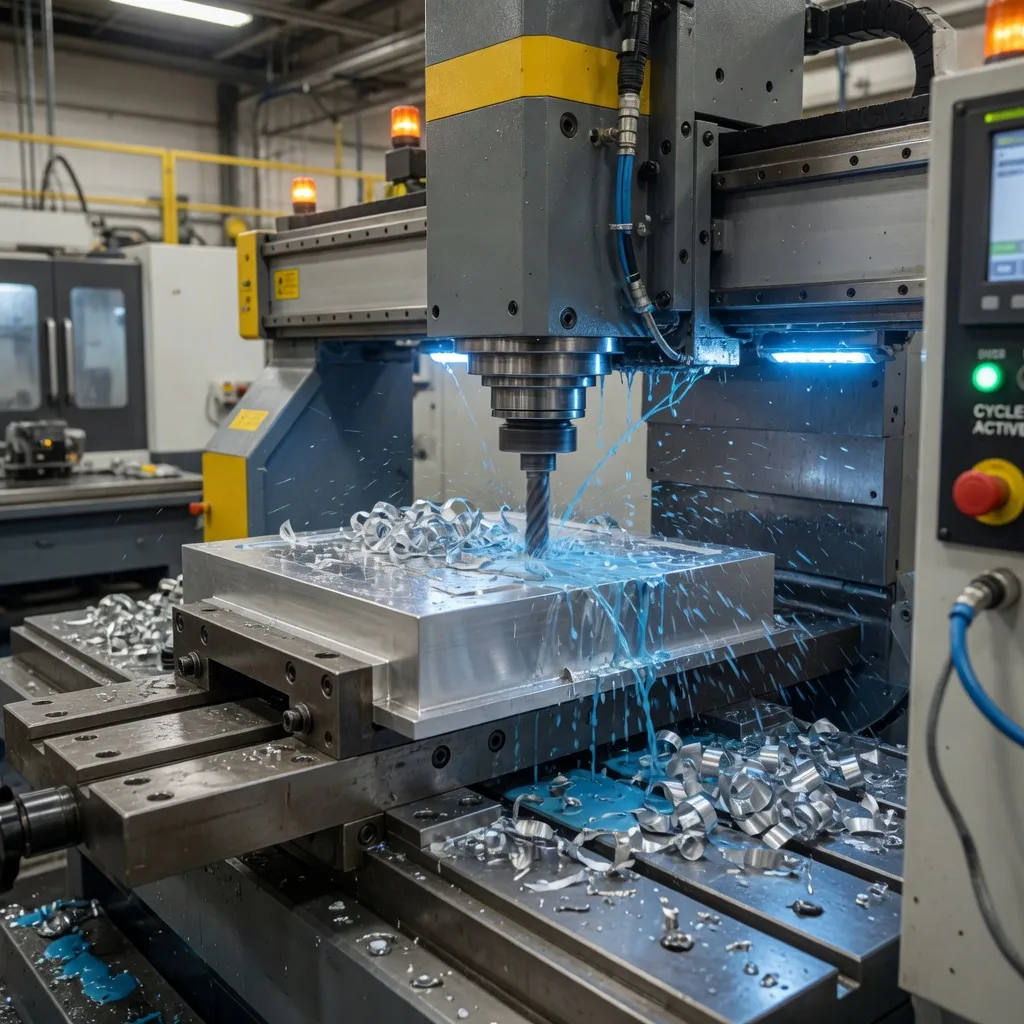
Computer Numerical Control (CNC) technology has transformed the manufacturing industry by improving precision, speed, and efficiency. CNC machines use computer-generated instructions to control cutting, drilling, milling, and other machining operations. This technology helps manufacturers produce high-quality parts with consistent results and minimal waste.
Today, CNC machining is used across many industries, including aerospace, automotive, electronics, medical equipment, and industrial manufacturing. Companies seeking reliable and accurate production solutions often partner with a CNC Machining Factory – AIXI Hardware to manufacture custom components that meet strict quality standards. With advanced machinery and skilled engineering support, CNC machining factories play a important role in modern manufacturing.
Understanding how CNC technology works can help businesses make informed decisions when selecting manufacturing methods and production partners.
Understanding CNC Technology
Before CNC technology existed, machine tools were operated by hand. Skilled workers controlled every movement of the machine. This process required significant experience and often led to variations between products.
CNC technology changed this approach. Instead of manual control, a computer follows programmed instructions. These instructions tell the machine exactly how to move and what operations to perform. As a result, manufacturers can produce identical parts repeatedly with very little error.
The term “numerical control” refers to the use of numbers and coded instructions. The computer reads these instructions and converts them into precise machine movements.
How CNC Machines Work
The CNC process begins with a digital design. Engineers create a design using Computer-Aided Design (CAD) software. This design contains all the dimensions and details required for the final product.
The design is then converted into machine instructions using Computer-Aided Manufacturing (CAM) software. These instructions are commonly written in G-code, which is the language understood by CNC machines.
The basic steps are:
- Create a digital design.
- Convert the design into machine code.
- Load the program into the CNC machine.
- Secure the material on the machine.
- Run the program.
- Inspect the finished product.
The machine follows the programmed instructions automatically. This reduces human error and improves production speed.
Main Components of a CNC Machine
A CNC machine consists of several important parts.
Controller
The controller is the brain of the machine. It reads the program and directs the machine’s movements.
Machine Tool
This is the cutting or shaping component. Different machines use different tools depending on the operation.
Drive System
The drive system moves the machine along specific axes. These movements allow the machine to shape the material accurately.
Feedback System
Many CNC machines include sensors that monitor performance. These sensors help maintain accuracy throughout the machining process.
Worktable
The worktable holds the material securely during machining. Stable positioning is important for precise results.
Types of CNC Machines
There are several types of CNC machines, each designed for specific tasks.
CNC Milling Machines
CNC milling machines use rotating cutting tools to remove material. They can create complex shapes and detailed parts.
CNC Lathes
CNC lathes rotate the workpiece while cutting tools remove material. They are commonly used for cylindrical parts.
CNC Routers
These machines are often used for wood, plastic, and soft metals. CNC routers are popular in furniture and sign-making industries.
CNC Plasma Cutters
Plasma cutters use a high-temperature plasma torch to cut metal sheets quickly and accurately.
CNC Laser Cutters
Laser cutters use focused light beams to cut or engrave materials. They provide excellent precision and clean edges.
CNC Grinding Machines
Grinding machines create smooth surfaces and precise finishes. They are often used for high-precision components.
Advantages of CNC Technology
CNC machining offers many benefits that make it a preferred manufacturing method.
High Accuracy
CNC machines can achieve extremely tight tolerances. This accuracy is essential for industries such as aerospace and medical manufacturing.
Consistency
Every product is produced according to the same program. This ensures consistent quality across large production runs.
Faster Production
Automated processes reduce production time. Manufacturers can produce more parts in less time.
Reduced Waste
Precise machining minimizes material waste. This helps lower production costs.
Improved Safety
Operators do not need to remain close to moving machine parts during operation. This reduces workplace risks.
Ability to Create Complex Designs
CNC machines can produce shapes and details that would be difficult or impossible with manual machining.
Common Materials Used in CNC Machining
CNC machines can work with a wide range of materials.
Metals
- Aluminum
- Steel
- Stainless steel
- Brass
- Copper
- Titanium
Plastics
- ABS
- Nylon
- Polycarbonate
- Acrylic
Wood
- Hardwood
- Softwood
- Plywood
- MDF
Composites
Many advanced industries use composite materials that can also be machined using CNC equipment.
The choice of material depends on the product requirements and intended application.
Applications of CNC Machines
CNC technology is used in many industries.
Automotive Industry
Manufacturers use CNC machines to produce engine components, transmission parts, and custom vehicle parts.
Aerospace Industry
Aircraft components require strong precision. CNC machining helps meet strict industry standards.
Medical Industry
Medical devices and surgical instruments often require detailed machining and tight tolerances.
Electronics Industry
Many electronic components and housings are produced using CNC equipment.
Construction Industry
CNC machines help create custom fixtures, panels, and structural components.
Furniture Manufacturing
Woodworking CNC routers produce furniture, cabinets, and decorative items efficiently.
CNC Programming Basics
Programming is a key part of CNC machining. Most machines use G-code to control movements and operations.
G-code commands tell the machine:
- Where to move
- How fast to move
- Which tool to use
- When to start or stop cutting
Modern software has made programming easier than ever. Many programs automatically generate machine code from CAD designs.
The Future of CNC Technology
CNC technology continues to evolve. New developments are making machines smarter and more efficient.
Artificial intelligence, automation, and machine learning are helping manufacturers improve productivity. Advanced sensors can detect problems before they affect production. Cloud connectivity allows manufacturers to monitor machines remotely.
Many modern factories are adopting smart manufacturing systems where CNC machines communicate with other equipment. This approach improves efficiency and supports Industry 4.0 initiatives.
As technology advances, CNC machines will become even more capable. Faster processing, improved automation, and greater precision will continue to drive innovation across manufacturing industries.
Conclusion
Computer Numerical Control (CNC) is one of the most important technologies in modern manufacturing. It uses computer-guided instructions to control machine tools with strong accuracy and consistency. CNC machines help businesses increase productivity, reduce waste, and produce high-quality products.
From the automotive and aerospace industries to medical devices and furniture production, CNC technology plays a critical role in manufacturing. As automation and digital technologies continue to grow, CNC machining will remain a key part of industrial production for years to come.