
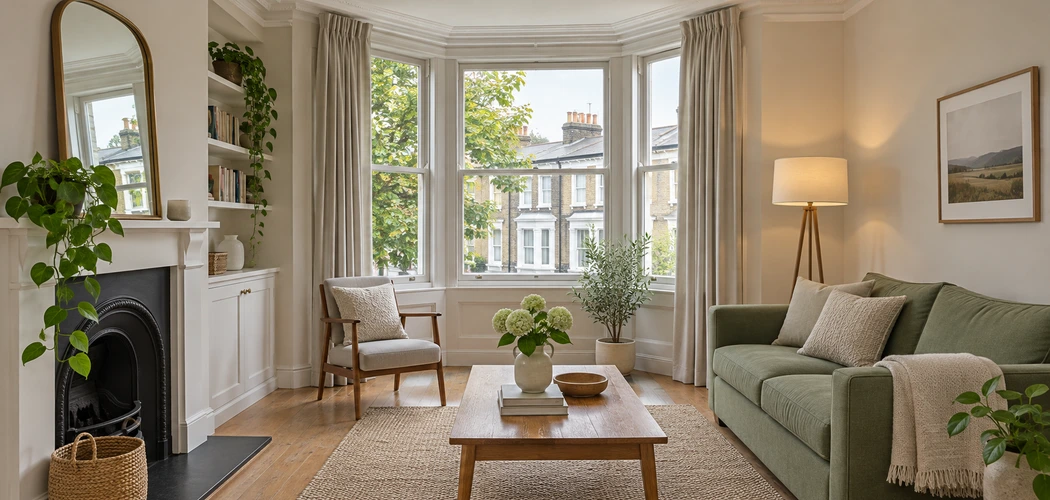
Two flats in the same building are up for rent. One has a bed, a sofa, and a dining table. The other has an empty living room. The furnished flat is advertised for more, but that alone tells you little about what either landlord will earn. You’d also need to know what each flat eventually lets for, how long it stands empty, and what it costs to keep the furniture in usable condition.
When comparing furnished vs unfurnished rentals, start with local demand and the cost of providing the furniture. Then write down exactly what would come with the property. That gives you a way to test the numbers and describe the offer clearly to prospective tenants.
What Furnished vs Unfurnished Rentals Include
Labels are useful for searching listings, but tenants will want to know what is actually in each room. One landlord may describe a flat as part-furnished because it has a wardrobe and a dining table. Another might use the same label for a property with white goods and a bed. Spell out what stays so people can work out what they need to bring.
| Listing description | What tenants might find | What to confirm in the listing |
|---|---|---|
| Furnished | A bed, seating, storage, and other items needed to use the main rooms | Which beds, mattresses, tables, chairs, appliances, and smaller items are included |
| Part-furnished | Selected items, such as wardrobes or a table, with room for the tenant’s own belongings | Which items stay in each room and whether any can be removed by agreement |
| Unfurnished | Space for the tenant’s furniture, with any fixtures or appliances specified separately | Whether appliances, window coverings, or built-in storage are included |
Make the photographs and the description agree. If you used a staged photo and the furnishings shown won’t be there at move-in, say so. If the bedroom has a bed frame but no mattress, list them separately. One line in the description can save a lengthy discussion at the viewing.
Compare Properties That a Tenant Would Actually Consider
Start with the same street, development, or neighbourhood. Look for similar bedroom counts, floor area, condition, transport access, and amenities. A newly renovated furnished flat and a dated unfurnished flat may command different rents for several reasons. Make a note when a feature such as parking, a balcony, or a second bathroom affects the comparison.
Separate asking rents from agreed rents. A listing shows what a landlord hopes to receive. It also gives you a chance to see what choices tenants have. If a local agent can share recent agreed rents or give a reasoned estimate, ask them to specify which properties the estimate is based on. Ask how long those properties took to let and whether they went through price reductions.
Pay attention to the questions people ask at viewings. A tenant moving across the country may ask whether they can use the flat immediately. Someone moving from another property nearby may already own furniture and ask whether your sofa can be removed. The important detail is how many suitable tenants want each arrangement at the rent you’re considering.
If your evidence is limited, use a range. Run the comparison with no rent premium, a small premium, and the premium you think is achievable. If the decision only works at the highest estimate, get more local evidence before buying furniture.
Work Out Whether the Extra Rent Covers the Cost
Add up furniture, delivery, assembly, and any removals. Then estimate the cost of repairs or replacements over a period that makes sense for the items you plan to buy. Consider how much time you’ll spend arranging deliveries or replacing a damaged item. Even if you do the work yourself, it’s useful to know when you could fit it in.
Here’s an illustrative comparison. The figures show how to work through the decision and don’t represent a market forecast.
| Item | Unfurnished option | Furnished option |
|---|---|---|
| Monthly rent | £1,000 | £1,100 |
| Occupied months assumed | 12 | 12 |
| Annual rent collected | £12,000 | £13,200 |
| Annualised furniture setup cost | £0 | £600 |
| Annual furniture maintenance reserve | £0 | £300 |
| Annual amount after these furniture allowances | £12,000 | £12,300 |
In the example, the furniture costs £2,400 to buy and install. Spreading that cost over four years gives a planning allowance of £600 a year. Add the £300 reserve and the furnished option needs £900 in extra annual rent to cover those allowances. If both homes are occupied for twelve months, that’s a £75 monthly premium.
Now change one assumption. If the furnished flat is occupied for eleven months, it collects £12,100. After the furniture allowances, it comes to £11,200. In that scenario, the unfurnished option at twelve occupied months comes out ahead. The comparison can also go the other way if furnishings help the property let sooner. Use a plausible vacancy estimate for each option.
The example leaves out costs common to both options, such as management fees or ordinary property maintenance. Include any cost that differs between the two, and remember that spreading the setup cost across four years is a budgeting tool. You still have to pay the upfront bill when it falls due.
If one option needs storage between tenancies, include that cost too. Ask for a quote based on the actual items you would store and how often you expect to move them.
Build a Room-by-Room Inventory

Walk through the property with the listing in hand. Write down each supplied item, the room it belongs in, and its condition. If there are two similar chairs, say which has an existing mark or loose leg. Take dated photos that show both the full item and any relevant wear. Save appliance manuals and details that would help identify a replacement later.
| Room or area | What to record |
|---|---|
| Living room | Sofa, tables, chairs, lamps, and any existing marks or damage |
| Bedroom | Bed frame, mattress, wardrobes, drawers, and condition |
| Kitchen | Appliances, accessories supplied with each appliance, and operating instructions |
| Hall or storage area | Any furniture or equipment being left, along with working keys where relevant |
Share the inventory at check-in and give the tenant a way to flag discrepancies. If you agree to remove a chair or replace a mattress, update the document and keep a dated record of the change. A useful inventory reflects the furniture that is present and the condition the tenant saw.
Check Fire Safety and Separate Tax From Budgeting
Check which rules apply in the UK nation where the property is located. The government’s private renting safety guidance explains landlord responsibilities, including fire safety for supplied furniture and furnishings. Check applicable requirements before buying or reusing upholstered furniture. Keep any relevant labels and purchase records so you can review what you supplied later.
For tax purposes, HMRC’s Replacement of Domestic Items Relief guidance describes when a landlord may deduct the cost of replacing eligible domestic items. The relief excludes the initial purchase of an item. Eligibility depends on the circumstances of the letting and the replacement, so keep receipts and check how the rules apply before relying on a deduction.
Budget for repairs and replacement regardless of how those costs are treated for tax. If a tenant reports that a supplied item is unusable, you’ll need to assess what to do and how quickly you can do it. Keeping a reserve can make that decision easier when several costs arrive at once.
Choose the Arrangement That Fits the Property
If you already have suitable furniture, check its condition and whether it matches the space. A bulky sofa may photograph well from one angle and still make the living room difficult to use. If you’re buying from scratch, start with the pieces someone will need to use the rooms, then decide whether the smaller items earn their place.
Consider a part-furnished option if applicants commonly ask for storage and appliances but prefer their own seating or beds. Work out where you would put an item you agree to remove and what moving it would cost. Confirm any agreement before the tenancy starts and make sure the inventory reflects it.
A useful decision comes down to three things you can check. Compare local rents, test the numbers with a less favourable occupancy assumption, and list exactly what stays. If the figures are close, choose the arrangement you can manage reliably and describe clearly to a tenant before they apply.
The figures are illustrative. Check the safety and tenancy rules for the property’s location and seek qualified tax advice for your circumstances.



