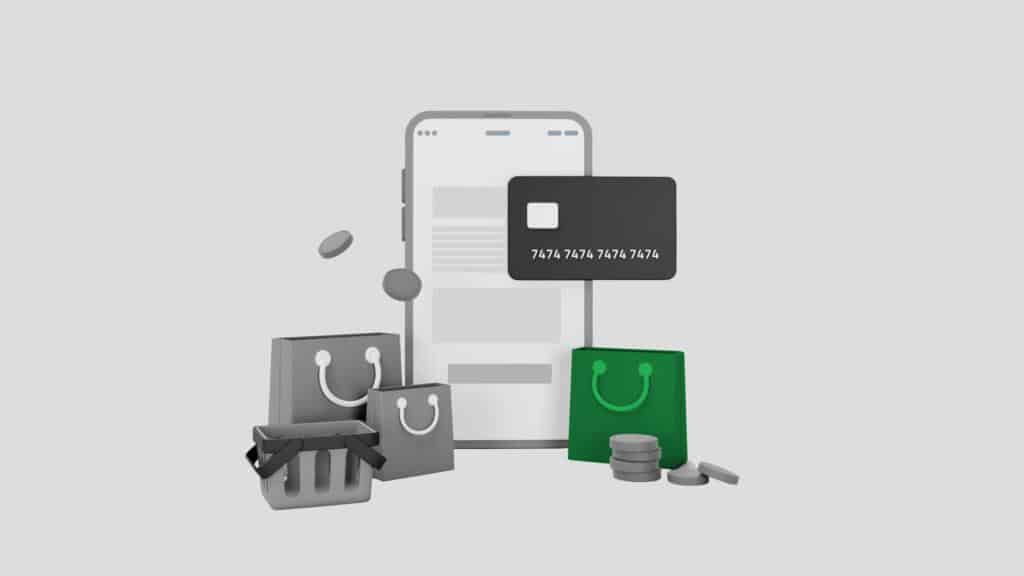
EMV chips, which are now typical on several new credit and debit cards, substitute the magnetic strip on the card’s back by providing a more secure data storage mechanism.
Now that the EMV payment technology standard is widely used, several businesses constantly persuade customers to make payments with an EMV chip rather than by swiping their cards. Customers may now use their cards more conveniently and confidently overseas, thanks to EMV technology.
EMV Definition: What Does It Mean?
EMV credit cards, which are “Europay, MasterCard, and Visa,” have embedded “smart chips” that provide significantly better fraud prevention than their conventional magnetic stripe equivalents.
EMV chip technology has the principal advantage of reducing fraud from counterfeit goods. Since the introduction of EMV chip technology, imitation theft, where a cardholder’s data is gathered, saved, and reprinted on a new card, has dramatically decreased from its once-commonplace prevalence.
Visa reports that counterfeit fraud decreased by 76% among retailers using EMV card readers between 2015 and 2018.
What Increases the Security of EMV?
EMV chip technology delivers highly secure online payments when clients use the card to purchase online, in addition to combating counterfeit theft. This happens due to the chip’s creation of a special transaction code that is transmitted to the card issuer for permission. Thanks to that specific number, it is more difficult for hackers to obtain a user’s data.
Additionally, EMV chip technology provides clients with better security in case their cards are stolen or misplaced. This is because the client’s private information is encrypted, saved on the chip, and inaccessible.
What is the EMV Chip’s Mechanism?
Safeguarding cardholders’ credit card data is one of the key advantages of EMV chip technology. Anytime an in-store payment is made using EMV chip technology:
The client “dips” their card into the point-of-sale (POS) extension’s chip scanner.
The EMV chip generates an exclusive payment code that cannot be used again.
These payment codes guard against the theft of EMV credit cards. Bogus cards can’t provide the correct codes, even if they end up in the wrong hands. The retailer never receives or communicates your actual card number when you pay with an EMV card. Because of this, it is far more challenging for fraudsters to use a fake card.
This method is recognized as tokenization. Tokenization is a technique for imitating a card number that is frequently used to protect sensitive payment information. Tokenization is also used by so-called mobile payment systems like Apple Pay, Google Pay, and Samsung Pay for more secure transactions.
What Technology Is Required for EMV Chip Card Acceptance for In-Store Payments?
EMV technology is much simpler to use than many people assume. You require a credit card reader that can accurately read EMV chip tech if you are a physical store retailer. This does not, nevertheless, entail purchasing numerous terminals:
Almost all EMV readers have a magnetic stripe reader for transactions made with older plastic. The majority of EMV terminals now have NFC for cashless transactions. Due to this, businesses can safely accept cordless payments made with EMV cards or mobile wallets with credit card data saved in them.
Even greater, you can begin accepting EMV payments immediately without spending money on a particular POS terminal. For instance, specific physical extensions enable businesses to convert their current mobile phones and tablets into handheld credit card readers that can safely handle payments made using contactless or EMV chip technologies.
Do Online Payments Get Affected by EMV Technology?
If you run an online store, you can keep utilizing your current payment processor without significantly adjusting your checkout process. This is because while shopping online, there is no differentiation between conventional plastic and EMV credit cards. Clients in both situations start card-not-present (CNP) payments that don’t need integrated security chips or magnetic stripes.
Is EMV Implementation Required for My Business?
The quick response is no. Although EMV adherence is a mainstream technology, it is not strictly mandated by law. But, a few crucial factors ultimately determine the necessity for EMV credit card processing:
· Increased safety and improved fraud prevention
· Decreased likelihood of fraudulent losses, fines, and legal action
· Customers’ confidence that their data will remain secure
In other words, you will be responsible for transactions using systems like magnetic stripe if you are not EMV certified. Wide-ranging effects result from this liability transfer, rendering chargeback defense difficult. Additionally, chargebacks can seriously harm your business and damage your standing among clients.
So to sum up, even if switching to EMV chip technology isn’t cheap, the aforementioned advantages more than offset the cost.
Should Consumers Adopt EMV Chip Technology as Well?
Definitely, to put it simply. Customers are also protected by EMV chip technology in the same way that it protects businesses and financial firms. When paying at the register, a customer never has to let go of an EMV-enabled card or gadget. By itself, this lessens the possibility of internal employee fraud. Users benefit from security thanks to the distinctive payment code that EMV cards generate. They know that adopting EMV chip technology while making in-store transactions will better protect them from misuse and fraud.
Conclusion
Although the upgraded microprocessor chip may initially appear like an annoyance, it is essential for retailers to prevent needless theft, enhance customer service, and foster trust.
To reduce customer fraud and bank issuers’ responsibility for fraudulent transaction refunds, new EMV-compatible technology is here to stay. It is vital to make your company compliant to stay caught up.
Need help with EMV software solutions? Contact the professionals at Edvantis! Edvantis is a software development company that provides various services to merchants and retailers to facilitate their business activities!