Testosterone Replacement Therapy (TRT) is a medical treatment for men diagnosed with clinically low testosterone, a condition known as hypogonadism. Low testosterone can affect far more than just physical performance — it can touch energy levels, mood, sexual health, and overall quality of life. This guide covers what TRT actually involves, who it’s genuinely appropriate for, and the real benefits and risks worth understanding before pursuing it.
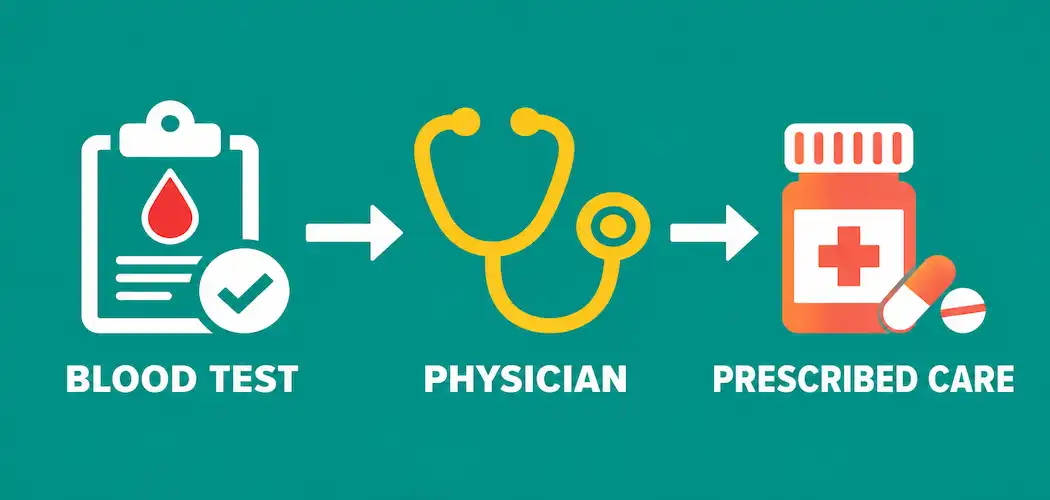
A note before anything else: TRT is a prescription medical treatment, not a supplement or an over-the-counter product. It requires blood testing, a proper diagnosis, and ongoing monitoring by a licensed physician — ideally one specializing in endocrinology or men’s health. Testosterone obtained outside a legitimate prescription and monitoring relationship, from any source, carries serious legal risk and removes the safety oversight that makes TRT appropriate in the first place.
What Causes Low Testosterone?
Low testosterone can result from several underlying causes: damage to the hypothalamus, pituitary gland, or testicles; certain medical conditions such as Klinefelter’s syndrome or hypothyroidism; excessive alcohol consumption; and natural age-related hormonal decline. Symptoms commonly associated with low testosterone include reduced libido, fatigue, muscle loss, and mood changes — though these symptoms can also stem from other causes, which is exactly why proper diagnosis through blood testing matters rather than self-diagnosing based on symptoms alone.
Forms of Testosterone Therapy
When TRT is medically appropriate, it’s typically administered in one of several forms, each with different practical trade-offs:
Gels are applied daily to the skin, usually on the shoulders or abdomen, allowing steady absorption into the bloodstream. They require daily consistency and care to avoid transferring the medication to others through skin contact.
Injections are administered by a healthcare professional (or self-administered with proper training) and provide effective results, typically repeated every 2 to 4 weeks depending on the specific formulation.
Patches are worn on the skin — typically the back, abdomen, or thighs — and replaced daily, releasing testosterone gradually for a steady dose.
Pellets are implanted under the skin, usually in the buttocks or lower abdominal area, by a physician. They release testosterone slowly over several months, reducing how often treatment needs attention.
The right form depends on individual preference, lifestyle, and how a patient’s body responds — this is a conversation to have directly with the prescribing physician rather than a one-size-fits-all decision.
Benefits of TRT for Men With Clinically Low Testosterone
For men with a confirmed diagnosis, TRT can meaningfully improve:
- Libido and sexual function
- Muscle mass and strength
- Mental clarity and focus
- Mood and overall well-being
- Energy levels and endurance
- Recovery time after exercise
- Bone density
- Body composition and metabolism
- Sleep quality
- Cardiovascular function
These benefits are often interconnected — better sleep and energy support mood, which supports motivation for exercise, which supports the physical benefits, and so on. Realistic expectations matter here too: TRT is a treatment for a diagnosed medical condition, not a guaranteed path to dramatic physical transformation, and results vary significantly between individuals.
Risks and Considerations
TRT isn’t without real risks, and a thorough discussion with a healthcare provider should cover:

Possible side effects, including an increased red blood cell count (polycythemia), worsening of sleep apnea symptoms, and effects on fertility (testosterone therapy can suppress natural sperm production, a significant consideration for men who may want biological children).
Contraindications worth discussing directly with a physician, including a history of heart disease or cardiovascular events, active or recurrent prostate cancer, uncontrolled high blood pressure, and bleeding disorders or blood-thinning medication use.
TRT and Prostate Health: What the Research Actually Shows
This is one of the most persistent concerns patients raise, and it’s worth addressing with the current evidence rather than outdated assumptions. For years, TRT was widely believed to increase prostate cancer risk. More recent, larger studies — including the TRAVERSE trial, a major randomized study specifically designed to examine this question — have found no statistically significant increase in prostate cancer incidence among men on TRT compared to placebo. Research also supports a concept called the “androgen saturation model,” which helps explain why: prostate tissue appears to reach a saturation point for testosterone’s effects at a relatively low level, meaning that raising testosterone further in the bloodstream doesn’t necessarily translate to higher levels of activity within the prostate itself.
That said, current clinical guidelines still generally advise against starting TRT in men with active prostate cancer or a high-risk history, and ongoing monitoring (including PSA testing) remains standard practice for anyone on TRT. This is an evolving area of research, and it’s exactly the kind of nuanced risk discussion that belongs between a patient and their physician, not something to navigate alone.
Who Should Consider TRT?
TRT is specifically intended for men with low testosterone levels confirmed through blood testing, who also experience symptoms of hormone deficiency. It is not appropriate for men seeking to enhance normal testosterone levels for performance or physique purposes — that use case falls outside legitimate medical treatment and carries meaningfully different risks than properly monitored, medically necessary therapy.
A detailed medical evaluation — including blood work, a review of symptoms and medical history, and a physical exam — is necessary to determine whether TRT is an appropriate and safe option for any individual.
How to Pursue TRT Safely
If you suspect you might have low testosterone, the appropriate path is straightforward: consult a physician, ideally one with experience in endocrinology, urology, or men’s health specifically. They can order appropriate blood work (typically measuring total and free testosterone, often alongside other relevant markers), review your symptoms and full medical history, and determine whether TRT is genuinely appropriate for your situation — and if so, prescribe and monitor it properly through a licensed pharmacy.
This matters beyond just legality: proper medical supervision is what makes TRT safe in the first place. Dosing, monitoring for side effects, regular blood work to track response, and adjusting treatment over time are all part of what separates legitimate, physician-supervised TRT from unsupervised testosterone or anabolic steroid use — which carries substantially higher risk of serious side effects, with no one monitoring for problems until they become serious.
Frequently Asked Questions
How do I know if I have low testosterone?
A blood test measuring total and free testosterone, ordered by a physician, is the only reliable way to confirm this — symptoms alone (fatigue, low libido, mood changes) can have many other causes.
Does TRT increase the risk of prostate cancer?
Current major research, including the TRAVERSE trial, has not found a statistically significant increase in prostate cancer risk associated with TRT in appropriately selected patients. Guidelines still generally recommend against starting TRT in men with active prostate cancer, and ongoing monitoring remains standard.
Can TRT affect fertility?
Yes. Testosterone therapy can suppress natural sperm production, which is an important consideration for men who may want to have biological children — this is worth discussing specifically with a physician before starting treatment.
Is it safe to obtain testosterone without a prescription?
No. Testosterone and anabolic steroids obtained outside a legitimate prescription and monitoring relationship carry serious legal risk in most jurisdictions and remove the medical oversight — proper diagnosis, dosing, and monitoring — that makes TRT safe when used appropriately.
What specialist should I see for suspected low testosterone?
An endocrinologist, urologist, or a primary care physician experienced in men’s health and hormone therapy are all appropriate starting points for diagnosis and treatment.
The Bottom Line
TRT offers a genuine, evidence-supported path to improved quality of life for men with clinically diagnosed low testosterone — but it’s a medical treatment that depends entirely on proper diagnosis and ongoing physician supervision to be both effective and safe. If you’re experiencing symptoms that might suggest low testosterone, the right next step is a conversation with a licensed physician and a blood test, not a self-directed purchase from any source outside that relationship.