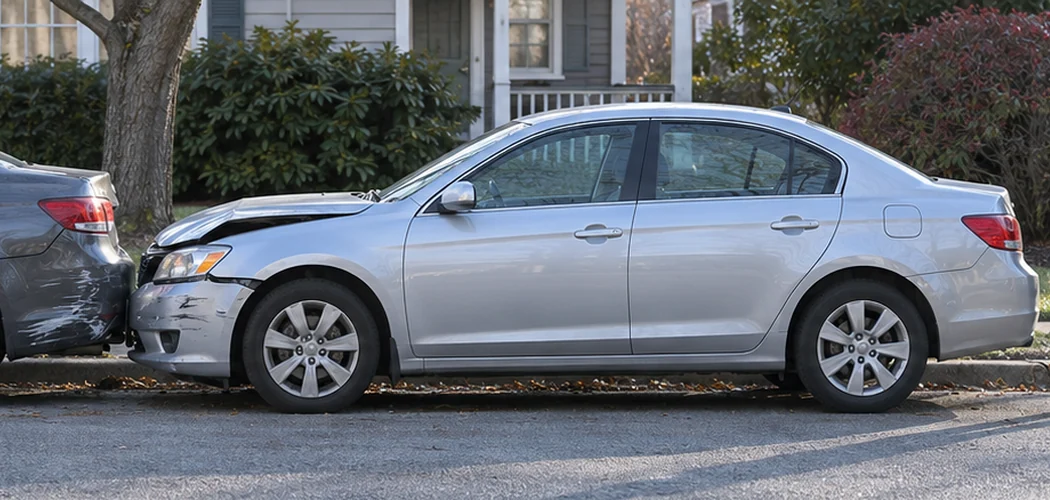
An Uber crash can leave you dealing with several things at once. You may need medical attention, a way home, and a record of a trip that ended before you reached your destination. You may also hear from Uber and an insurance adjuster on different days, each asking for details about the same event.
Start with safety. Once the immediate situation is under control, save the trip information and build a short timeline. The most useful detail may be the moment the collision happened in relation to the ride. Whether the driver was waiting for a request, heading to a pickup, or carrying a passenger can affect which insurance policy is considered. The rules and coverage also vary by state.
This guide covers U.S. rideshare trips. It explains what to save, what to ask when coverage is unclear, and when a legal consultation can help you decide how to proceed.
What to do after an Uber accident at the scene
If anyone needs emergency help or the scene is dangerous, call 911 and follow the dispatcher’s instructions. Move to a safe place if you can do so safely. Wait until you are clear of traffic before using your phone to take pictures or look up the ride.
If conditions allow, exchange names, contact information, and insurance details with the drivers involved. If a witness offers to help, ask for their contact information. Note the street, intersection, or nearby landmark. If an officer responds, ask for the agency name and incident or report number so you can request the report later.
Take photographs only when it is safe. Start with a wide view that shows the location, then photograph visible damage, vehicle plates, and relevant road markings. Save originals in a private folder. If you remember something later, add a dated note to your timeline. An estimate of the time can still be useful if you label it as approximate.
If you were injured or develop symptoms after the crash, seek appropriate medical care. Keep the paperwork from each visit and note when you first noticed the symptoms. Someone who leaves the scene with a friend can still write down the pickup time and destination. Those simple facts can help reconstruct the day when an adjuster or attorney later asks what happened.
Report the crash and save the trip record
If you booked the ride, start with the trip in your Uber account and use Uber’s accident reporting option for riders. If someone else booked it, ask them to save the trip receipt. Uber Help also offers reporting options for people who did not request the ride. Write down any case or reference number you receive.
Save the trip confirmation, receipt, and relevant messages or screenshots. A receipt can show identifying details even if the trip display changes or the fare is adjusted. Record the approximate time and location of the collision separately from the app’s pickup and drop-off times. If the ride ended early, write down where you actually got out.
Report what you saw or experienced directly. If you were a back-seat passenger and could not see the traffic signal, describe where you were sitting and what you observed. If you were the driver, preserve relevant app records and notify the relevant insurer as required by your policy. You may need to notify an insurer separately even after filing the Uber report. Keep copies of both submissions and ask which insurer or claims administrator will handle the insurance claim.
Find out which insurance may apply
Uber’s U.S. insurance overview describes how coverage can vary with the state and the driver’s app status. The chart below gives you a question to ask for each stage. The policy and facts of the crash determine the answer.
| Driver status at the time of the crash | What to ask |
|---|---|
| App offline | Which personal or commercial auto policy applies? |
| Online and waiting for a request | What platform coverage applies at this stage and which losses does it address? |
| Request accepted and heading to pickup | Which policy applies from acceptance, and how can the acceptance time be confirmed? |
| Passenger on an active trip | Who handles the claim and which coverages are being considered for the people involved? |
A rider waiting at the curb may learn that the driver crashed before reaching the pickup point. A driver in another car may know that the vehicle had an Uber sticker, but have no information about whether a request was active. In either case, give the insurer the facts you have and ask what records it can use to verify the app stage. Avoid treating a sticker, an account, or an earlier trip as proof of the driver’s status at the moment of impact.
If you were a passenger, ask who will contact you about your own claim. A message about the driver’s vehicle repairs may come from a different insurer than the one reviewing your medical expenses. Keep the reference number for each claim so your records reach the right person.
More than one policy may be involved. If another driver caused the collision, that driver’s liability insurance may be part of the claim. If the driver who caused it was uninsured or underinsured, ask whether any applicable policy includes coverage for that situation. Options can vary by state and policy. Ask for the insurer’s explanation in writing, particularly if two insurers refer you to each other.
Track losses by category
Put medical paperwork, wage records, and vehicle expenses into separate groups. Date each document as you add it. Link related items in a simple note, such as pairing a clinic invoice with its insurance statement and your payment receipt. That makes it easier to see the bill, the amount paid, and any balance that remains.
- Medical care. Keep itemized bills, discharge paperwork, receipts, and any written follow-up or work restrictions.
- Missed work. Keep pay stubs, an employer’s record of missed shifts, and any record of reduced hours. If you are self-employed, save records showing which jobs were canceled or rescheduled.
- Vehicle or property damage. Keep photos, repair estimates, towing or storage receipts, and relevant receipts for damaged personal items.
- Insurance correspondence. Save claim numbers, requests for records, written decisions, and settlement offers. Add the date and name of the person you spoke with after a call.
For a longer example of how to document bills, property damage, and missed work, see our guide to documenting crash losses.
Consider a passenger who misses two shifts and pays for several clinic visits. The work schedule shows when the shifts were due, the pay records show the change in pay, and the clinic documents show what care was received. Keep payments from different sources distinct. For example, record a health plan payment and your out-of-pocket cost in different fields so the same bill is counted once.
Respond to requests and offers in writing
Find out which company the adjuster represents and ask for the claim number. If you receive a request for a recorded statement or a broad medical authorization, ask what it covers and whether there is a deadline. Check any duties under your own policy and distinguish a request from your insurer from one sent by another party’s insurer. If you need time to review a request, ask how much time is available.
If a claim is denied, request the reason and the policy provision the insurer relied on. A disagreement about the trip stage is different from a disagreement about who caused the crash or which expense is covered. Identify the issue first, then look for the evidence that addresses it. For example, a receipt with a trip start time or a repair estimate listing newly discovered damage can answer different questions.
Before signing a settlement, read the release and compare the offer with your list of losses. Ask whether the offer covers vehicle damage, bodily injury, or both. If treatment is ongoing or wage losses are still changing, ask which amounts the offer takes into account. Keep a copy of the proposed release and any clarification you receive.
When a legal consultation may help
A legal consultation can help when the questions are about applicable law or the consequences of signing a document. For example, you may want advice if fault is disputed, two insurers deny responsibility for the same loss, serious injuries affect your ability to work, or a release would settle claims you are still trying to understand. A fatal crash raises separate questions about who can act for the estate or family.
Bring your timeline, claim numbers, written denials, and any offer or release. List what you know and what you still need to find out. Ask which deadlines matter, whether the attorney handles claims in the relevant state, and what their fee and expense terms would be. If there is an upcoming insurer deadline, mention it when you book the consultation.
Different deadlines can apply to notifying an insurer and filing a lawsuit. Some claims can also have separate notice requirements. Record any dates you are given and their sources so you can verify them. Update your claim file when a new report, bill, or offer arrives. A clear record will help you see what has been resolved and which questions still need an answer.