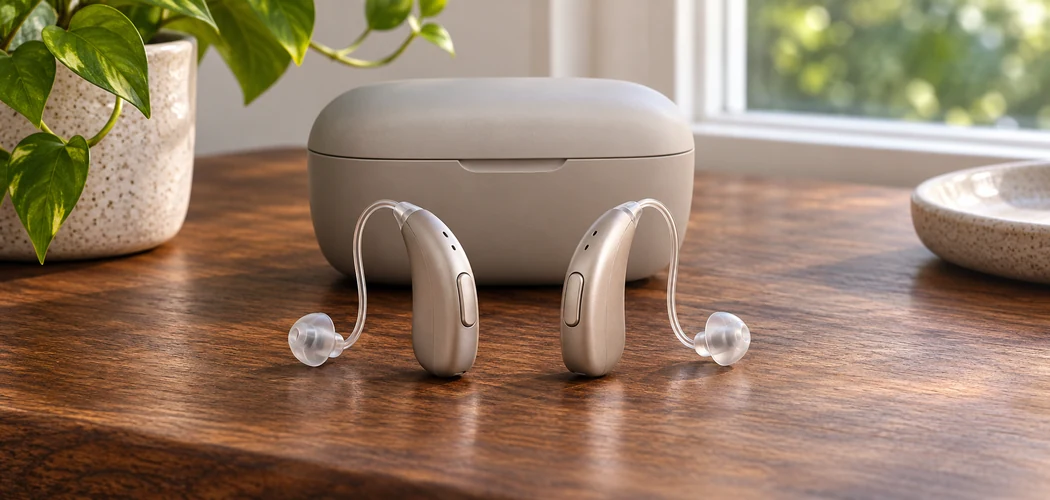
A hearing aid can look right on paper and still be frustrating to use. The controls may be too small, the casing may rub against your glasses, or the return period may end before you have tried it in the places where you struggle to hear. Start with those everyday situations. They give you a better basis for comparison than price or a long feature list.
This guide covers two decisions. The first is whether to seek a hearing evaluation or consider an over-the-counter device. The second is what to check once you are comparing suitable options. The over-the-counter rules described here apply in the United States. If you live elsewhere, check how hearing aids are regulated and supplied in your country.
How to Choose Hearing Aids Based on Your Hearing Needs
Think about what has changed. You might follow a conversation at home but miss parts of it when several people talk at once. You may turn up the television because dialogue is hard to make out, even though music and effects already sound loud. Write down two or three examples, when you first noticed them, and whether one ear seems worse. Bring those notes to an appointment if you decide to have your hearing assessed.
Some symptoms call for medical attention before you shop. If hearing drops suddenly in one or both ears, seek urgent medical care. The National Institute on Deafness and Other Communication Disorders treats sudden sensorineural hearing loss as a medical emergency. Get a medical assessment before choosing a device if you have ear pain, drainage, a noticeable difference between ears, or recurrent dizziness.
For a gradual change, a hearing evaluation can help clarify the pattern and degree of hearing loss. Ask the clinician to explain the results in everyday terms. For instance, ask how the findings relate to hearing a soft voice across a table or following conversation when several people are talking. Those examples can help shape the goals you bring to a fitting.
Compare Over-the-Counter and Prescription Options
The FDA’s guide to OTC hearing aids explains that these devices are intended for people aged 18 or older with perceived mild to moderate hearing loss. In the United States, eligible adults can buy them without a prescription. Children and people whose hearing needs fall outside that description should seek professional guidance about appropriate devices and care.
When comparing OTC products, check that the package identifies the device as an OTC hearing aid. Read the fitting instructions and check what support is available if you cannot get a comfortable fit or understand speech clearly. Some devices rely on an app for setup or adjustments. Make sure it works with your phone and that you can perform routine tasks, such as switching programs, without help.
For a professionally fitted device, ask what the clinic includes in the quoted price. An appointment can give you a chance to discuss your hearing test, compare styles, and plan adjustments once you have used the devices at home. Ask how the audiologist checks whether the fitting matches your hearing needs and what happens if you need changes during the trial. A professional assessment can still be useful if you later decide to try an eligible OTC device.
Check Fit Before Comparing Extra Features

Ask to try a style you can handle comfortably. Behind-the-ear and receiver-in-canal designs place part of the device behind the ear. In-ear models sit within the outer ear or ear canal, depending on the design. The right fit depends on your hearing needs, the shape of your ear, and how easily you can insert, remove, and clean the device.
Bring the glasses you normally wear. Put them on and take them off while wearing the hearing aids. If you use a headset, hat, or other equipment that sits around your ears, check how it fits too. A device may feel comfortable for five minutes and start to bother you after repeated adjustments or a longer conversation.
Handle the device yourself during the fitting. Can you tell left from right? Can you insert it without a mirror, or with the mirror you have at home? Try changing a battery or seating the device in its charger. If you have limited dexterity or vision, ask about larger controls, easier-to-handle batteries, or a charging base that gives clear feedback when the hearing aid is seated correctly.
Ask what to do if the aid causes soreness, whistles frequently, or feels loose during chewing or conversation. Find out whether a different tip, dome, or earmold can improve the fit and whether there is a charge for trying one. Agree on who you can contact if a problem appears after you leave.
Focus on the Listening Situations That Matter
Start with speech in quiet. Speak with someone at a comfortable distance and note whether words are clearer and whether your own voice sounds unusually loud. Then try a situation with background noise. Directional microphones and noise reduction can change what the device emphasizes, but results vary with the environment and where the speaker is sitting. Ask to try the available settings during the trial period.
Consider a restaurant example. If your main goal is following one person across a small table, write that down. When you test the device, note the seat you chose, whether music was playing, and how often you asked the person to repeat a sentence. You may discover that clarity improves in a booth but drops when a group is talking beside you. That detail is useful when you discuss adjustments.
Test any phone or television feature you expect to rely on. Ask whether the hearing aids support calls or audio streaming with the specific phone you own. Check how easy it is to move between a streamed call and normal listening. If you frequently use captions as a separate aid to following conversations, NetworkUstad’s guide to AI glasses covers live captioning as one accessibility feature to consider.
Think about how you will keep the aids powered. A rechargeable model may fit a nightly routine if you have a place to keep the charger and can take it with you when traveling. Replaceable batteries let you carry spares, but the small compartments can be difficult to manage. Ask how the device signals low charge and how streaming or frequent adjustments may affect your typical use.
Ask About Cleaning and Daily Care
Have the seller or clinician demonstrate how to clean the parts you will handle at home. Ask which pieces need regular replacement and how to tell when a wax filter is blocked. Then try the routine yourself using the tools supplied with the device. If the care steps require more time or dexterity than you have, ask about a style you can maintain more easily.
Check the manufacturer’s instructions on moisture and storage. If you spend much of the day outdoors, ask what the device’s water resistance rating covers and when it should be removed. Ask where to store it when you shower or go swimming. Learn who to call if cleaning fails to resolve a drop in sound.
Ask What the Price Includes
Compare the total cost for the device or pair, plus what you may need afterward. Ask about the charger or batteries, replacement domes and wax filters, repairs, and any appointments that cost extra. One offer may include fitting and follow-up visits. Another may charge separately for adjustments. Get a written breakdown so you can compare like services.
Read the trial and return terms before paying. Find out when the trial begins, whether the return deadline is based on receipt or purchase, and whether any fees are nonrefundable. Ask whether ear molds, accessories, or professional services can be returned separately. For an online purchase, check who covers shipping and what condition the seller requires.
Ask what happens if a device stops working. Is there a local repair option, or must you mail it away? Does the warranty cover damage, loss, or only a manufacturing defect? If the device is an important part of your daily routine, ask how long a repair typically takes and whether the seller or clinic offers a loaner. Keep the answers with your receipt.
Use the Trial Period to Make a Decision
Pick a few activities to repeat during the first part of the trial. Try a quiet conversation, a call, television dialogue, and a place with some background noise if that is one of your goals. Keep notes on what you heard and how the devices felt. Record the situations that caused trouble as well as the ones that improved.
Give yourself time to learn the controls and get used to the sound. If you have pain, persistent discomfort, or trouble using the devices, contact your provider or the seller’s support team early. Ask whether the fit or settings can be adjusted, then repeat an activity from your notes. With an OTC device, follow the setup instructions and seek a hearing evaluation if you are still struggling to hear or if your hearing changes.
Put the return deadline on your calendar. Well before it arrives, review how the aids work in your usual environments, whether you can handle and maintain them, and whether the follow-up and repair terms meet your needs. A good choice should help with the listening situations you care about and be practical enough to wear regularly.