
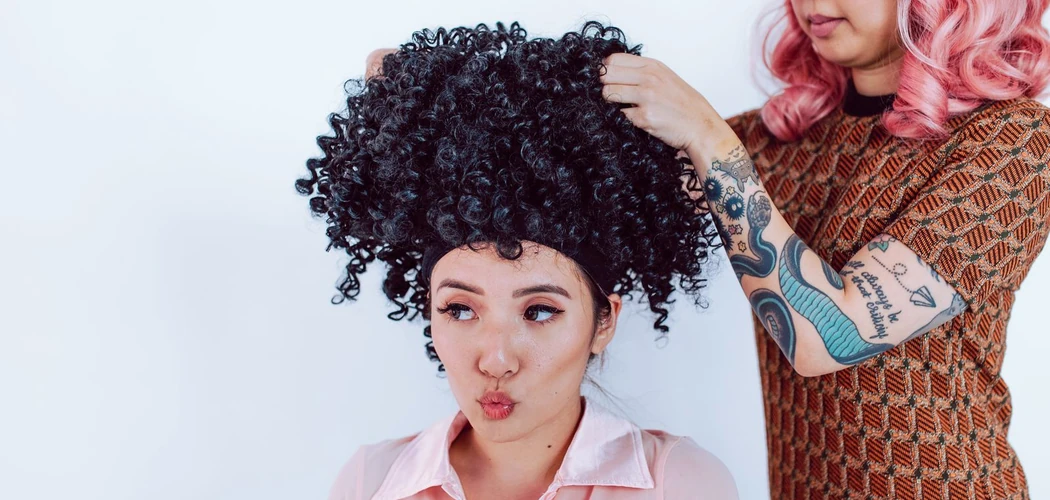
Frizz on a human hair wig can look like flyaways, rough ends or strands that no longer sit together after styling. The right response depends on the wig’s hair, construction, previous treatments and care instructions. Start by identifying the product and checking its condition before adding heat, soaking it or trying a home remedy.
A careful routine aims to reduce tangling and unnecessary handling while preserving the cap and attached hair. This guide explains how to assess the problem, use the manufacturer’s washing and styling directions, and recognize when a specialist should examine the wig. It does not promise to reverse damage or restore every wig to its original appearance.
Human hair wig care starts with identifying the wig
Find the model name, receipt or care card. Confirm whether it is entirely human hair, a blend or another fiber type. Similar-looking wigs can have different limits for heat and products. If the material is uncertain, ask the seller before treating it as human hair.
Check whether the manufacturer gives separate advice for curly textures, lace fronts, hand-tied areas or other construction details. The hair and the cap are parts of the same product, but a treatment that affects one may also affect the other. Instructions about where to apply conditioner, how to support the cap and how to dry the wig deserve attention.
Keep the care information with your styling supplies. If you ask a professional for help later, bring the model details and a list of products already used. That gives the specialist a better starting point than appearance alone.
Examine frizz before deciding on a treatment
Look at where the change occurs. Is it limited to the ends, concentrated where the hair rubs against clothing, or spread through the whole wig? Note whether it appeared after washing, heat styling, storage or use of a new product. These observations can guide the next question without establishing a diagnosis.
Separate tangles gently enough to see what is happening. Stop if the hair resists or the base starts moving with the tension. A rough patch may need a different response from a few loose strands, and forcing a tool through it can make the assessment harder.
Also inspect the cap, lace, attachment points and areas that appear thinner. If you notice tearing, significant shedding or a change in how the hair is attached, avoid treating the issue as cosmetic frizz alone. A wig specialist can assess whether cleaning, restyling, repair or replacement is appropriate.
Detangle with the method approved for your product
Follow the manufacturer’s tool and timing instructions. UniWigs’ human hair wig washing guide starts detangling at the ends. Jon Renau also advises gentle detangling before washing. Both examples support addressing tangles carefully rather than relying on washing to remove them.
Work in manageable sections and support the hair so a snag does not pull directly on its attachment. Move gradually toward the upper lengths as each section becomes easier to pass through. If the texture has a particular curl pattern, check whether finger work or another method is recommended.
Be cautious with wet hair. Jon Renau’s guidance specifies a wide-tooth comb rather than a brush for wet detangling of its human hair pieces. Use that as an example of a product-specific rule, and consult the instructions for your own wig before choosing the tool.
Wash according to the manufacturer’s directions
Prepare a clean area and gather the products and equipment specified for the wig. Read the directions before wetting it so you do not need to leave it unsupported while looking for a towel or conditioner. Keep the cap secure in the manner the manufacturer describes.
Jon Renau’s human hair care instructions use cool running water, with the hair traveling in the direction of the flow. The company warns against rubbing, swishing and soaking because those actions can loosen knots and contribute to shedding. Its routine is one reason a general instruction to soak every wig is unsuitable.
UniWigs’ published routine differs in some details, which reinforces the need to identify the product. Use the directions that apply to your wig rather than combining steps from several brands into a new treatment. If the care card and a general blog disagree, ask the manufacturer which instruction governs the model.
Keep conditioning away from areas the maker excludes
Apply the approved conditioner in the amount and areas specified. For many care routines, the lengths and ends receive attention while the cap or base is avoided. Jon Renau specifically warns that conditioner at the base can weaken knots.
More product is not automatically a better answer to roughness. Follow the stated timing and rinse directions. If the hair feels coated or responds differently afterwards, record what was used and ask for guidance before repeating the application.
Avoid deciding that one ingredient must always be included or excluded based on a broad online claim. A manufacturer may have tested a particular formula with its alternative hair products. The useful question is whether the product is appropriate for the wig and task, including its construction and any previous treatment.
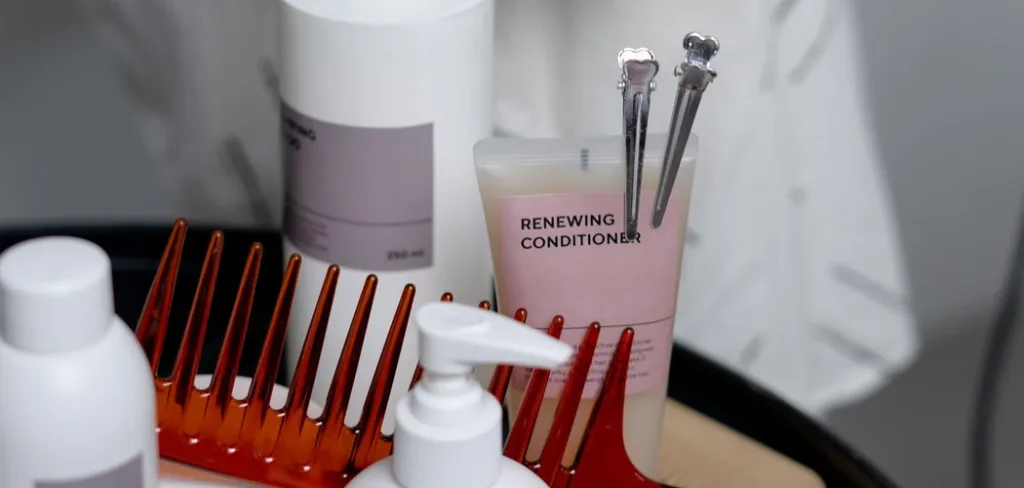
Remove water gently and follow the drying routine
Use the towel method in the care instructions. Gentle blotting or patting can remove excess water without the twisting involved in wringing. Support the wig and avoid handling it repeatedly while it is wet.
Check the recommended support for drying. A stand, a block head and a flat arrangement are different options, and the right one depends on the construction and instructions. Ensure the support is clean and suitable before placing the wig on it.
Air-drying and blow-drying should be considered in the context of the product. Jon Renau includes a prepared blow-drying routine for its human hair pieces. That does not establish a universal temperature or method for every wig. Follow the stated preparation, protection and heat guidance for your model, or ask a specialist to demonstrate.
Use heat only within the wig’s instructions
Confirm that heat styling is permitted and check the applicable limits. A tool’s label or dial does not tell you whether the selected setting is appropriate for a particular wig. Read the tool instructions as well as the wig’s directions.
Use the recommended preparation and protectant where specified. Work patiently rather than repeating passes in an effort to force rough hair smooth. If the hair changes unexpectedly, stop and reassess. A temporary improvement in appearance is not evidence that a method is suitable for repeated use.
For a wig with an uncertain history, previous coloring or significant damage, professional advice can be particularly useful. Explain the result you want and ask what is achievable before authorizing a treatment. A specialist may recommend a different style or a limited trim instead of further heat.
Skip improvised vinegar and garment-steamer treatments
A home remedy can sound gentle because its ingredients are familiar. That does not establish compatibility with a wig’s hair, color, knots, lace or other materials. An unspecified amount of vinegar in water provides little information about the actual treatment being applied.
Likewise, a garment steamer is designed around its own operating instructions and purpose. Do not assume that holding it a few inches from a wig produces a controlled, manufacturer-approved process. Check with the wig maker or a qualified specialist before using steam.
If a treatment is recommended, ask which product, concentration, application area and timing it involves. Clear instructions allow you to understand the procedure and its limits. An assurance that a method is “expert-approved” is less useful when no expert or product is identified.
Reduce handling and friction between wears
Let the wig dry as instructed before putting it away. Choose a clean storage arrangement that keeps the hair from being crushed or tangled. Follow the maker’s directions for a stand, travel packaging or other support.
Think about where tangles develop during use. If the problem repeatedly appears near a collar or another contact area, mention that when seeking advice. A different styling arrangement or a change in handling may be worth discussing.
Keep a short care record if problems recur. Note washes, products, heat use and any unexpected change. This can help you and the specialist identify what happened before the frizz became noticeable. It is especially useful when several products have been introduced close together.
Know when to stop and ask a wig specialist
Seek an assessment if detangling causes significant resistance, shedding increases, the base is damaged or repeated care leaves the hair harder to manage. Describe the problem and the steps already taken. Ask whether the proposed service addresses cleaning, styling, repair or another issue.
Confirm the price, likely outcome and any limits before leaving the wig for work. If a result cannot be guaranteed, ask how the specialist will decide when to stop. The aim is an informed treatment decision that reflects the current condition of the piece.
For related personal-care coverage, browse the NetworkUstad Lifestyle archive. Keep the model’s own care instructions as the main reference for washing and styling, and review them whenever you change products or tools.
Wig care information. Care methods depend on the wig’s fiber, construction, treatment history, and manufacturer. Follow the instructions for your exact product. Stop if handling causes damage or unusual shedding, and consult a qualified wig specialist. This guide does not report hands-on product testing.



