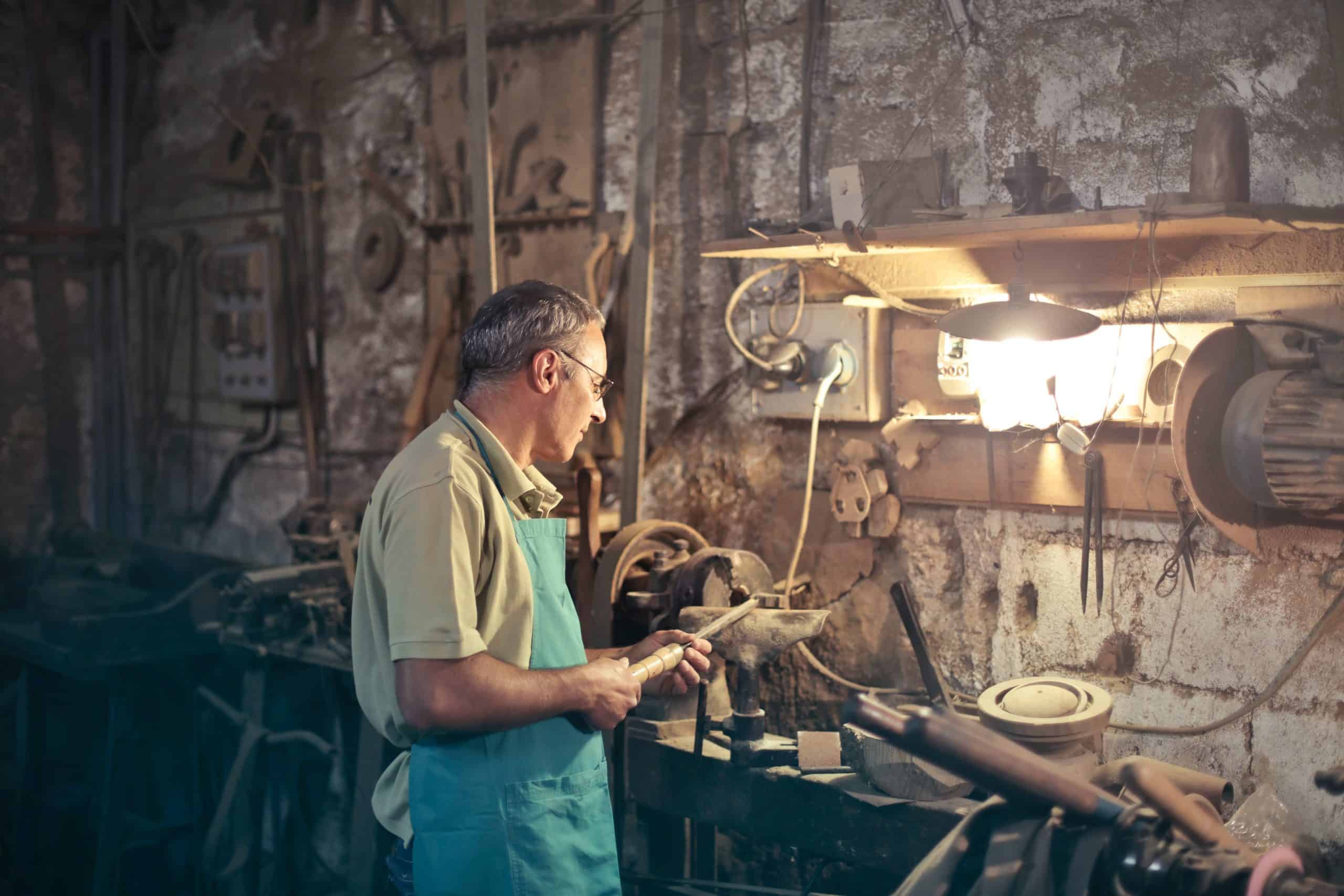
Over the ages, the manufacturing industry has seen tremendous change, with the advancement of manufacturing equipment playing a central role in this development. The employment of sophisticated machinery has completely changed how we make goods, from manual labor to today’s state-of-the-art, technology-driven operations. This extensive article will delve into the diverse types, uses, and the important role of manufacturing equipment in building our contemporary environment. It will also discuss the fascinating history and present status of manufacturing equipment.
The Beginning of Equipment Manufacturing
Equipment production has its origins in past civilizations. To help create products, early human communities used simple tools like wooden plows and stone hammers. These primitive tools represented the initial stages of mechanization.
The late 18th-century Industrial Revolution was the real turning point in the history of equipment manufacture. The vast manufacturing of textiles, powered machines, and steam engines signaled a dramatic shift from manual labor. Large-scale manufacturing replaced cottage businesses as factories proliferated. The emergence of famous devices like the steam engine and the spinning Jenny laid the groundwork for today’s manufacturing environment.
Manufacturing Equipment Types
Machining tools, including lathes, milling machines, and CNC (Computer Numerical Control) machines, are essential for precisely shaping raw materials into components. These instruments generate complex parts for the automotive and aerospace sectors using various cutting and shaping techniques.
The assembly line transformed manufacturing by making high-volume, effective production possible. This idea, created by Henry Ford, significantly lowered production costs and times, increasing the affordability and accessibility of goods for the general public.
Sturdy constructions unite materials like metals and polymers using welding tools and fabrication equipment. These devices are critical to producing long-lasting goods in the aerospace, construction, and automotive industries.
Additive manufacturing and 3D printing have become very popular in recent years. These cutting-edge methods provide flexibility, adaptability, and less waste by building things layer by layer. The healthcare, automotive, and fashion sectors have adopted this technology for quick prototyping and production.
Automation and robotics have improved accuracy and efficiency in production, revolutionizing the industry. Nowadays, robots are employed for various jobs, from welding and painting to picking and packing. These devices raise safety in manufacturing settings, lower labor costs, and increase quality.
Technological Developments in Manufacturing Tools
One of the biggest developments is the increase in accuracy and precision in manufacturing equipment. Modern machines are outfitted with sophisticated software, digital controls, and smart sensors to ensure accurate measurements and reliable production. This degree of accuracy is essential in sectors like the manufacturing of medical devices and aircraft.
With artificial intelligence (AI) integration, manufacturing equipment can now operate more efficiently and make better decisions. AI-powered equipment makes large-scale data analysis, production schedule optimization, and maintenance need prediction possible, which lowers operating expenses and downtime.
Sustainability has gained significant attention in manufacturing and applies to equipment. Manufacturers invest in eco-friendly technology, including recycling programs and energy-efficient machinery, to reduce their environmental impact. The move toward sustainability is consistent with international efforts to mitigate climate change.
Thanks to the Internet of Things (IoT), which has linked manufacturing equipment to a larger network, real-time monitoring and remote control are now possible. Manufacturers can monitor their equipment’s operation, receive maintenance alerts, and make data-driven decisions to increase productivity and decrease downtime.
Utilizing Manufacturing Equipment
Manufacturing equipment plays a vital role in the automotive industry’s production process, from stamping out body panels to assembling complex engine components. Automation has significantly increased manufacturing speed and quality.
Manufacturers in the aerospace and defense industries employ sophisticated machinery to create intricate parts like missile systems and airplane wings. Advanced robotics, 3D printing, and CNC machining all guarantee the high standards needed for these sectors.
The semiconductor and electronics sectors require modern manufacturing equipment for circuit boards, microchips, and other electronic devices. Cleanrooms and specialized machinery maintain the exact cleanliness required for semiconductor production.
Manufacturing equipment is essential for creating drugs, medical devices, and diagnostic tools in the pharmaceutical industry. Strict adherence to safety and quality standards is essential, and automated systems provide consistency and traceability.
Food processing and packaging require specialized equipment to handle raw ingredients and efficiently prepare and package food products. These devices guarantee quality, safety, and adherence to food industry standards.
Difficulties and Upcoming Patterns
There is an increasing need for qualified technicians and engineers to run, maintain, and troubleshoot more complex manufacturing equipment. Overcoming the skills gap is one of the biggest challenges in the industrial industry.
Due to connectivity and the Internet of Things, industrial machinery is susceptible to cybersecurity risks. Safeguarding confidential information and maintaining the accuracy of manufacturing procedures are ongoing concerns in the era of digital manufacturing.
Sustainable manufacturing is becoming increasingly popular. Manufacturers invest in green materials, efficient machinery, and renewable energy sources to lower their carbon footprint and comply with environmental requirements.
Consumers’ preferences are moving toward customized goods manufactured on demand. This trend calls for adaptable machinery and production techniques that can change course fast in response to market conditions.
Manufacturing equipment is equipped with AR and VR technology for remote help, maintenance, and training. These immersive technologies shorten downtime by improving training programs and making troubleshooting easier.
In summary
Manufacturing equipment has evolved, which is evidence of human creativity and ingenuity. From its simple origins as simple tools to today’s sophisticated, networked machines, manufacturing equipment has completely changed entire sectors, economies, and ways of life. Manufacturing equipment will continue to advance due to the problems of talent development, cybersecurity, sustainability, and customization going forward, keeping it at the forefront of industrial innovation. More efficiency, less influence on the environment, and an ever-widening range of applications for this amazing technology are all promised in the future.