
For two years, plenty of crypto projects had a convenient way to get people talking: reward users for posting, then watch the mentions pile up. On January 15, 2026, one post from X’s head of product, Nikita Bier, disrupted that arrangement.
X had decided it wouldn’t allow apps that paid people to post, better known as InfoFi. X revoked their API access that same day. Bier blamed a flood of “AI slop” and reply spam, and said X would improve once the bots realized nobody was paying them anymore. Anyone who’d scrolled through those replies could see his point.
The market reacted within minutes. KAITO dropped roughly 15% to about $0.58, according to CoinGecko figures cited by CoinDesk. The wider InfoFi token category slipped 11.6% within a day. Cookie DAO ended its Snaps campaigns, and Kaito stopped running Yaps. Because of that, some crypto marketing plans started to look pretty unstable.
The story didn’t end with X, either. One month later, Kaito and Polymarket introduced attention markets, letting users trade predictions regarding social buzz. After that, in July, x402 was placed under the Linux Foundation. This standard lets AI agents pay for APIs and data by themselves, and Visa, Mastercard, Google and AWS are among those backing it.
These changes touch different parts of marketing, but they raise a question anyone spending money on crypto promotion should care about: where does the next dollar go?
Consider how much is at stake. Influencer Marketing Hub valued the global influencer marketing industry at $32.55 billion in 2025. CreatorIQ found that 94% of surveyed organizations believed creator content delivered more ROI than traditional digital ads. And according to Ventureburn’s 2026 analysis, the average crypto project allocates 30% to 40% of its marketing budget to KOL and creator distribution. So X had rattled a pretty expensive corner of crypto marketing.
Current Crypto Market Reality
For a while, crypto marketing rewarded whoever could post the most. People chased points, projects collected mentions, and everyone hoped an airdrop would make the effort worthwhile. By late 2025, X was awash with low-effort content, much of it created for rewards rather than genuine interest. A crowded feed, definitely, but not really a persuasive dialogue.
X ultimately concluded that the API fees weren’t justified by the complications. According to KuCoin News, Nikita Bier said InfoFi apps had paid millions for access, but X didn’t need the money.
Yet attention itself was still valuable. In February 2026, Kaito partnered with Polymarket to allow traders to bet on the volume of online conversation generated by a brand or topic. Instead of paying people to post, Kaito measured the conversation, while traders placed bets on how popular it would become. Polymarket told Forbes that it handled more than $3 billion across its markets in January 2026, before the launch of attention markets.
Meanwhile, Coinbase’s May 2025 x402 experiment had grown into an open payment standard with 40 member organizations by July 2026, allowing software to pay for digital services.
Shift 1: X’s Paid Posting Ban & the Changing Role of Crypto Influencers
X’s January ban didn’t mean crypto projects had to stop paying creators. Crypto projects could no longer depend on platforms that rewarded large numbers of users for publishing promotional posts about them. Scrapping influencer budgets altogether would’ve thrown out useful reach along with the spam.
X’s Restrictions on Incentivized Posting
X changed its developer rules to block apps that offer tokens, points, or cash in exchange for posts. It also revoked their API access, meaning leaderboard platforms could no longer verify activity and reward participants. A decisive way to end a business model.
Disclosed sponsorships were a different story. A creator could still be paid to produce a video. What stopped working was the system rewarding thousands of accounts for posting enthusiastic replies.
How Kaito & Cookie DAO Responded to the InfoFi Ban
Kaito shut down Yaps along with its incentivized leaderboards, and then released Kaito Studio in beta on March 6, 2026. Instead of an open points race, Studio uses a curated, tier-based approach, matching brands with creators based on audience fit, data and previous performance. Its plans extend past Crypto Twitter to YouTube and TikTok.
Cookie DAO closed Snaps and stopped campaigns paying authors for content. The changes left Kaito Pro, Kaito API, Kaito Launchpad and the proposed Kaito Markets untouched, allowing the company to continue its data-related services despite ending its incentivized posting programs.
The Shift Towards Performance-based KOL Marketing

A pile of posts can look impressive on a campaign report. But did anyone connect a wallet or use the product? That’s the only thing that actually matters.
Influence360’s 2026 survey of 143 Web3 KOLs found that more than half earned $1,000 to $5,000 per collaboration. But still, only 35% said every project they’d worked with had paid them. When you’re trying to win over seasoned creators, dependable payments and clear briefs are not minor details.
Choosing fewer creators whose audiences fit, agreeing on deliverables and disclosures, then tracking wallet connections and on-chain activity makes more sense than chasing mention counts. RZLT’s 2026 influencer marketing guide places greater emphasis on tracking wallet connections and linking campaign activity to actual results. And spreading campaigns across YouTube, TikTok, Telegram and newsletters reduces dependence on X.
Finding the right creators and measuring how effectively their campaigns convert audiences into customers takes considerable time and effort. Founders without a dedicated team have options worth considering: Blockchain App Factory offers a vetted creator network and wallet-level reporting, while INORU handles KOL outreach, briefs and campaign tracking. Both can take care of the more demanding aspects of campaign management, allowing teams to stay focused on achieving their marketing goals.
Shift 2: How Attention Markets Are Changing Crypto Brand Visibility
X had cut off rewards for posting, but the attention wasn’t going anywhere. One month later, Kaito discovered a new way to use its data: helping people guess what the internet would talk about next.
Kaito and Polymarket revealed their plans to turn online attention into prediction markets on February 10, 2026. Kaito measures mindshare (how much conversation a topic attracts) and sentiment (whether people are speaking positively or negatively) using data from X, TikTok, Instagram and YouTube. Polymarket turns those readings into prediction contracts. Unlike the old InfoFi campaigns, Kaito isn’t paying anyone to post, leaving the reward ban out of it.
The Numbers Behind the Attention Market Boom
The first experiments were lively. Forbes reported that a pilot market predicting Polymarket’s own mindshare by March 31, 2026 attracted more than $1.3 million in trading volume. Another, focused on Crypto Twitter mindshare, recorded about $90,000.
According to Crypto Briefing, approximately $5.4 million had been traded across 152 attention contracts by early June, though bots were raising concerns. Polymarket had intended to expand from dozens of markets in March to hundreds by year-end, and by early October its mindshare category displayed around 500 live listings. Kaito’s data was also feeding Noise, where traders could take long or short positions on mindshare and sentiment.
The Growing Marketing Value of Social Mindshare
For years, mindshare was something marketing teams checked privately. Now strangers can put money on whether your project gets talked about more next week. Such exposure can put a brand in front of people who have never tried what it sells.
Still, it comes with an awkward side. Crypto Briefing called attention to a memecoin influencer whose posting drew more than $50,000 in attention-market volume. Give someone a financial reason to make a topic trend, and some will try to manufacture the conversation. Hardly the kind of publicity a serious project wants.
Tracking Genuine Interest in Attention-Driven Markets
In the eyes of marketers, mindshare is most useful when treated as a lagging indicator of how well a narrative fits, rather than as a metric to pump up. Check sentiment before celebrating a jump in mentions; a furious audience can produce impressive numbers too.
Compare your project with others in its own category, because leading AI-agent conversations tell you more than a vague Crypto Twitter ranking. And keep an eye on coordinated posting around your token or brand, especially if traders can bet on its attention.
Shift 3: The Growing Role of AI Agents in Crypto Payments
The third change in crypto marketing is easier to miss because the sums are still small. But the idea behind it is pretty interesting: software can now pay for services without someone approving each purchase. The bigger question is whether those tiny payments can become a dependable way for businesses to sell digital services.
Coinbase introduced x402 in May 2025, putting the old HTTP 402 “Payment Required” code to work. When software requests an API or computing service, the provider can request payment within that same exchange, often in stablecoins. The x402 Foundation officially launched under the Linux Foundation on July 14, 2026, bringing together 40 member organizations, including Google, AWS, Visa, Mastercard, American Express, Stripe, Circle, Cloudflare and Shopify.
The Numbers Behind x402’s Growing Adoption
In July, CoinDesk reported roughly 75 million x402 payments totalling $24 million over 30 days. That’s an average of about 32 cents per transaction, typical of payments for small data requests. Chainalysis added another eye-catching figure on October 14: Base had recorded over 138 million x402 transactions in total. More than 87% of these payments ranged from one-hundredth of a cent to ten cents, with model inference accounting for one of the largest activity categories.
But who’s actually paying? In September, TRM Labs found that most x402 activity wasn’t identifiable as genuine AI-agent commerce. It estimated agents were moving only about $5,000 to $11,000 a month. Artemis figures reported by CryptoSlate were less encouraging: adjusted payment volume had dropped around 77%, from $5.15 million in November 2025 to $1.19 million in May 2026, even as transaction counts recovered.
Some early activity came from PING, a memecoin that encouraged users to make repeated x402 transactions. Not every transaction processed through x402 comes from an AI agent making an independent purchase. Treating all that activity as genuine agent-driven commerce might grab attention, but it gives a misleading picture of actual market adoption.
The Growing Industry Support Behind x402 Payments
Still, major payment companies are experimenting. Mastercard introduced early developer access to its x402-based Agent Pay for Machines service on October 20, 2026. The offering included buyer and seller APIs, development tools, a testing sandbox and technical documentation. Before the announcement, Mastercard had conducted end-to-end trials alongside Cloudflare, Ant International, AIsa, Base, BVNK and Coinbase. Although the service had yet to become commercially available, Mastercard’s commitment to developer testing indicated serious interest in the technology.
How Agent Payments Could Affect Crypto Marketing
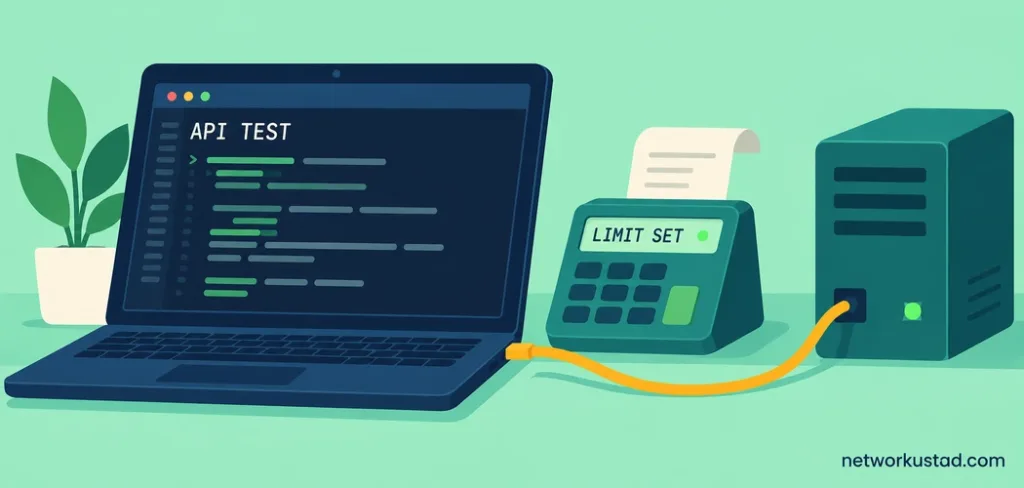
When an AI agent compares your API with competing services, clear pricing and payment information can influence its choice. Even the most enthusiastic influencer campaigns won’t help much if the agent can’t find the details it needs.
For companies selling data, inference, APIs or developer tools, clear per-call pricing and listings in agent-accessible directories could matter as much as a landing page. Documentation should answer practical questions about latency, uptime, supported chains and settlement assets. Product pages also need facts that Google AI Overviews and ChatGPT can interpret accurately.
And please, don’t advertise every x402 transaction as an AI customer. TRM Labs and Chainalysis are already examining the difference. Potential customers and investors can do the same.
How Crypto Marketing Strategies Are Evolving for 2027
Planning a crypto marketing budget for 2027 requires a little more thought than simply spending more on promotion. X’s crackdown on incentivized posting made it clear that even popular crypto marketing tactics can lose their appeal overnight. Meanwhile, attention markets and AI-powered payments are opening up different possibilities, leaving crypto projects with an interesting decision: how should they spend their marketing budgets to reach people who are genuinely interested and encourage them to become customers? Five priorities are worth considering.
1. Spend on Creators Who Deliver Results
Creator partnerships can earn trust, but paid replies are a poor substitute for genuine interest. Choose creators whose audiences fit, agree on deliverables, and measure wallet connections and on-chain activity.
2. Keep Your Audience Within Reach
X proved platform rules can change overnight. Building an audience through email newsletters, Telegram and Discord groups, and a blog that performs well in search helps crypto projects maintain direct connections with their communities, even when their visibility on social platforms declines.
3. Look Beyond Mindshare Counts
Attention markets make online buzz more visible, but a spike isn’t automatically good news. Tools like Kaito Pro can help track mentions and sentiment together, particularly when activity rises unexpectedly.
4. Help AI Tools Understand Your Business
Clear FAQs, original data, author credentials and schema markup make product information easier for AI search tools to interpret. They also help people decide whether your service meets their needs.
5. Experiment With Agent Payments
If customers could buy your service per request, testing an x402 endpoint may be worthwhile. Early participation could help your offering appear in agent-facing directories before the space becomes crowded.
Preparing for the Next Shift in Crypto Marketing
The interesting thing about these changes is how little control crypto projects have over them. X can change its policies overnight, traders can turn a brand’s popularity into a bet, and AI payments could take time to become a dependable customer channel. Betting an entire marketing plan on any one of these developments is a risky way to spend money.
So, heading into 2027, founders have a useful question to ask before approving another campaign: what would remain if the attention disappeared tomorrow? Perhaps customers who return, a community that stays interested, or people who understand the product well enough to recommend it. Those are results worth investing in. Crypto will keep changing how attention is bought and measured. A business shouldn’t have to start over every time it does.
This article provides general information about crypto marketing and does not constitute financial, investment or legal advice. References to projects, platforms, agencies or services are not endorsements. Cryptocurrency markets involve significant risks, and marketing claims, audience metrics and forecasts should be independently verified. Platform policies and advertising requirements vary by jurisdiction and may change. Any discussion of 2027 reflects expectations rather than guaranteed outcomes. Verify applicable requirements and seek qualified professional advice before launching a campaign or making financial decisions.